
Fertilization
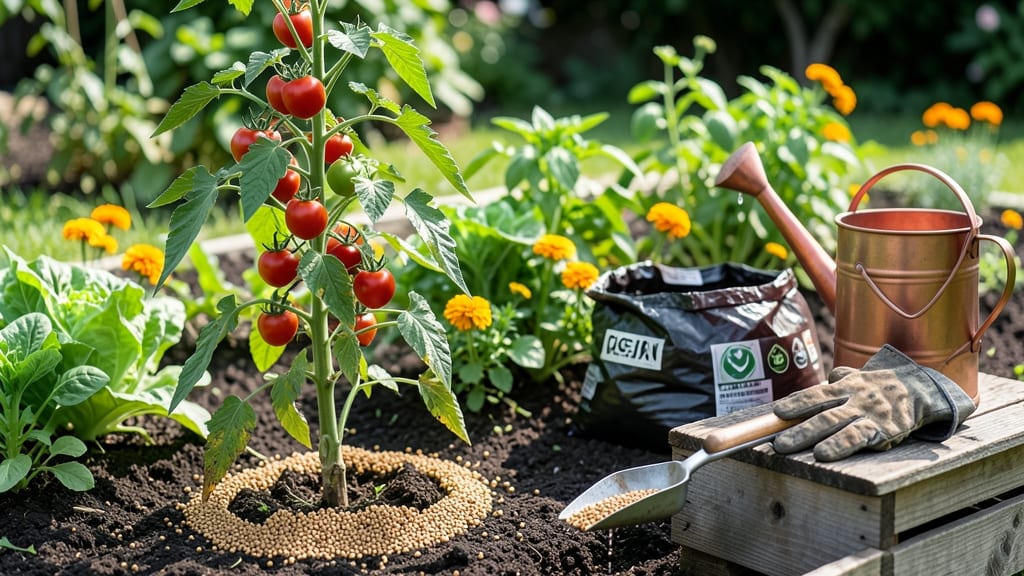
Fertilizing your garden at the right times can transform stunted plants into thriving green giants 🌱—but timing it wrong wastes money and stresses your soil.
Timing your garden fertilization wrong can mean wasted money, stunted growth, or even plant damage—but getting it right unlocks explosive blooms, bountiful harvests, and lush foliage. The secret? Fertilizing at the exact moments when plants crave nutrients most.
Most gardeners overlook the four critical windows for feeding: early spring to wake up roots, pre-planting for a nutrient boost, mid-season to fuel growth, and late summer to prepare for winter. Missing these means your plants are left scrambling for food when they need it most.
In this guide, I’ll break down the science-backed schedule for vegetables, flowers, and lawns—plus how to spot when your Garden 🌱 is actually begging for fertilizer (hint: it’s not just about the calendar).
4 Critical times to fertilize your garden for maximum growth
Fertilizing your garden isn't just about throwing down nutrients—it's about feeding plants at the perfect moments when they'll use them most efficiently. Think of it like timing a meal: you wouldn't serve a steak to a baby, and you wouldn't feed a teenager a snack before bedtime.
Plants have their own nutrient hunger cycles, and missing these windows means missed opportunities for vigorous growth, abundant blooms, or bountiful harvests.
Science shows that plants absorb nutrients most actively during four key phases: when they're waking up from dormancy, preparing to grow, pushing through rapid expansion, and recovering before winter.
Each of these stages requires a different approach—whether it's a gentle wake-up call with compost or a power boost with balanced fertilizer. For example, tomatoes need extra phosphorus when flowering, while lawns thrive with nitrogen-rich feeds in spring.
Let's break down these four critical times and how to fertilize for each.
🌱 4 Critical Fertilizing Times for Peak Growth
-
🌱 Early Spring (March-April)
Soil prep: Add compost or slow-release fertilizer to wake up roots after winter dormancy. Ideal for perennials and cool-season crops like lettuce. -
🌿 Pre-Planting (April-May)
Boost nutrient levels before seeding or transplanting. Use a balanced 10-10-10 fertilizer for most plants, or phosphorus-heavy for root crops. -
☀️ Mid-Season (June-August)
Feed flowering plants (like tomatoes or roses) with phosphorus-rich fertilizer. Vegetables need potassium for fruit development—look for a 5-10-10 blend. -
🍂 Late Season (September-October)
Light feeding for fall crops (kale, spinach) or slow-release fertilizer for lawns. Avoid over-fertilizing—plants need to harden off for winter.
Let's start with the most critical time: early spring. This is when your garden is emerging from winter dormancy, and plants are hungry for nutrients to rebuild energy stores. I always begin by amending the soil with compost—this improves texture and adds organic matter that slowly releases nutrients.
For vegetable gardens, I mix in a balanced fertilizer (like 10-10-10) to give plants a head start. Lawns, on the other hand, benefit from a high-nitrogen feed in early spring to encourage rapid green-up.
Timing is everything here. In USDA Zone 6a (like where I garden), I aim to fertilize by mid-April, just as the soil warms to 50°F (10°C). You can test soil temperature with a simple soil thermometer—if it's below this, nutrients won't activate properly.
For cool-season crops like broccoli or peas, I might add a phosphorus boost to encourage strong root development before the heat of summer arrives.
The second critical window is pre-planting, typically 2-4 weeks before you sow seeds or transplant seedlings. This is where I get specific about plant needs.
For example, tomatoes and peppers need a phosphorus-heavy fertilizer (like 5-10-10) to support flowering, while leafy greens like spinach do better with a nitrogen-rich feed (like 12-12-12). I also recommend side-dressing with compost or manure at this stage to provide a steady nutrient supply.
Pro tip: If you're planting container gardens, use a water-soluble fertilizer mixed into the planting hole. This gives roots immediate access to nutrients as they establish. For in-ground planting, I like to till in compost first, then top-dress with granular fertilizer and water it in thoroughly.
This ensures nutrients are available at the root zone where new growth is happening.
Mid-season fertilization is where many gardeners make mistakes—either overdoing it or skipping it entirely. This is the growth surge phase, when plants are actively producing leaves, flowers, or fruit. I typically fertilize again in late June or early July, using a lower-nitrogen, higher-phosphorus blend for fruiting plants.
For example, my tomato plants get a 5-10-10 feed when they start flowering, while herbs like basil benefit from a light nitrogen boost to keep their leaves lush.
Watch for visual cues like yellowing leaves (nitrogen deficiency) or weak stems (potassium deficiency). If your plants look stressed, a balanced liquid fertilizer can give them a quick pick-me-up.
Just be careful not to overdo it—too much fertilizer can lead to burnt roots or excessive foliage at the expense of fruit. I always follow the "less is more" rule during this phase.
The final critical time is late season, typically September through early October. This isn't about pushing new growth—it's about helping plants recover and store nutrients for next year.
For fall crops like kale or carrots, I might apply a light feed of compost or a low-nitrogen fertilizer to encourage slow, steady growth. For lawns, a slow-release fall fertilizer helps roots strengthen before winter.
For perennials and shrubs, I focus on soil health rather than quick nutrients. I'll top-dress with compost or aged manure and mulch heavily to protect roots. Avoid synthetic fertilizers at this stage—they can delay dormancy and make plants more vulnerable to frost damage.
Instead, think of late-season feeding as a gentle wind-down to prepare your garden for winter.
Remember, these timings are general guidelines—your local climate and soil type will influence the exact schedule. Always test your soil first (a simple home pH test kit works great) to understand what nutrients your garden truly needs.
And if you're in a hotter climate, you might need to fertilize more frequently due to faster nutrient depletion.
By fertilizing at these four critical times, you
How to tell if your plants Really Need Fertilizer (Signs to Watch)
Not all plants need fertilizer—and some definitely don’t. Over-fertilizing can burn roots, stunt growth, or even kill your plants, while under-fertilizing leaves them weak and nutrient-starved. The key is learning to read your plants' visual and tactile cues before reaching for that fertilizer bag.
Start by checking for leaf discoloration, stunted growth, or weak stems, which are classic red flags.
For example, yellowing leaves often signal nitrogen deficiency, while purple stems or slow growth may mean phosphorus is lacking. But here’s the catch: these signs can also mimic other issues like overwatering or pests.
That’s why I always recommend a simple soil test before fertilizing—it’s the only way to know for sure what your plants really need.
Fertilize When...
✅ Signs of Nutrient Deficiency
- Yellow leaves (nitrogen)
- Purple stems (phosphorus)
- Brown leaf edges (potassium)
- Slow growth (general deficiency)
- Small leaves (magnesium)
❌ Signs of Over-Fertilization
- Burnt leaf edges (too much salt)
- Wilting despite water (root damage)
- White crust on soil (excess fertilizer)
- Excessive leaf growth (no flowers/fruit)
- Stunted roots (chemical burn)
Testing your soil at home is easier than you think—and it saves money. Grab a soil pH test kit (available for under $10) or use a DIY method like the vinegar and baking soda test.
For nutrients, look for dark, crumbly soil with earthworms—this usually means your soil is already fertile. If it’s sandy or clay-heavy, your plants will likely benefit from a balanced fertilizer like 10-10-10.
Another trick? Observe your plants' growth patterns. Healthy plants grow steadily, while those lacking nutrients may show leaf curling, spotted leaves, or weak stems that snap easily.
Compare your plants to their healthy counterparts—if yours look pale or leggy, it’s time to test and fertilize only if needed.
Season matters too. In spring and summer, plants grow rapidly and need more nutrients, while in fall and winter, they often go dormant and don’t require feeding.
For example, tomatoes and peppers thrive with fertilizer every 4-6 weeks during their growing season, but perennials like lavender or rosemary rarely need extra nutrients once established.
If you’re still unsure, start with a light application of organic fertilizer (like compost or fish emulsion) and monitor your plants for 2-3 weeks. If they perk up, you’ve hit the mark. If not, hold off—your plants might just need better water, sunlight, or soil drainage instead.