
Planting
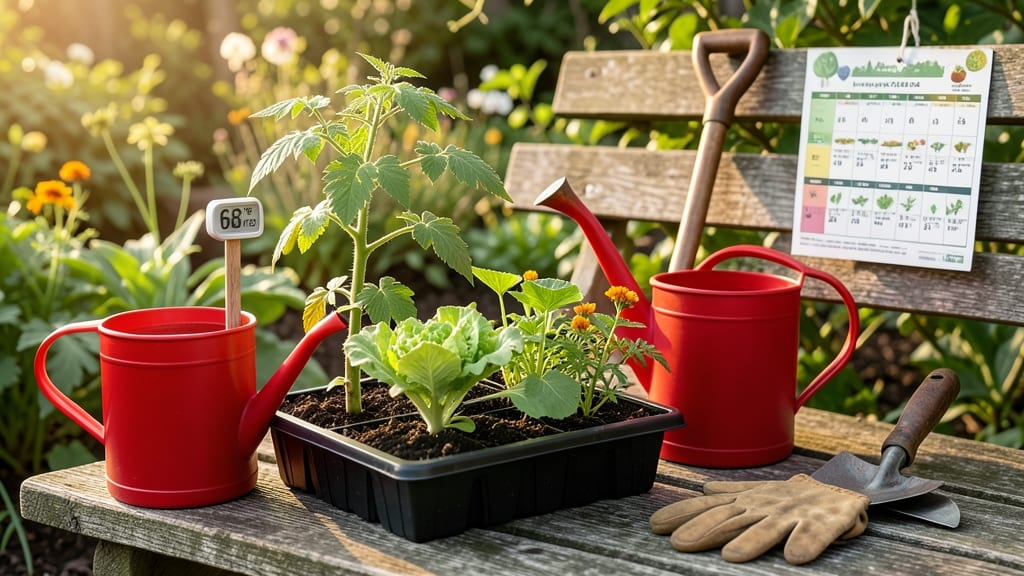
Planting your garden in Maryland should happen between late March and early May for cool-season crops, with warm-season favorites waiting until after the last frost—usually mid-April to early June.
Maryland’s Zone 7B climate offers a unique gardening window—plant too early and risk frost damage, too late and miss peak harvests. Timing is everything for thriving vegetables, flowers, and herbs, but when exactly should you start?
If you’ve ever watched seedlings wilt overnight or struggled with stunted growth, you know how critical the right timing is. Maryland’s frost dates vary by region, and even a week off can mean the difference between a bountiful harvest and wasted effort.
Here, I’ll break down the fastest planting schedule for Maryland’s Zone 7B, including frost-ready crops, soil prep tips, and how to adjust for early or late starts—so you can grow with confidence.
Maryland Zone 7B planting deadlines by season: what to plant when
Maryland’s Zone 7B climate creates a 150- to 200-day growing season, but timing your plantings correctly ensures your garden thrives. The average last frost date in spring is around April 15, while the first frost typically arrives October 31, though these dates can shift yearly.
Understanding these windows helps you avoid frost damage to tender plants while maximizing harvests.
Cool-season crops like kale and spinach should start in early spring or late summer for fall harvests. Meanwhile, tomatoes and peppers need warmer soil—wait until after May 15—to establish strong roots. Let’s break down the best planting times for each season to keep your garden productive all year.
📌 Key Tip: Always check your local frost dates (they vary slightly by county) and monitor soil temperatures—most seeds need soil at 60°F+ to germinate properly.
| Season | Plant Type | Best Planting Window | Soil Temp Requirement | Notes |
|---|---|---|---|---|
| Spring | Cool-Season Veggies | March 15 – April 15 | 40–50°F | Lettuce, peas, spinach |
| Spring | Warm-Season Starts (Indoor) | February 1 – March 15 | 65–75°F (indoors) | Tomatoes, peppers, eggplant |
| Spring | Warm-Season Direct Sow | May 15 – June 1 | 60°F+ | Beans, cucumbers, squash |
| Summer | Succession Planting | June – August | 60°F+ | Radishes, bush beans, carrots |
| Fall | Cool-Season Veggies | August 1 – September 15 | 50–60°F | Broccoli, cabbage, kale |
| Fall | Perennials & Bulbs | September – October | 50–65°F | Daylilies, tulips, daffodils |
| Year-Round | Herbs | March – September | 55–75°F | Basil, parsley, chives |
🌱 Pro Tip: Use row covers to extend spring/fall planting by 2–4 weeks.
For spring planting, focus on cool-season crops like spinach and peas in March, as they tolerate light frosts. Start warm-season vegetables indoors in February (like tomatoes and peppers) and transplant them outdoors after the last frost.
If you miss this window, opt for slow-bolting varieties like ‘Early Girl’ tomatoes for a faster harvest.
In summer, prioritize succession planting every 2–3 weeks to keep your garden productive. Beans, cucumbers, and zucchini thrive in the heat, but ensure they get consistent water to prevent blossom-end rot in tomatoes. Herbs like basil also love the warmth but may bolt if stressed—harvest leaves regularly to encourage bushier growth.
Fall is your second chance for cool-season crops. Plant broccoli, cabbage, and kale by mid-August for a harvest before frost. Use black plastic mulch to warm soil early in the season or straw mulch to protect plants from early cold snaps. Perennials like
How to adjust your planting schedule for Maryland’s microclimates and weather quirks
Maryland’s diverse geography means your Baltimore urban garden might face different frost risks than a Western Maryland farm. Coastal areas like Annapolis often see milder springs, while inland zones like Frederick can experience sudden cold snaps. Understanding these local microclimates lets you fine-tune planting for maximum success.
Even within Zone 7B, your yard’s specific conditions matter. A south-facing slope warms up faster than a north-facing shady spot, and concrete-heavy urban soil holds heat differently than rural loam. These variations can shift your ideal planting window by 2-3 weeks—sometimes earlier, sometimes later.
- 1 Urban vs. Rural: Start indoor seedlings 2 weeks earlier in cities (concrete retains heat) vs. 3 weeks earlier in rural areas (cooler nights).
- 2 Coastal Areas: Plant warm-season crops 10-14 days earlier (Annapolis, Chesapeake Bay) due to delayed frost.
- 3 Inland Valleys: Use row covers to extend spring planting by 3-4 weeks (e.g., Frederick, Hagerstown).
- 4 Cold Frames: Start cool-season crops 4-6 weeks earlier in protected beds (works for spinach, kale, lettuce).
- 5 Soil Prep: Test soil pH and amend with compost 4-6 weeks before planting to ensure 6.0-7.0 pH for most veggies.
For urban gardeners, I recommend monitoring local weather stations like NOAA’s Baltimore data—their last frost averages often differ from rural zones. In my Baltimore backyard, I’ve found that tomato seedlings thrive when transplanted after May 15th, even if the official last frost is April 15th.
Extend your growing season with low tunnels or cold frames. These simple structures can add 2-4 weeks to your fall harvest. I use a hoop house to grow baby carrots and radishes through October, even when nighttime temps drop below 40°F.
Just ensure proper ventilation to prevent fungal diseases.
Prepare your seedlings and soil ahead of time by creating a planting timeline. Start cool-season crops indoors (like broccoli or cabbage) in early March, while warm-season plants (tomatoes, peppers) can wait until late March for indoor starts.
For direct sowing, mark your calendar for 2 weeks after your area’s last frost date.
Don’t forget to account for Maryland’s unpredictable weather. Even in Zone 7B, a late spring freeze can happen—keep frost cloth handy for delicate seedlings.
My herb garden suffered last year when a May frost hit unexpected; now I always have row covers ready for basil and parsley until Memorial Day.