
Planting
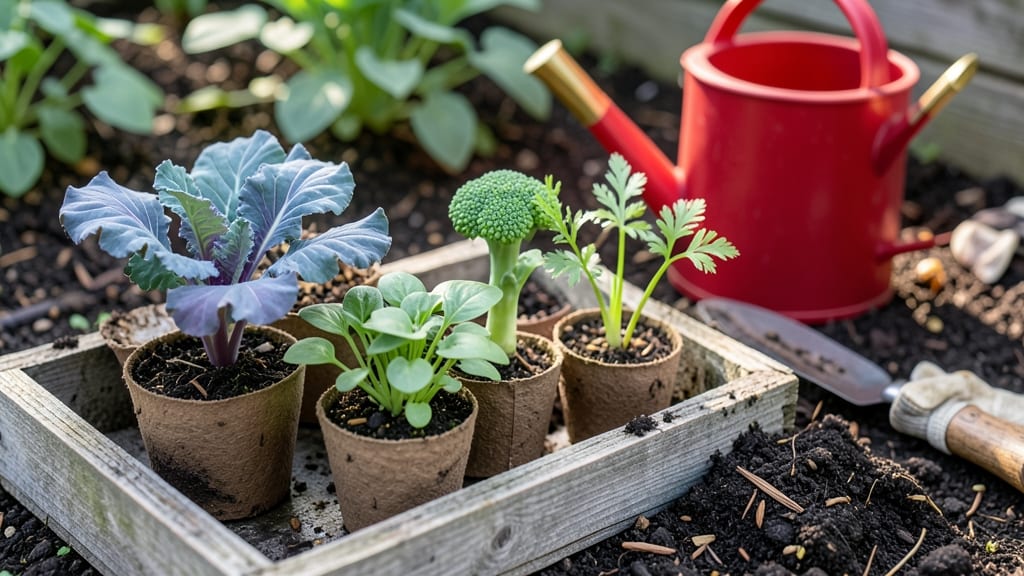
Planting a fall garden in Texas means beating the heat and frost with precision timing—start 6 to 8 weeks before your first frost, or you’ll miss the sweet spot for harvests before winter.
Texas gardeners know the heat of summer can be brutal—but fall planting offers a second chance to grow thriving 🥬 vegetables, herbs, and flowers before winter frost. Timing is everything, and missing the window by even a few weeks could mean stunted growth or total crop failure.
In USDA Zones 8a-10b, your first frost can arrive as early as November in North Texas or not at all in South Texas.
That means late August to early October is your prime window for cool-season crops like kale, broccoli, and collards—if you plant them too soon, they’ll bolt in the heat, and too late, they won’t mature before frost.
Below, I break down the exact dates for each Texas region, the best crops for your zone, and how to prep your soil so your fall garden thrives—no guesswork, just zero-frost success.
Texas fall planting calendar: exact dates by USDA Zone and crop type
Fall gardening in Texas rewards patience with bountiful harvests, but knowing the exact planting windows for your USDA zone is critical. Unlike northern states, Texas's longer growing seasons and variable frost dates demand precise timing—especially when transitioning from summer heat to cooler weather.
In Zone 8a (North Texas), your last frost might hit by January 10, while Zone 10a (South Texas) rarely sees frost at all. This means your cool-season crops must be in the ground 6-8 weeks before frost to mature properly.
For most Texas gardeners, the ideal fall planting window spans from mid-August to early October, but exact dates shift depending on whether you're in East Texas (humid, slower drying) or West Texas (drier, faster cooling).
East Texas gardeners should start 2-3 weeks earlier than their West Texas counterparts to account for lingering summer heat.
Below, I’ve broken down the critical planting dates by crop type and zone, so you can avoid the common mistake of planting too late and watching your broccoli bolt or your spinach turn bitter.
🌱
| Crop Type | USDA Zones | Planting Window | Days to Harvest | Notes |
|---|---|---|---|---|
| Leafy Greens (Lettuce, Spinach, Kale) | 8a-10a | Aug 15 - Sep 20 (Zone 8a) Sep 1 - Oct 10 (Zone 9a-10a) |
30-50 days | Direct sow; thin seedlings. Use heat-tolerant varieties like 'Black Seeded Simpson' lettuce. |
| Brassicas (Broccoli, Cabbage, Cauliflower) | 8a-9a | Aug 1 - Sep 15 (Zone 8a) Aug 15 - Oct 1 (Zone 9a) |
60-90 days | Start seeds indoors 4-6 weeks before transplanting. Texas Bluewave broccoli handles heat better. |
| Root Crops (Carrots, Beets, Radishes) | 8a-10a | Sep 1 - Oct 15 (all zones) | 25-70 days | Loosen soil to prevent forked carrots. Radishes mature fastest—great for quick harvests. |
| Herbs (Cilantro, Dill, Parsley) | 8a-10a | Aug 20 - Sep 30 (all zones) | 30-60 days | Cilantro bolts fast—sow every 2 weeks for continuous harvests. Dill attracts beneficial insects. |
| Flowers (Pansies, Calendula, Snapdragons) | 8a-10a | Sep 1 - Oct 15 (all zones) | 45-60 days | Pansies thrive in cool weather and add color to winter beds. Deadhead spent blooms. |
| Garlic (Plant for Spring Harvest) | 8a-10a | Oct 1 - Nov 1 (all zones) | 90-120 days (harvest next spring) | Choose hardneck varieties like 'Silverskin'. Plant cloves 2 inches deep. |
Let’s start with cool-season vegetables, which are the backbone of any Texas fall garden. Leafy greens like lettuce and spinach are the easiest to grow but require consistent moisture to avoid bolting.
In Zone 8a, I recommend sowing butterhead lettuce by August 15—this gives you enough time to harvest before the first frost, typically around November 15.
If you’re in Zone 10a, you can push your planting window later, up to October 10, since frost is rare. Kale and collard greens are even more forgiving; they’ll sweeten after a light frost, making them perfect for East Texas where cooler nights arrive earlier.
For brassicas like broccoli and cabbage, timing is everything. These crops need 60-90 days to mature, so in Zone 8a, I start seeds indoors in early August and transplant seedlings by September 1. In West Texas (Zone 9a-10a), you can wait until
Critical mistakes that ruin Texas fall gardens (and how to avoid them)
Planting a fall garden in Texas feels like a second chance after summer’s scorching heat—but timing mistakes can turn that chance into a disaster. One wrong move, like planting too early or ignoring clay-heavy soil, and your greens could bolt, your roots rot, or your herbs wilt before harvest.
I’ve seen even experienced gardeners fall into these traps, so let’s fix them before your fall garden becomes a fall-out.
First, planting too early is the #1 killer of Texas fall gardens. August heat might feel bearable, but 90-degree soil can shock seedlings. I’ve lost entire trays of basil and kale because the roots couldn’t handle the residual heat.
Wait until September 1st in most of Texas—when soil temps drop below 80°F—before sowing direct-seeded crops like lettuce or spinach.
Then there’s the clay soil curse. Texas soil is famous for its heavy clay, which bakes hard as bricks in summer and turns to mud in fall. If you don’t amend it first, your plants will suffocate.
I mix in compost and coarse sand (50/50 ratio) to break up compaction. A simple soil test ($20 at local nurseries) will tell you if your pH is off—aim for 6.0-7.0 for most fall crops.
⚠️ WARNING: Planting Too Late = Frosty Failures ⚠️
✅ Fix: Use a frost calendar (check your USDA Zone—most of Texas is 8a-10a). For Zone 8a, aim for September 1-15 for broccoli; Zone 9a can stretch to October 1. Slow-bolting varieties like ‘Winterbor’ kale give you a 10-day buffer before frost.
🔍 Warning Signs:
- Yellowing leaves on brassicas = frost stress (not nutrient deficiency).
- Stunted growth after 60°F nights = plant’s metabolism slows.
- White frost crystals on soil = harvest within 24 hours or lose crops.
Another silent killer? Overwatering in fall. Cool nights and high humidity trick gardeners into thinking plants need more H₂O—but soggy soil leads to root rot and fungal diseases like downy mildew. I water my fall lettuce deeply every 3 days (1-2 inches total), then let the top inch dry out before repeating. Drip irrigation keeps leaves dry, reducing mildew risks.
Don’t overlook pest vulnerabilities either. Fall’s mild temps lure aphids and cabbage worms to your garden. I’ve lost half my collard greens to ravenous caterpillars because I ignored the tiny eggs on undersides of leaves. Neem oil (applied weekly) and row covers are my go-tos for organic defense.
Check plants every 3 days—early intervention saves your harvest.
Finally, skipping mulch is a rookie mistake. A 2-inch layer of straw or shredded leaves retains moisture, regulates soil temp, and smothers weeds. I mulch after transplanting but before rain—wet mulch clumps and repels water. For root crops like carrots, keep mulch thin (1 inch) to avoid deformities.
Fall gardens in Texas reward patience and prep. Avoid these mistakes, and you’ll enjoy crisp greens, sweet potatoes, and herbs long after your neighbors’ gardens go dormant. Start with soil prep, precise timing, and daily checks—your fall harvest depends on it! 🌱