
Planting
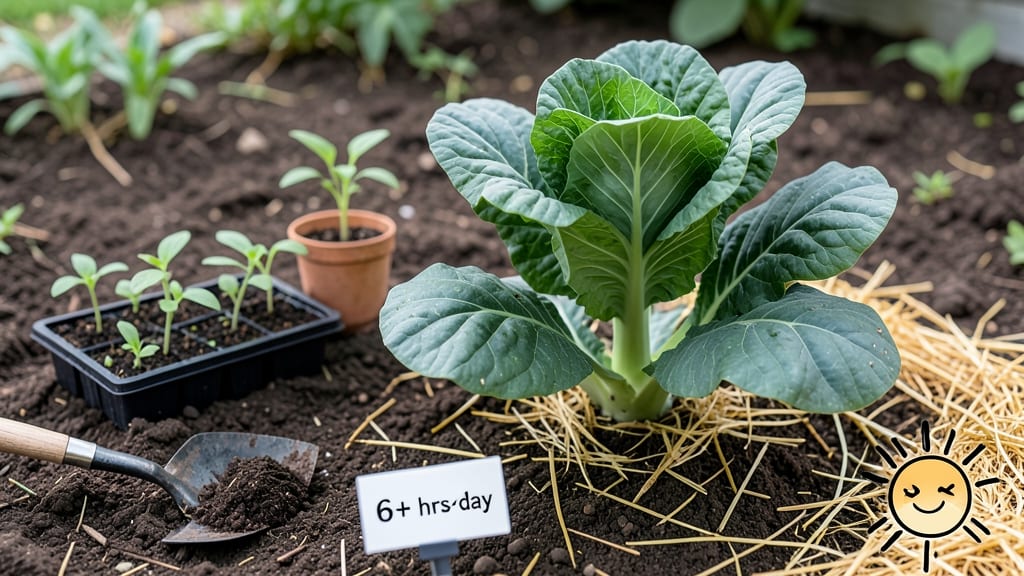
Planting your fall garden in Alabama starts 6-8 weeks before the first frost, which means mid-August to mid-September for most of the state.
Alabama’s warm climate lets gardeners enjoy a second growing season—but timing is everything. Plant too early, and your 🥬 fall crops bolt before frost; too late, and they struggle to mature.
Here’s your exact 8-week pre-frost schedule for Alabama’s fall garden, broken down by crop type and region (North vs. South).
We’ll cover the best planting windows for leafy greens, brassicas, and root crops, plus how to adjust for Alabama’s microclimates to maximize your harvest before winter sets in.
Alabama fall planting schedule by crop type (8-Week pre-frost timeline)
Alabama’s fall garden thrives when you align planting with the 8-week pre-frost window. In Northern Alabama (Birmingham), average first frost arrives November 15–December 1, while Southern Alabama (Dothan) holds off until December 15–January 10. This schedule ensures your cool-season crops mature before winter chills set in.
Start by dividing crops into three categories: leafy greens, brassicas, and root vegetables.
Each group has unique timing needs—leafy greens like spinach and kale tolerate light frosts, while brassicas (broccoli, cabbage) need 60–75 days to mature. Root crops (carrots, beets) thrive when sown 8–10 weeks before frost.
The summary table below breaks down exact planting windows, including whether to direct-sow or transplant seedlings. For example, bush beans and cucumbers (warm-season holdovers) must go in by mid-August, while kale and radishes can wait until early October.
For direct-sown crops like carrots or radishes, start seeds in well-drained soil with a light mulch to retain moisture. Transplants (e.g., broccoli or cabbage) should be hardened off for 7–10 days before moving outdoors. Use row covers in late fall to protect tender greens from light frosts.
Soil temperature plays a critical role. Aim for 60–70°F for most cool-season crops. Test your soil’s warmth with a soil thermometer—if it’s above 80°F, wait a week or two to avoid bolting. Leafy greens like spinach can handle 50°F soils, but root crops need warmer conditions to germinate.
Herbs like cilantro and parsley are perfect for Alabama’s fall garden. Sow them 6–8 weeks before frost in partial shade to prevent bolting. Dill, a biennial, can even overwinter in Southern Alabama with a thick mulch layer.
Adjust your schedule if you’re using row covers or cold frames. These tools can extend your growing season by 2–4 weeks, letting you plant broccoli or kale as late as early November in Northern Alabama. Just remove covers during the day to prevent overheating.
Monitor local weather forecasts for unexpected cold snaps. If frost is predicted, cover sensitive crops with frost cloth or old bedsheets. Brassicas actually sweeten after light frost, but leafy greens may turn bitter—harvest them before temperatures drop below 25°F.
Plan for succession planting to maximize your harvest. Sow radishes every 2 weeks from August through October—they mature in just 30 days and mark perfect spots for later plantings. Spinach and lettuce also respond well to staggered sowings.
Finally, don’t forget to rotate crops
How to adjust your fall planting for Alabama’s microclimates (North vs. south)
Alabama’s fall planting success hinges on understanding your microclimate. Northern Alabama (like Birmingham) sees its first frost between November 15–December 1, while Southern Alabama (like Dothan) holds off until December 15–January 10.
These differences mean your 8-week planting window shifts by nearly a month! Adjust your schedule to avoid premature bolting or frost damage.
For Northern Alabama gardeners, start transplanting cool-season crops like kale and broccoli by mid-August to harvest before frost. Southern Alabama has more flexibility—you can wait until late August for the same crops. The key is calculating your local frost date and working backward 6–8 weeks.
| Factor | Northern Alabama (Birmingham) | Southern Alabama (Dothan) |
|---|---|---|
| First Frost Date | Nov 15–Dec 1 | Dec 15–Jan 10 |
| Ideal Planting Window | Mid-August–Sept 15 | Late August–Oct 1 |
| Direct-Sow Timing | Late July–Aug 15 | Aug 15–Sept 1 |
| Row Cover Use | Oct 1–Nov 15 | Nov 1–Dec 31 |
| Cold Frame Use | Early Nov–Dec 1 | Late Nov–Jan 15 |
Extend your fall harvest with row covers or cold frames. In Northern Alabama, apply row covers by October 1 to protect spinach and radishes until late November. Southern Alabama can wait until November 1 for similar protection.
Cold frames work even later—Northern gardens benefit from them by early November, while Southern gardens can use them until January 15.
Don’t overlook soil temperature—it should be 50–60°F for most fall crops. Use a soil thermometer to check before planting. In Northern Alabama, soil cools faster, so prioritize fast-maturing varieties like bush beans (50 days) over slower cauliflower (80 days).
Southern Alabama’s warmer soil lets you grow broccoli and cabbage later.
Adjust your watering schedule too—fall rains decrease, so water deeply 2–3 times per week instead of daily. Mulch with straw or leaves to retain moisture and regulate soil temperature. This simple step can add 2–3 weeks to your harvest window in both regions.
If you’re unsure about your local frost date, check the Alabama Cooperative Extension System or use a frost calendar app. Even a 1-week delay in planting can mean the difference between a bountiful harvest and wasted seeds.
Start early, stay flexible, and enjoy Alabama’s second growing season! 🌱