
Planting
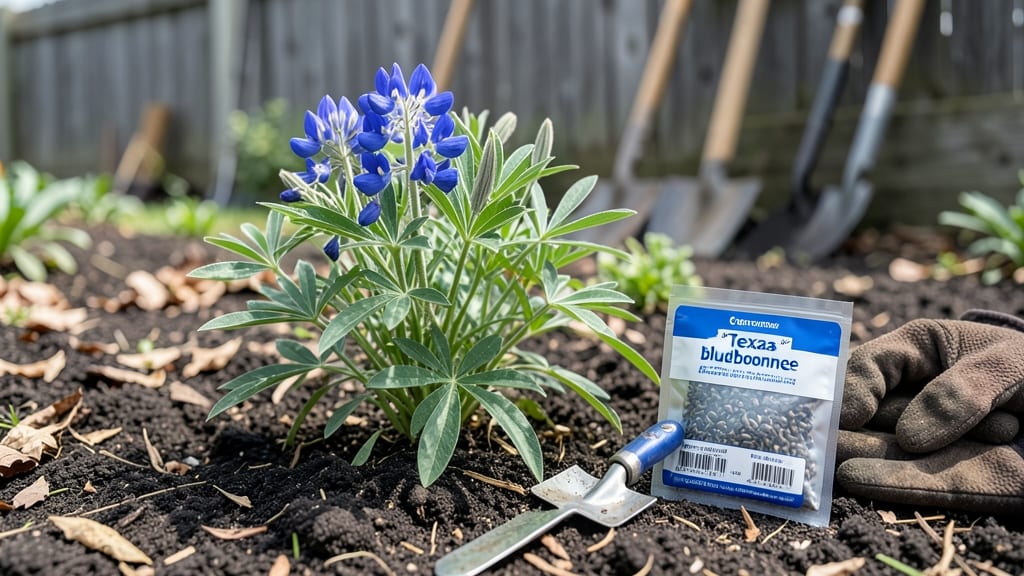
Planting your spring garden in Texas at the right time means beating the heat and avoiding frost surprises — a window that opens as early as February in South Texas and waits until March in the Panhandle.
Texas gardeners know timing is everything — plant too early, and a late frost wipes out your hard work; too late, and the brutal summer heat stifles your crops.
But with the right heat-tolerant plants and precise planting dates, you can enjoy a thriving spring garden even in the Lone Star State.
This guide breaks down the exact dates by USDA zone, from North Texas’s Zone 7a to South Texas’s Zone 10a, so you’ll know when to sow seeds and transplant seedlings for maximum success.
You’ll also discover the best heat-tolerant crops for Texas, how to prep your soil for scorching summers, and the 5 critical mistakes that derail even the most eager gardeners.
Texas spring planting calendar: exact dates by hardiness Zone (7a-10a)
Texas spans USDA hardiness zones 7a through 10a, meaning spring planting dates vary dramatically from the Panhandle's cooler climates to South Texas' early warm seasons. In Zone 7a, gardeners wait until mid-April for warm-season crops, while Zone 10a gardeners can start as early as late February.
These differences aren't just about frost risk—they're about soil temperature thresholds that trigger seed germination.
For example, okra and sweet potatoes need soil temps above 65°F to thrive, while cool-season greens like spinach can handle 40-50°F soils. My North Texas garden (Zone 8a) typically sees its last frost around March 15, but South Texas (Zone 9a) rarely experiences frost at all.
Let's break down the exact planting windows for each zone to help you avoid costly mistakes.
| Zone | Last Frost Date | Warm-Season Start | Cool-Season End | Soil Temp Threshold |
|---|---|---|---|---|
| 7a (Panhandle) | March 15 - April 1 | April 15 - May 1 | February 15 - March 1 | 50°F+ for warm crops |
| 8a (North Texas) | March 1 - March 15 | March 20 - April 10 | February 1 - February 15 | 55°F+ for warm crops |
| 8b (Central Texas) | February 28 - March 10 | March 1 - March 15 | January 15 - February 1 | 60°F+ for warm crops |
| 9a (South Central) | January 15 - February 1 | February 15 - March 1 | December 15 - January 15 | 65°F+ for warm crops |
| 10a (Deep South) | None (rare frost) | Late February - Early March | November 15 - December 15 | 70°F+ for warm crops |
In Zone 7a, I always wait until after April 15 to plant tomatoes and peppers, even though the air feels warm earlier. The soil temperature is what matters most—use a soil thermometer to confirm it's reached 60°F+ for warm-season crops.
For cool-season vegetables like lettuce or broccoli, I plant 6-8 weeks before the last expected frost date to ensure harvest before summer heat sets in.
Central Texas (Zone 8b) offers a unique advantage: you can plant cool-season crops in fall and warm-season crops in spring without overlap. My early March planting of okra and sweet potatoes often yields harvests by May, beating the summer heat.
However, Zone 10a gardeners must act fast—late February is their only window for early warm-season crops before the 100°F+ summers arrive.
One critical mistake I see often is planting heat-sensitive crops like cucumbers or beans too early in Zone 9a or 10a. Even if the air feels mild, soil temperatures above 85°F can shock young seedlings.
Instead, I opt for shade cloth during the hottest afternoon hours or choose heat-tolerant varieties like 'Heatmaster' tomatoes or 'Red Malabar' spinach.
For herbs like basil and cilantro, timing is equally precise. Basil thrives in Zone 10a's warm soil by mid-March, while cilantro—a cool-season herb—must be planted by early February in Zone 7a to avoid bolting.
I always keep a planting journal to track which varieties perform best in my specific zone, adjusting dates yearly based on weather patterns and microclimates.
If you're in transition zones like 8a or 9a, consider successive planting to extend harvests. For example, sow green beans every 2 weeks from March to May in Zone 8a to enjoy fresh pods through July. In Zone 10a, where frost is rare, you
Best heat-tolerant spring vegetables for Texas gardens (and when to sow them)
Texas' spring heat can be brutal for most vegetables, but these heat-tolerant varieties thrive when planted at the right time. Unlike cool-season crops, these plants actually perform better as temperatures rise, making them perfect for our long, hot growing season.
The key is timing—plant too early, and they'll bolt; too late, and they'll struggle with intense summer heat.
For direct-sowing, aim for late March to early April in North Texas (zones 7b-8a) and February to early March in South Texas (zones 9a-10a). Transplants can go in slightly later, around mid-April for North Texas and late March for South Texas, once soil temperatures hit 65°F+.
Always check your local last frost dates, but remember—these plants don't fear heat like their cool-season cousins.
- Okra – Direct-sow February-April (South Texas) or March-April (North Texas). Loves 90°F+ temps and produces pods for 6+ months. Pair with peppers to deter pests.
- Sweet Potatoes – Plant slips (transplants) in April-May after soil warms. Needs full sun and sandy soil—ideal for East Texas. Harvest 100-120 days later.
- Black-Eyed Peas (Cowpeas) – Direct-sow February-March (South) or March-April (North). Thrives in poor soil and fixes nitrogen. Ready in 60-70 days.
- Malabar Spinach – Transplant March-April or direct-sow after last frost. Handles 100°F+ temps and produces year-round in warm climates. Great for shade gardens.
- Southern Peas (Pigeon Peas) – Direct-sow February-March (South) or April (North). Drought-tolerant once established. Harvest pods at 4-6 inches for best flavor.
Companion planting boosts yields and deters pests in Texas heat. Pair okra with tomatoes to improve flavor, or plant black-eyed peas near corn to fix nitrogen in the soil. Avoid planting cucumbers near potatoes—they compete for nutrients and attract the same pests.
For container gardening, prioritize okra, peppers, and Malabar spinach—they thrive in 5-gallon pots with proper drainage.
Watering is critical—these plants need deep, infrequent watering (1-2 inches per week) to develop strong roots. Drip irrigation is ideal to avoid fungal diseases from overhead watering. In South Texas, where humidity is high, water in the early morning to prevent powdery mildew.
For North Texas, focus on evening watering to combat windburn.
Don’t forget to harvest regularly to encourage more production. Okra pods should be 3-4 inches long, sweet potatoes ready when leaves yellow, and black-eyed peas picked when pods are firm but tender.
Overripe pods or tubers lose flavor and texture quickly in Texas heat. Store harvested produce in a cool, shaded area (not refrigerated) to preserve quality.
With these heat-tolerant varieties and precise planting dates, you’ll enjoy a bountiful spring harvest even as Texas temperatures soar. Start small, experiment with companion pairings, and soon you’ll master the art of spring gardening in the Lone Star State! 🌱☀️