
Picking
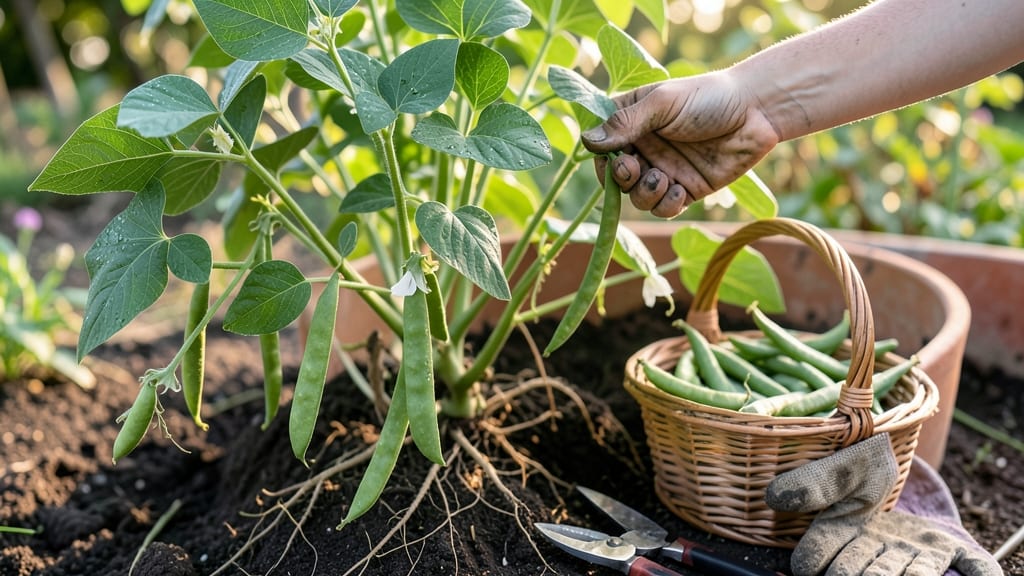
Picking green beans from your garden at the right time means the difference between tender, sweet pods and tough, stringy sticks 🌱—and the key is knowing exactly when to look.
You’ve spent weeks nurturing your plants, watching them climb and flourish, only to wonder: Are these beans ready, or should I wait? The answer lies in three simple tests—pod size, firmness, and color—that reveal whether your harvest is perfect or past its prime.
Harvesting too early means tiny, underdeveloped pods, while waiting too long turns them into woody, bitter messes. But with the right timing, you’ll enjoy a steady supply of crisp, flavorful beans all season long.
Below, I’ll walk you through the easiest way to check your beans, how often to harvest for maximum yield, and what to do if you miss the window. No guesswork—just perfect harvests every time.


3 Visual tests to determine when green beans are ready for harvest
There’s nothing worse than biting into a green bean that’s tough and stringy—it’s a clear sign you missed the perfect harvest window. The good news? With just three simple visual checks, you can guarantee your beans are at their peak flavor and crisp texture every time.
These tests work for both bush beans and pole beans, so you’ll never have to guess again whether your pods are ready.
Mastering these cues means you’ll enjoy a steady supply of fresh, tender beans straight from your garden. Plus, regular harvesting encourages your plants to produce more, giving you a longer harvest season. Let’s dive into the foolproof methods that will transform your green bean harvest from hit-or-miss to consistently delicious.
🌱 3 Visual Tests for Perfect Green Bean Harvests
- 1. Pod Length: Aim for 4-6 inches—this is the sweet spot for most varieties. Shorter pods (under 3 inches) are still developing, while longer ones risk becoming tough and woody.
- 2. Pod Thickness: Press gently—firm and crisp pods are ready, while soft or mushy pods are overripe. The walls should feel snappy, not flabby.
- 3. Bean Visibility: Look through the pod—plump beans visible inside mean it’s time to pick. If the beans are small or shriveled, wait a few more days.
One common mistake I see is waiting until beans are too long—by the time they reach 8 inches or more, they’ve already started converting starches into sugars, making them bitter and tough.
Think of green beans like green tomatoes: the earlier you pick them, the sweeter and more tender they’ll be. This is especially true for varieties like Blue Lake or Contender, which are prized for their crispness.
Color can also be a helpful clue, though it varies by variety. Most green beans should be a vibrant green hue, but some heirloom types like Kentucky Wonder develop a slight purple tint when fully mature.
If your beans are pale or yellowing, they’re either underripe or stressed—check your plant’s water and sunlight conditions. Overripe beans often turn dull or develop brown spots, signaling it’s time to harvest before pests or disease set in.
Another trick I swear by is the "snap test." Hold a pod between your thumb and forefinger near the stem end and gently bend it. A ready-to-harvest bean will snap cleanly with a slight crack, while an underripe pod will bend without breaking.
This method is especially useful for pole beans, which can be harder to examine visually due to their height and tangling growth habit. It’s a quick way to check multiple pods at once without damaging the plant.
Timing matters even more when you’re dealing with dwarf varieties like Blue Lake Bush, which mature faster than their pole bean cousins. These compact plants can produce beans in as little as 50 days, so regular checks every 2-3 days are a must.
For taller varieties, you might need to harvest less frequently, but always prioritize visual cues over a rigid schedule. Your plants will thank you with a longer, more productive season.
If you’re growing dry beans like black beans or pinto beans for later harvest, the rules change—you’ll wait until the pods turn brown and dry. But for fresh green beans, stick to these visual tests, and you’ll never have to settle for subpar pods again.
The key is consistency: check your plants daily once they start flowering, and you’ll never miss the perfect moment.
One final tip: harvest in the morning when temperatures are cooler. This ensures your beans are at their crispest and most flavorful. Store them in the fridge for up to a week, or use them immediately in salads, stir-fries, or steamed dishes.
The fresher they are, the better they’ll taste—and that’s the ultimate reward for a gardener’s effort.
How often to harvest green beans for maximum yield and flavor
Harvesting green beans at the right frequency is the secret to a continuous harvest and peak flavor. When you pick beans every 2-3 days, you encourage the plant to produce more pods, preventing it from shifting energy into seed production—which turns beans tough and woody.
This regular attention keeps your plants productive for weeks instead of just a few harvests.
Think of it like pruning a bush: the more you trim back the growth, the more vigorously it grows. The same principle applies to green beans.
By removing mature pods, you signal the plant to focus on new flower and pod development, rather than letting existing pods mature into dry seeds. This balance is key to avoiding overripe beans and maximizing your garden’s output.
Here’s the science: green beans are determinate (bush varieties) or indeterminate (pole varieties). Determinate types produce all their pods at once, so you’ll harvest heavily for 2-3 weeks before production slows.
Indeterminate types, however, keep producing all season—making frequent harvesting essential to sustain their growth. Adjust your schedule based on your variety and seasonal heat.
| Harvest Frequency | Best For | Seasonal Adjustments | Yield Impact |
|---|---|---|---|
| Every 2-3 days | Indeterminate varieties | Summer heat: daily if pods mature fast | Maximizes continuous production |
| Every 3-4 days | Determinate varieties | Spring/fall: reduce to 4-5 days | Sustains peak harvest window |
| Weekly | Late season or drought | Avoid if pods are still firm | Reduces plant stress |
If you’re growing bush beans, focus on harvesting within 2-3 weeks of the first pods forming. After that, production naturally declines as the plant shifts energy to seed development. For pole beans, treat them like a perpetual harvest: pick every 2-3 days all season long.
The key is to never let pods grow beyond 6 inches—this ensures tender, sweet beans and prevents the plant from becoming overloaded.
Seasonal adjustments matter too. In hot summer months, beans mature faster, so you might need to harvest daily during peak production. In cooler spring or fall, stretch your harvests to every 4-5 days to give the plant time to recover.
Always check pods for firmness and size before deciding when to pick—this is your best guide, not just the calendar.
Pro tip: Use a sharp pair of pruning shears or your fingers to snap pods at the stem. Avoid tearing leaves, which can stress the plant. And if you miss a harvest day, don’t panic—just pick the next day and focus on watering deeply to help the plant bounce back.
With this rhythm, you’ll enjoy weeks of fresh green beans instead of a single overwhelming harvest.