
Planting
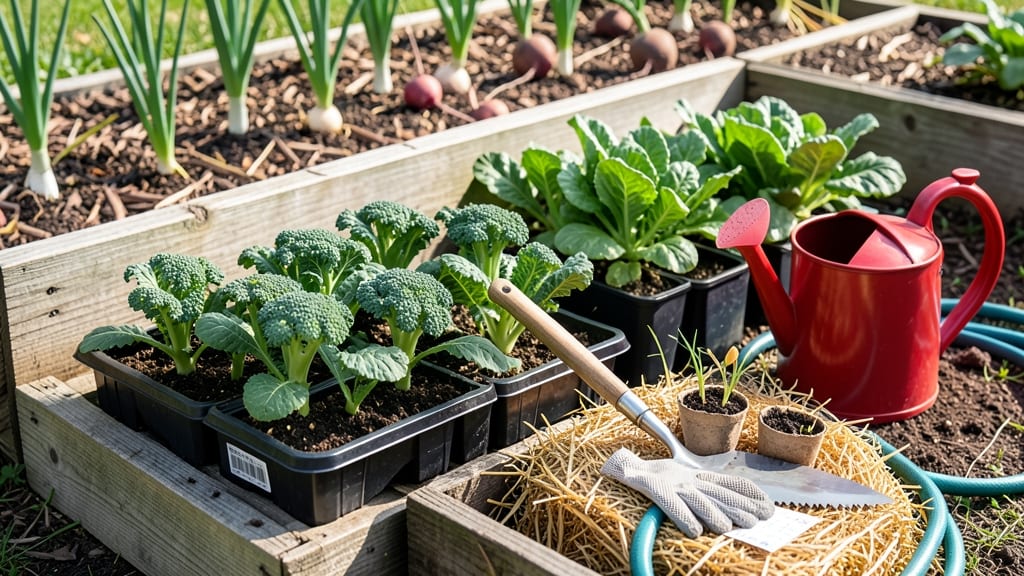
Planting a fall garden in Texas means beating the heat while avoiding early frosts—start your heat-tolerant crops like okra and sweet potatoes between mid-July and early September, depending on your zone.
Texas gardeners know timing is everything—plant too early, and your fall crops wilt in the heat; too late, and frost ruins your harvest. But with the right schedule for Zone 8A-10A, you can grow thriving vegetables like sweet potatoes, collards, and okra even as summer fades.
Unlike northern states, Texas’ long growing season lets you stretch harvests well into winter, but the key is knowing when to put seeds in the ground before temperatures drop.
The first frost in North Texas can hit as early as November, while South Texas may see frost in December—so your planting window narrows fast.
Below, I’ll break down the exact months to plant by crop, how to prep soil for fall, and the three biggest mistakes Texas gardeners make when timing their fall garden. Ready to extend your harvest? Let’s get started.
Fall planting timeline for Texas zones 8A-10A: exact dates by heat-tolerant crop
Texas's long growing season in Zones 8A-10A means you can plant heat-tolerant crops well into fall. Unlike northern states, your last frost dates vary dramatically—from mid-November in Zone 8A to January in Zone 10A. The key is planting warm-season crops early and cool-season crops as temperatures dip.
Let’s break down the exact windows for your most productive fall harvests.
For Zone 8A (e.g., Dallas, Austin outskirts), aim to plant okra and sweet potatoes by mid-August when soil temps stay above 75°F. In Zone 9A-10A (Houston, San Antonio, South Texas), you’ve got until late September for these heat-lovers.
Meanwhile, collards and kale should go in by mid-September in Zone 8A or early October in warmer zones to avoid early frost stress.
| Crop | Zone 8A Planting Window | Zone 9A-10A Planting Window | Soil Temp Threshold | Last-Frost Avoidance Tip |
|---|---|---|---|---|
| Sweet Potatoes | July 15 – August 15 | July 1 – September 1 | 70–80°F | Use black plastic mulch to warm soil |
| Okra | August 1 – September 1 | August 15 – October 1 | 75–85°F | Harvest before first 32°F frost |
| Collard Greens | September 1 – October 15 | September 15 – November 1 | 60–70°F | Plant near windbreaks to prevent frost damage |
| Kale | September 15 – October 30 | October 1 – November 15 | 55–65°F | Use row covers for early frosts |
| Turnips | September 1 – October 15 | September 15 – November 1 | 50–60°F | Direct-sow for fastest germination |
| Carrots | September 15 – October 30 | October 1 – December 1 | 55–65°F | Loosen soil to prevent forking |
Your Zone 8A gardeners should prioritize early September plantings for cool-season crops like broccoli and cabbage. These thrive when days grow shorter but nights stay mild. In Zone 9A-10A, you can stretch plantings into early November for frost-sensitive crops.
Always check your local frost dates—the National Weather Service provides 10-day forecasts that help time your last sowings.
For heat-tolerant crops like southern peas, plant by mid-August in Zone 8A or late August in Zone 10A. These crops need consistent warmth and well-draining soil to avoid root rot.
Amend your soil with compost before planting—Texas clay can bake hard in summer, making it difficult for roots to establish.
One critical mistake Texas gardeners make is planting cool-season crops too late. By October 15 in Zone 8A, nights are already dropping below 50°F, stressing seedlings.
Instead, opt for fast-maturing varieties like ‘Tendersweet’ turnips (30 days to harvest) or ‘Winterbor’ kale (45 days). These give you a harvest before frost sets in.
Use mulch to regulate soil temperatures—straw or leaves insulate roots in fall, preventing temperature swings that stunt growth. For Zone 10A gardeners, where frosts are rare, focus on succession planting every 2–3 weeks from September through November.
This ensures a continuous harvest of leafy greens like spinach and Swiss chard.
Don’t forget pest control—fall brings aphids and cabbage worms to young seedlings. Apply neem oil or introduce beneficial insects like ladybugs to keep populations in check. In South Texas (Zone 10A), whiteflies can still be active into October, so monitor plants weekly.
How to extend your Texas fall garden season: cooling tricks for late plantings
Texas summers can linger into October, but with the right strategies, you can keep your fall garden thriving long after most gardeners pack up. The key is delaying heat stress while preparing for cooler temps.
Whether you're in the Hill Country or Gulf Coast, these cooling tricks will buy you extra weeks of harvest.
First, focus on shade solutions like 30% shade cloth to lower soil temps by 10-15°F. For mulching, use straw or wood chips to insulate roots—this keeps soil 5-10°F cooler than bare ground.
Pair these with drip irrigation timed for early morning to prevent evening moisture that fuels fungal growth.
For Hill Country gardeners, prioritize windbreaks like tall sunflowers or bamboo fencing to reduce evaporative cooling loss. In the Gulf Coast, where humidity lingers, opt for raised beds with black plastic mulch to warm soil faster for late-season greens.
Test soil temps weekly—aim for 60-70°F for optimal growth.
Don't forget to harvest strategically! Pick leafy greens like collards every 2-3 days to encourage regrowth. For root crops (carrots, beets), thin seedlings to 2 inches apart to reduce competition. These small adjustments can add 30-45 days to your harvest season.
Finally, monitor first frost dates—Zone 8A averages November 15, while Zone 10A rarely sees frost. Use frost blankets on sensitive crops like broccoli or cabbage to protect tender leaves. With these tricks, your Texas fall garden can stay productive until December or later!