
Planting
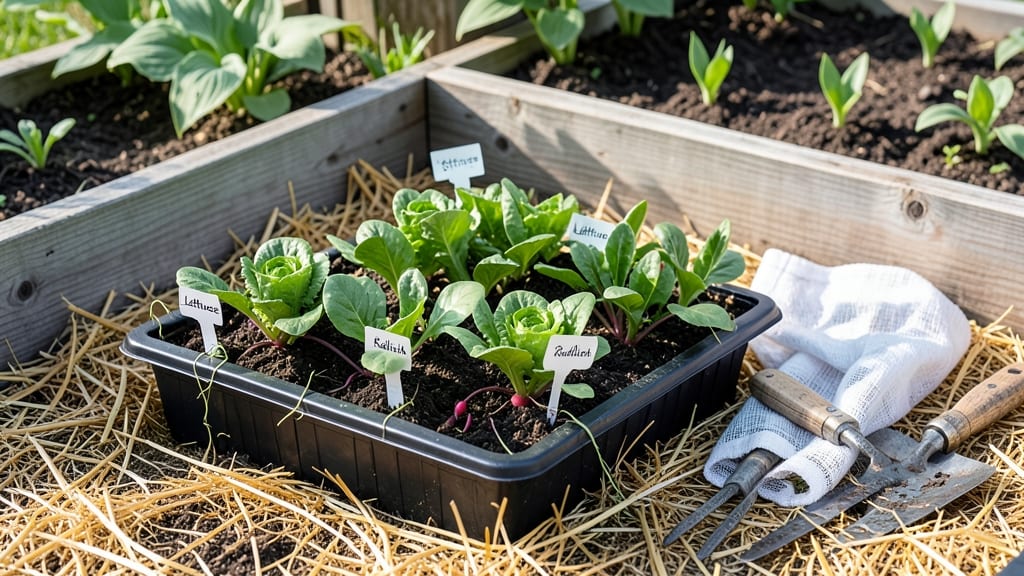
Planting a garden in Michigan should happen between mid-April and early June, depending on your USDA Zone 4B location and the crop you’re growing.
Michigan’s short growing season means timing your garden planting perfectly can mean the difference between a thriving harvest and a disappointing one. With USDA Zone 4B’s last frost dates varying by region, knowing exactly when to plant is critical for success.
Too early, and a late frost will wipe out tender seedlings. Too late, and warm-season crops like tomatoes won’t have enough time to mature before fall. The key is matching your planting window to the frost-free days your area offers.
In this guide, I’ll break down the best planting dates for vegetables, flowers, and perennials—plus how to adjust for microclimates and extend your season with row covers. By the end, you’ll know exactly when to get your hands in the dirt for a bountiful Michigan garden.
Michigan’s USDA Zone 4B planting calendar: exact dates by plant type
Michigan’s USDA Zone 4B offers a unique gardening challenge with its short growing season and variable frost dates. Whether you're in Detroit, Grand Rapids, or Traverse City, precise timing ensures your plants thrive.
Last spring frost dates typically range from mid-April to late May, while first fall frosts arrive between mid-September and early October. These windows create opportunities for both cool-season and warm-season crops, along with perennial planting.
Understanding these dates helps you maximize your garden’s potential. For example, cool-season crops like lettuce and peas can handle light frosts, while warm-season crops like tomatoes and peppers need to wait until soil warms to at least 50°F.
Perennials, on the other hand, benefit from early spring or fall planting to establish strong root systems before winter.
Below is a detailed planting calendar tailored to Michigan’s Zone 4B, including frost date averages for key cities. Use this as your guide to plan when to sow seeds, transplant seedlings, and harvest for the best results.
🌱
| Plant Type | Detroit (Last Frost) | Grand Rapids (Last Frost) | Traverse City (Last Frost) | Planting Window | Notes |
|---|---|---|---|---|---|
| Cool-Season Crops (Lettuce, Spinach, Peas, Kale) | Mid-April to early May | Late April to mid-May | Early May to early June | Spring: 4-6 weeks before last frost Fall: Late July to early August |
Tolerates light frost; direct sow or transplant. |
| Warm-Season Crops (Tomatoes, Peppers, Basil, Cucumbers) | Late May to early June | Early to mid-June | Mid-June to early July | After soil reaches 50°F; transplant seedlings. | Use row covers for early starts; mulch to retain heat. |
| Perennials (Daylilies, Coneflowers, Lavender) | Early April to mid-May | Late April to early May | Early May to early June | Early spring or fall; 6-8 weeks before first frost. | Plant in well-draining soil; water deeply after planting. |
| Fall Crops (Kale, Radishes, Carrots) | Late July to mid-August | Early August to early September | Mid-August to early September | Direct sow 8-10 weeks before first frost. | Harvest before hard frost; extend season with row covers. |
For cool-season crops, start seeds indoors 4-6 weeks before your area’s last frost date. In Detroit, this means sowing lettuce and spinach by early April, while Grand Rapids gardeners should wait until late April.
Traverse City’s cooler climate pushes planting back to early May. These crops can also be sown in late summer for a fall harvest, giving you two growing seasons in one year.
Warm-season crops like tomatoes and peppers require warmer soil and air temperatures. In Detroit, wait until late May to early June to transplant seedlings, while Grand Rapids and Traverse City should hold off until early to mid-June.
To extend the season, use row covers or black plastic mulch to warm the soil faster. Always monitor soil temperature with a thermometer—50°F is the minimum for safe planting.
Perennials thrive when planted in early spring or fall, allowing roots to establish before winter. In Michigan’s Zone 4B, this means planting daylilies or coneflowers between early April and mid-May for spring planting, or 6-8 weeks before the first frost in fall.
Choose hardy varieties like Russian sage or black-eyed Susans, which tolerate Michigan’s winters with ease.
Fall planting is a smart strategy for hardy vegetables like kale and radishes. In Detroit, sow seeds by late July for a harvest before the first frost in mid-September.
Grand Rapids and Traverse City can extend this window slightly, with planting dates into early September. Use row covers to protect tender crops and push harvests later into the season.
Always check local frost date averages and adjust for your specific microclimate. Urban areas like Detroit may experience slightly earlier last frosts due to the heat island effect, while rural areas like Traverse City can be cooler.
When in doubt, consult the Michigan State University Extension for up-to-date frost data and planting recommendations tailored to your county.
🌿
Pro tip: Keep a gardening journal to track your local frost dates and planting success. Over time, you’ll refine your schedule to match your unique growing conditions. For example, if you notice your tomatoes thrive when planted by June 1st
How to adjust planting dates for Michigan’s microclimates and frost risks
Michigan’s USDA Zone 4B frost dates can vary dramatically—sometimes by weeks—between regions just 50 miles apart. My Traverse City garden might see last frosts in May 15, while Detroit gardens often wait until May 25.
These differences mean relying on average frost dates can lead to failed plantings.
Instead of guessing, I use local frost history and microclimate adjustments to fine-tune my planting schedule. For example, a south-facing slope warms up 1-2 weeks faster than a north-facing valley. Even within your yard, a low-lying area can hold frost longer than a raised bed.
To adjust planting dates, I calculate a 14-day buffer after my local last frost date for warm-season crops. For instance, if my area’s frost date is May 10, I wait until May 24 to plant tomatoes outdoors.
For cool-season crops (like spinach or peas), I plant 4-6 weeks before the last frost to ensure harvests before summer heat.
Row covers are my secret weapon for extending seasons. A floating row cover can raise soil temps by 5-10°F, letting me plant cold-sensitive crops like cucumbers or squash 2-3 weeks earlier. I also use black plastic mulch in spring to warm soil faster for warm-season starters.
For fall planting, I track my first frost date and count backward. Most cool-season crops (like kale or carrots) can handle light frosts, so I plant 60-70 days before the first frost.
In my Zone 4B garden, that means late July to early August for a September-October harvest.
Use Michigan State University Extension’s frost maps and local gardeners’ records to refine your dates. My neighbor’s frost history (just 3 miles away) showed 3 later frosts in 5 yearshardy greens 2 weeks earlier as a buffer.
Small adjustments like these protect your investment and maximize your harvest. 🌱