
Pruning
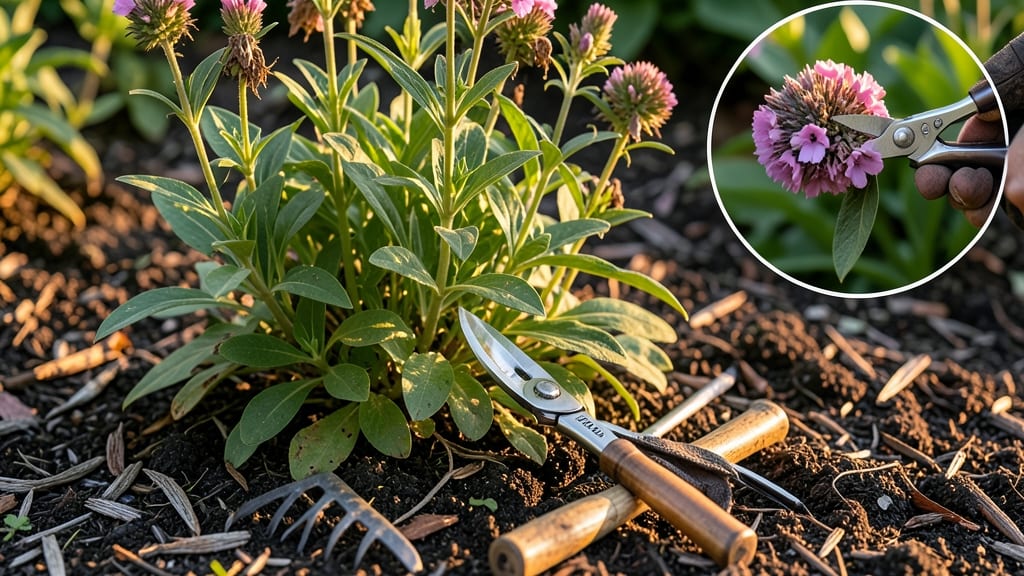
Cutting back garden phlox at the right time ensures vibrant blooms next season and keeps your plants healthy.
Struggling to decide when to trim your garden phlox without risking next year’s vibrant blooms? Timing this task wrong can mean fewer flowers—or even losing your plant entirely. The key is knowing whether to prune in late fall or early spring, depending on your climate zone.
For most gardeners in zone 6a, the best window is late fall after the first frost, but early spring works too if you’re in a milder region. Pruning too early can leave your plants vulnerable to cold, while waiting too long risks stunted growth or disease.
Below, I’ll walk you through the exact timing, tools, and steps to prune your 🌸 garden phlox without damaging next year’s blooms—and why getting it right makes all the difference.
The exact best time to cut back garden phlox for healthy regrowth
Deciding when to cut back your garden phlox can feel like walking a tightrope—trim too early, and you risk stunted growth; wait too long, and you might encourage disease.
The science behind phlox pruning reveals that timing depends on your USDA hardiness zone and whether your goal is winter protection or spring reblooming. For most gardeners, the ideal window falls between late fall and early spring, but the exact timing varies by region.
Phlox is a perennial workhorse that stores energy in its roots, so cutting too early removes vital nutrients needed for next year’s blooms. Meanwhile, leaving dead foliage too late can trap moisture, inviting powdery mildew or root rot.
The key is balancing plant health with seasonal cues, like leaf color and frost timing. Let’s break down the best approach for your climate zone to ensure your phlox thrives.
For gardeners in USDA zones 3-5, where winters are harsh, the best time to cut back phlox is late fall, right after the first hard frost. This removes dead foliage while protecting the root system from extreme cold.
In zones 6-9, where winters are milder, early spring pruning (just before buds swell) works better to encourage vibrant reblooming. The key is to prune after the plant has gone dormant but before new growth starts.
If you’re unsure whether your phlox is truly dormant, look for brown, crispy leaves and woody stems. These are clear signs it’s safe to prune. In contrast, green leaves or tender stems mean the plant is still storing energy—cutting too early will weaken next year’s blooms.
Pro tip: In warmer climates (zones 8-9), you can even prune lightly in late winter to shape the plant without risking dieback.
One common mistake is pruning after the first flush of spring blooms. While this might seem logical, it removes the energy reserves needed for those early flowers. Instead, wait until after the first bloom cycle (usually late June) to do a light cleanup.
This lets your phlox replenish its strength while keeping your garden tidy. For reblooming varieties, like Phlox paniculata, this approach ensures a second wave of flowers in late summer.
Climate plays a huge role in phlox pruning. In northern zones (3-5), where snow covers the ground, pruning in late fall prevents snow mold and rot. In southern zones (7-9)February-March) aligns with the plant’s natural growth cycle.
Always avoid pruning during active growth periods, like late spring or summer, as this can stress the plant and reduce flowering.
To make pruning easier, use clean, sharp pruners and cut back to 1-2 inches above the ground. This height leaves enough foliage for photosynthesis while removing debris. After pruning, mulch the base with 2-3 inches of organic matter to insulate roots and retain moisture.
This step is especially critical in dry climates or hot summers, where phlox can struggle to recover from pruning stress.
If you’re still unsure about timing, observe your phlox’s natural cycle. Most varieties follow a dormant-to-bloom pattern that aligns with frost dates. For example, in zone 6, where the last frost typically hits mid-April, prune in late November to early December. In zone 8January-February
Step-by-step guide to pruning phlox without damaging next year’s blooms
Pruning garden phlox is key to keeping your plants healthy and blooming beautifully. But cutting at the wrong time or in the wrong way can harm next year’s flowers. The secret lies in timing, technique, and knowing what to avoid.
Let’s walk through the exact steps to prune your phlox correctly, so you’ll have a burst of color for seasons to come.
Start by gathering your tools: a pair of clean, sharp pruners (or shears), a small rake for cleanup, and a bucket for clippings. Always disinfect your tools with rubbing alcohol to prevent spreading disease.
Next, identify the dead or diseased stems—these should be removed first, regardless of the season. This step alone can prevent many common phlox problems.
⚠️ callout-warning ⚠️
The worst time to prune phlox is late summer or early fall, just before bud formation. Cutting too early removes next year’s blooms, which develop on new growth in late summer. Instead, wait until late fall or early spring (after the last frost) to prune back stems to 3-4 inches above the ground.
For reblooming varieties, deadhead spent blooms throughout the season to encourage more flowers. But avoid heavy pruning until dormancy.
Once you’ve removed dead stems, focus on the healthy ones. Cut them back to about 3-4 inches above the soil line. This height gives the plant enough energy to regrow strong stems and produce abundant blooms next season.
Avoid cutting too close to the base, as this can damage the crown and invite pests or disease.
After pruning, clear away all the clippings and debris from the base of the plant. This reduces the risk of fungal diseases like powdery mildew, which thrives in damp, cluttered areas.
Rake the soil gently and consider adding a 2-inch layer of mulch to protect the roots and retain moisture during the growing season.
One of the most common mistakes is pruning too aggressively. Over-pruning can leave your phlox looking bare and struggling to recover. Another error is using dull or dirty tools, which can tear stems and create entry points for infections.
Always use clean, sharp tools and make cuts at a 45-degree angle just above a leaf node for the best results.
Finally, monitor your phlox over the next few weeks. Healthy new growth should emerge from the base, and you’ll see fresh buds forming by late summer. If you notice yellowing leaves or stunted growth, it might be a sign of over-pruning or disease.
Adjust your care routine accordingly, and your phlox will reward you with stunning blooms year after year.