
How To
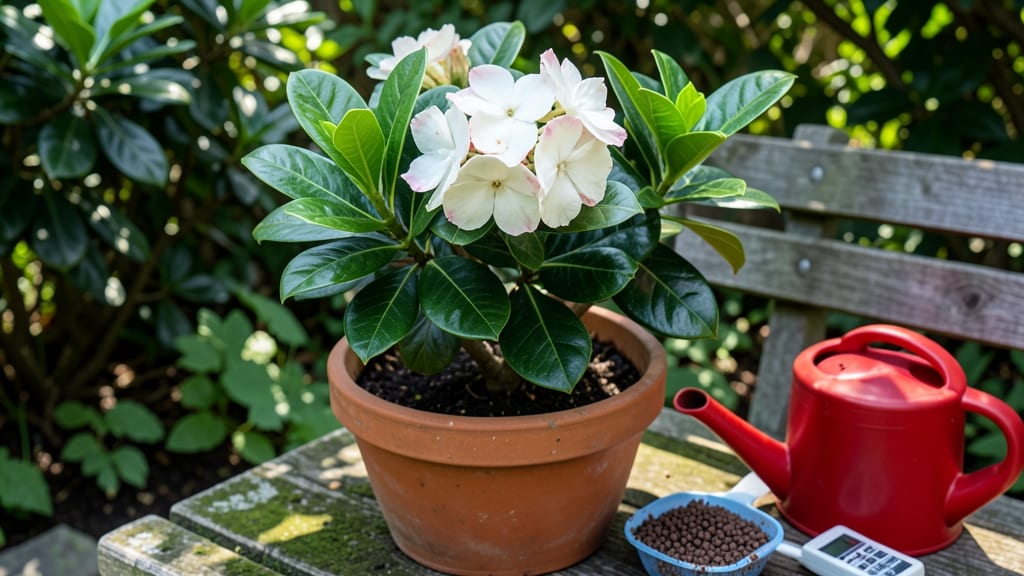
To fertilise gardenias at the right time means watching for new growth and blooming cues—spring is your best window, but timing it wrong can kill those fragrant 🌸 blooms before they open.
Picture this: You’ve spent months waiting for your gardenia to burst into color, only to see yellowing leaves or no flowers at all. The problem? Over- or under-fertilizing at the wrong stage.
In Zone 6, I’ve learned the hard way that a late-spring feed can trigger lush foliage but rob you of blooms entirely.
Here’s the game-changer: Feed lightly in early spring (when buds form) and again after flowering, but skip fall and winter entirely. The key is matching fertilizer to leaf color—dark green means it’s hungry, yellow means you’ve overdone it, and new growth signals it’s ready for another boost.
Below, I break down the exact schedule by season, the best fertilizer types for acidic soil, and how to spot when your gardenia is begging for help—or screaming for mercy.
Optimal fertilizing schedule for gardenias by season and leaf color
Gardenias thrive when you fertilize them strategically—not just randomly. The key lies in reading your plant's leaf color and growth stage. Dark green leaves signal healthy growth, while yellowing or new growth indicates specific fertilizer needs.
Understanding these cues lets you feed your gardenias at the perfect moments for blooms that last.
Timing matters more than you might think. Fertilizing at the wrong time can stress your plant, leading to fewer flowers or even leaf burn. For example, over-fertilizing in fall encourages tender new growth that won’t survive winter.
Meanwhile, a light feed in early spring jumpstarts blooming season. Let’s break down the science-backed schedule by month and leaf condition.
🌱 Pro Tip: Always use an acid-loving fertilizer (pH 5.0-6.0) like cottonseed meal or a peat-based formula. Gardenias hate alkaline soil—it’s their #1 growth killer.
In early spring, when you spot fresh green growth, it’s time for your first feed. Use a slow-release granule like 10-10-10 to avoid burning roots. Apply it after the last frost date in your area—typically around mid-April in Zone 6. This kickstarts your gardenia’s blooming cycle.
By late spring, your plant should show dark green, glossy leaves—a sign it’s thriving. Switch to a liquid acid fertilizer every 6 weeks to maintain this vibrancy.
Look for products labeled for azaleas or camellias; they’re formulated for acid-loving plants like gardenias. Apply in the morning to prevent leaf burn from afternoon sun.
If your gardenia’s leaves start yellowing in summer, it’s often a cry for nitrogen. A light liquid feed (like 8-3-9) can help, but never overdo it.
Brown leaf tips? That’s a classic over-fertilizing sign. Cut back on feedings immediately and flush the soil with water to reduce salt buildup.
As temperatures drop in fall, stop fertilizing entirely. Your gardenia needs time to harden off before winter. Focus on watering deeply and adding a 2-inch layer of mulch to protect roots.
This is also the time to prune dead blooms—never prune in spring, as it removes next year’s flower buds.
Winter is your gardenia’s dormant period. No fertilizer, no pruning—just light watering to keep the soil slightly moist. Resist the urge to feed; your plant is resting.
When you see new growth in late winter, that’s your cue to start the cycle again with a light spring feed.
💡 Regional Tip: In warmer climates (Zones 8-10), you can extend fertilizing into early fall. But always stop 6 weeks before your first frost date to avoid winter damage.
Signs your gardenia needs fertilizer (and when to avoid it)
Your gardenia's leaves tell a story—yellowing between veins or brown tips often signal a nutrient deficiency, while slow growth or sparse blooms scream for a fertilizer boost. But before reaching for that bag of plant food, check for overwatering or poor drainage, which can mimic fertilizer needs.
Gardenias thrive on a balanced schedule, not constant feeding.
Root-bound plants (roots circling the pot) also beg for fertilizer, but only after repotting. And remember: dormant seasons like winter are no time to feed—your gardenia is resting, not growing. Let's decode these signs so you fertilize just enough to keep your gardenia blooming like crazy.
⚠️ callout-warning ⚠️
- Winter months (plant is dormant)
- After pruning (wait 4-6 weeks)
- If leaves show burnt edges (over-fertilization)
- During extreme heat (stress increases risk)
Fertilizing at the wrong time can burn roots or promote weak growth. Always check soil moisture first—dry soil needs water, not fertilizer!
Start with leaf color clues: Yellow between veins (chlorosis) means iron deficiency, while dark green with brown tips often signals overwatering or salt buildup from too much fertilizer. New growth that's pale or stunted? That's your gardenia begging for nitrogen—but don't overdo it.
Check the growth cycle: Gardenias bloom best when fertilized every 6-8 weeks during active growth (spring to early summer). If you see fewer flowers than last year, a phosphorus-rich feed (like bone meal) may help. But skip feeding after mid-summer to prep for dormancy.
Watch for root stress signs: Wilting leaves despite moist soil or mushy roots mean fertilizer burn. If you've recently fed and see these symptoms, flush the soil with water to dilute salts. Root-bound plants (roots circling the pot) need repotting before fertilizing.
Pro tip: Use a soil pH test kit—gardenias need acidic soil (pH 5.0-6.0). If your soil is too alkaline, even the best fertilizer won't help. Lime or sulfur adjustments often solve the problem before extra nutrients are needed.
Remember, less is more with gardenias. A light feeding every 2 months keeps them happy, while heavy-handed fertilizing leads to leaf burn and fewer blooms. When in doubt, wait—your gardenia will thank you with glossy leaves and heavy fragrance.