
Picking
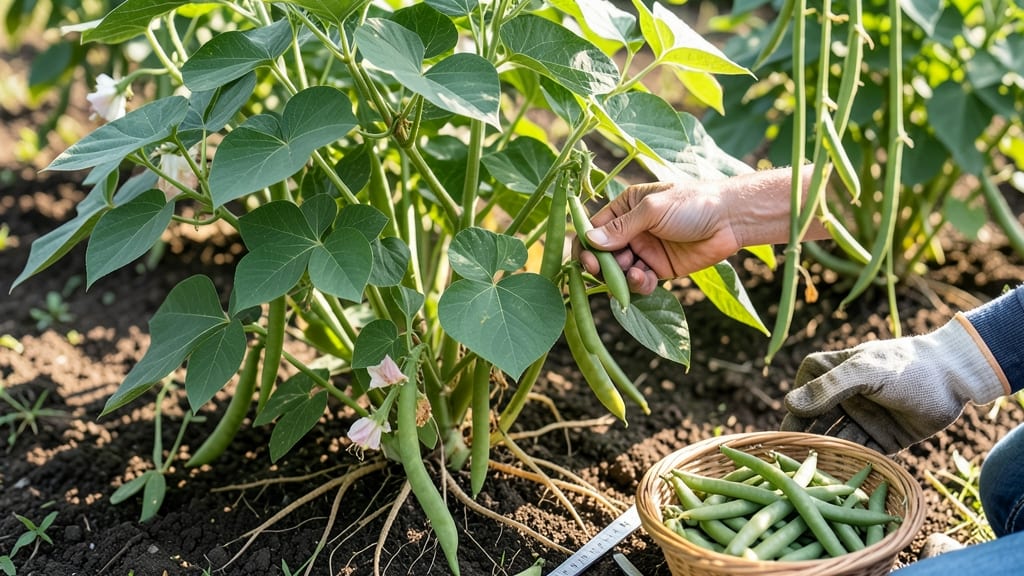
To pick beans from your garden at the perfect time means harvesting them when they’re tender, crisp, and packed with flavor—before they turn tough or stringy.
Harvesting beans at the wrong time can mean the difference between tender, flavorful pods and tough, stringy disappointment—so timing your pick is everything. One day too late, and those sweet snap beans turn into a chewy mess.
Most green beans 🌱 are ready 60-70 days after planting, but size and color are your best clues. Look for pods that are 4-6 inches long, firm to the touch, and snap easily when bent—these are your telltale signs of peak freshness.
In this guide, I’ll break down the exact visual cues to watch for, common mistakes that ruin timing, and pro tips to keep your harvest going all season long.


How to identify the perfect bean pod size for harvesting
Timing your bean harvest correctly transforms your garden into a flavor factory. The difference between a tender, crisp pod and a woody, stringy mess often comes down to a few simple visual cues.
Paying attention to pod size, firmness, and color ensures you enjoy beans at their peak freshness and flavor.
Beans are one of the few vegetables where harvest timing directly impacts taste. Overlooking these cues can mean sacrificing the crisp texture and sweet flavor that make fresh beans so rewarding.
Whether you're growing green beans, wax beans, snap peas, or lima beans, the principles remain the same—just the specifics vary slightly.
I’ve learned the hard way that waiting too long turns my carefully grown beans into tough, leathery pods that even boiling can’t salvage. The key is to harvest when the pods are 4-6 inches long, firm to the touch, and bright in color.
This window ensures maximum tenderness and flavor, making every bite worth the effort.
| Bean Type | Ideal Pod Size | Firmness Test | Color & Texture | Harvest Frequency |
|---|---|---|---|---|
| Green Beans | 4-6 inches | Firm, snaps cleanly | Bright green, glossy | Every 2-3 days |
| Wax Beans | 5-7 inches | Crisp, slightly waxy | Yellow-green, smooth | Every 3-4 days |
| Snap Beans | 3-5 inches | Thin, snaps easily | Flat, bright green | Every 2 days |
| Lima Beans | 3-4 inches | Firm, plump | Green or butter-yellow | Every 4-5 days |
For green beans, aim for pods that are 4-6 inches long and snap easily when bent. If the pod bends and breaks cleanly, it’s ready.
If it resists or feels rubbery, wait another day or two. The color should be vibrant green, not dull or yellowing, which signals overmaturity.
Wax beans, with their yellow-green hue, should be harvested when they reach 5-7 inches. Their slightly waxy texture is a dead giveaway—if they feel soft or mushy, they’ve passed their prime. These beans are best picked in the morning after dew has dried to preserve their crispness.
Snap beans are a different story—they’re all about thinness. Look for pods that are 3-5 inches long and flat with crisp edges. The thinner the pod, the sweeter the flavor. If you notice the pods starting to bulge or the edges becoming tough, it’s time to harvest before they lose their signature snap.
Lima beans, whether green or butter-yellow, should be harvested when they’re 3-4 inches long and firm to the touch. Unlike other beans, lima beans can be harvested slightly larger if you prefer a buttery texture, but they’ll lose their tender quality quickly once overripe.
Check for plumpness and smoothness—wrinkled or shriveled pods are a sign to pick sooner next time.
One of my biggest lessons? Harvesting frequency matters. Beans produce continuously, so picking every 2-4 days encourages more pods to form. If you wait too long, the plant will shift its energy from producing pods to developing seeds, and your harvest will suffer.
A quick check every morning keeps your beans at their best.
Don’t forget to run your fingers along the vine while harvesting. This gentle touch helps stimulate new pod growth and keeps the plant productive. And always use clean, sharp scissors or fingers to avoid damaging the vine. A little care goes a long way in maximizing your yield.
If you’re unsure whether a pod is ready, err on the side of picking early. Beans continue to mature quickly, and a slightly underripe pod is always better than one that’s overripe.
With practice, you’ll develop an eye for the perfect moment—when your beans are tender, flavorful, and ready to enjoy.
Common mistakes that ruin your bean harvest timing
Even experienced gardeners sometimes fall into the trap of harvesting beans too early or too late. When you pick beans at the wrong stage, you're left with either underdeveloped pods or tough, overmature beans that ruin dishes. The key is recognizing subtle visual cues that most gardeners overlook.
One of the biggest mistakes is ignoring pod firmness. Many gardeners focus only on size, but a bean's texture tells you more about its readiness.
Soft pods mean it's too early, while pods that feel leathery or woody are past their prime. This simple check can save your harvest from disappointment.
⚠️ Warning: The 3-Second Bean Test
Never wait until pods look perfect—by then, seeds are often too large. Instead, use the 3-second snap test: Pick a pod and bend it gently. If it snaps cleanly in 3 seconds or less, it's ready. If it bends without breaking, wait 2-3 days. Overlooking this simple test leads to stringy, tough beans that no recipe can save.
Another critical error is harvesting inconsistently. When you pick every other day instead of daily, your plants send mixed signals. Beans grow fastest when you remove pods regularly, encouraging more production. Skipping days means fewer harvests and overcrowded plants that struggle to recover.
Don't assume all bean varieties mature at the same time. Green beans and wax beans have different ideal harvest windows. For example, bush beans often produce for just 2-3 weeks, while pole beans can keep yielding for months if pruned correctly.
Mixing up these timelines leads to wasted effort and frustration.
Even the color of the pod matters more than you think. While bright green is ideal for most varieties, some beans like yellow wax beans should be harvested when they're a vibrant golden hue.
Waiting for them to turn dull yellow means they've passed their peak. Always check your seed packet for variety-specific clues.
Finally, climate mistakes ruin timing more than gardeners realize. In hot summers, beans mature faster—sometimes 2 weeks earlier than expected. Conversely, cool springs delay growth. Adjust your harvest schedule by tracking plant height and flower development rather than relying on calendar dates.
By avoiding these common mistakes, you'll enjoy continuous harvests of tender, flavorful beans all season long. The secret isn't just knowing when to pick, but recognizing the subtle signs that tell you the perfect moment is now. 🌱