
Picking
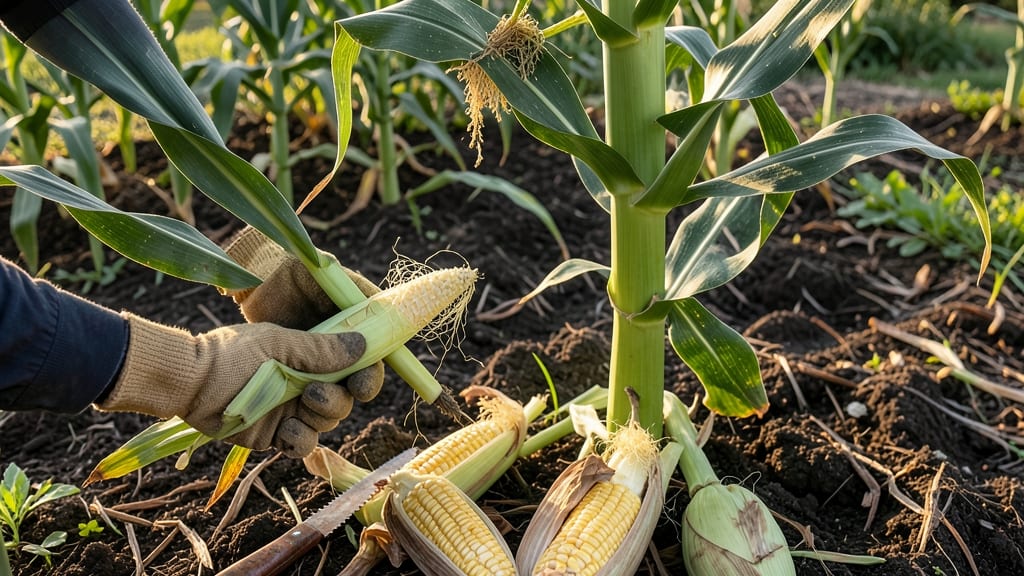
Picking corn from your garden at the right time turns a simple harvest into a flavor explosion—when silks turn brown and kernels ooze milk when pierced is the golden window.
Picture this: you’ve spent weeks nurturing your 🌽 plants, and now the moment of truth arrives. One wrong move, and you’re left with tough, starchy ears instead of sweet, juicy perfection.
The difference between a stellar harvest and a disappointing one often comes down to timing—and knowing exactly when those kernels are ready to pick.
Most gardeners focus on days to maturity, but the real secret lies in two simple checks: the color of the silks and the texture of the kernels. Skip these cues, and you might harvest too early (watery, underdeveloped) or too late (woody, past its prime).
I’ll walk you through the foolproof tests so you never miss the sweet spot again.
From morning dew to evening heat, even the time of day can affect sweetness. You’ll also learn how to adjust for your Zone 6a climate, avoid common pitfalls, and keep your corn tasting like summer long after the garden season ends.


How to determine when corn is ready to harvest using silk & kernel tests
Picking corn at the perfect moment transforms your garden harvest from starchy and tough to sweet and juicy. The two most reliable methods—checking the silk color and performing the kernel milk test—give you foolproof cues.
I’ve used these tricks for years, and they’ve never failed me. Let’s break down each method so you can confidently harvest your corn at peak flavor.
First, focus on the silks, those long, thread-like strands at the top of the corn ear. When they first emerge, they’re bright green and moist. As the corn matures, the silks gradually dry out and turn tan or brown.
This color change signals that the kernels inside are filling out. However, waiting until the silks are completely dry can mean the corn is past its prime. Aim for 70-80% dryness—when they’re mostly brown but still slightly green at the base.
Next, perform the kernel milk test, a tactile check that reveals the corn’s internal sweetness. Pierce a kernel with your fingernail—if a milky white liquid oozes out, that’s your cue to harvest. This liquid indicates the kernels are at their peak sugar content.
If the liquid is clear or watery, the corn needs more time. If it’s yellowish or stringy, it’s overripe and will taste starchy or even woody. This test is my go-to because it’s quick and doesn’t require any special tools.
| Test Method | Ready Signs | Not Ready Signs | Action |
|---|---|---|---|
| Silk Color | Tan or brown, mostly dry | Bright green and moist | Harvest within 1-2 days |
| Kernel Milk Test | Milky white liquid when pierced | Clear or watery liquid | Wait 1-3 more days |
| Ear Weight | Feels heavy for size | Light or hollow-sounding | Check kernels next |
| Kernel Size | Plump and firm | Small or dented | Wait until larger |
Don’t overlook the ear’s weight—ready-to-harvest corn feels heavy for its size. Gently shake the ear; if it feels dense and substantial, it’s a good sign. Pair this with the silk and kernel tests for extra accuracy.
For example, if the silks are brown but the kernels feel small, give the corn a few more days. Conversely, if the silks are dry but the kernels are plump and milky, it’s time to harvest.
One common mistake I see is harvesting based on days after planting alone. While most sweet corn varieties mature in 60-90 days, environmental factors like temperature and sunlight can shift this timeline. Hotter weather speeds up maturation, while cooler temps slow it down.
Always verify ripeness with the silk and kernel tests, not just the calendar. This ensures you’re harvesting at the absolute peak of sweetness.
For super sweet corn varieties, like those labeled "sugar-enhanced," the window for harvesting is even narrower. These hybrids convert sugars to starch faster than standard varieties, so I recommend checking them daily once the silks start drying.
If you miss the sweet spot, the kernels can turn mealy or even tough within 24 hours. Pro tip: Store harvested corn in the fridge for up to 5 days to preserve its sweetness, or cook it immediately for the best flavor.
If you’re growing multiple corn varieties, pay attention to their maturity dates. Early-season varieties may ripen 1-2 weeks before late-season types. I like to label my plants at planting time to keep track.
This way, I can prioritize harvesting the earliest varieties first and stagger my harvest over 2-3 weeks, extending the enjoyment of fresh garden corn. It’s also a great way to avoid overwhelming your kitchen with corn all at once!
Finally, trust your taste buds as the ultimate judge. After mastering the silk and kernel tests, you’ll develop an intuition for when corn is at its best.
The first few times, you might harvest a few ears that are slightly under or overripe, but with practice, you’ll nail it every time. There’s nothing like the satisfaction of biting into a perfectly ripe ear of corn, still warm from the garden. Happy harvesting!
Common mistakes that cause corn to taste starchy or underripe
Even with perfect growing conditions, your garden corn can turn from sweet to woody if you miss key timing cues. The most common culprit is picking too early—when kernels are still hard and translucent.
But harvesting too late also ruins flavor, as sugars convert to starches. Understanding these mistakes helps you salvage less-than-perfect ears and improve future harvests.
Environmental factors like heatwaves or drought stress accelerate starch development, making kernels tough and mealy. Even well-timed corn can suffer if your garden faces extreme conditions. The good news? Knowing how to identify and adapt to these issues ensures better-tasting corn every season.
Don’t rely on days-to-maturity alone! Check these 3 key signs before harvesting:
- Silks turn brown and dry out completely
- Kernels feel plump and release milky liquid when pierced
- Ears feel heavy for their size (a sign of full maturity)
Ignoring these cues leads to starchy, underripe corn—even if your plants look mature!
One of the biggest mistakes is harvesting at the wrong time of day. Morning-picked corn retains the most sugar because cooler temperatures slow starch conversion. If you harvest in the afternoon, kernels may already be converting sugars to starches, especially on hot days.
For the sweetest corn, always pick in the early morning.
Drought conditions also trick corn into maturing faster than it should. When soil moisture drops below 1 inch per week, plants prioritize survival over sweetness.
Kernels develop a woody texture and lose their natural sugars. If your garden faces dry spells, prioritize deep watering to keep ears plump and flavorful.
Another common error is overlooking ear size. Smaller ears often mature faster but can taste underripe if picked too early. Aim for ears that are at least 6 inches long—this ensures enough kernel development for proper sweetness.
If your plants produce smaller ears, focus on harvesting when silks turn brown, even if the ear isn’t fully elongated.
To salvage less-than-perfect ears, try blanching or quick-cooking methods. Underripe corn benefits from boiling for just 5–7 minutes to soften kernels, while slightly starchy corn can be grilled or roasted to enhance natural sweetness. Even imperfect ears can still be delicious with the right preparation!