
Picking
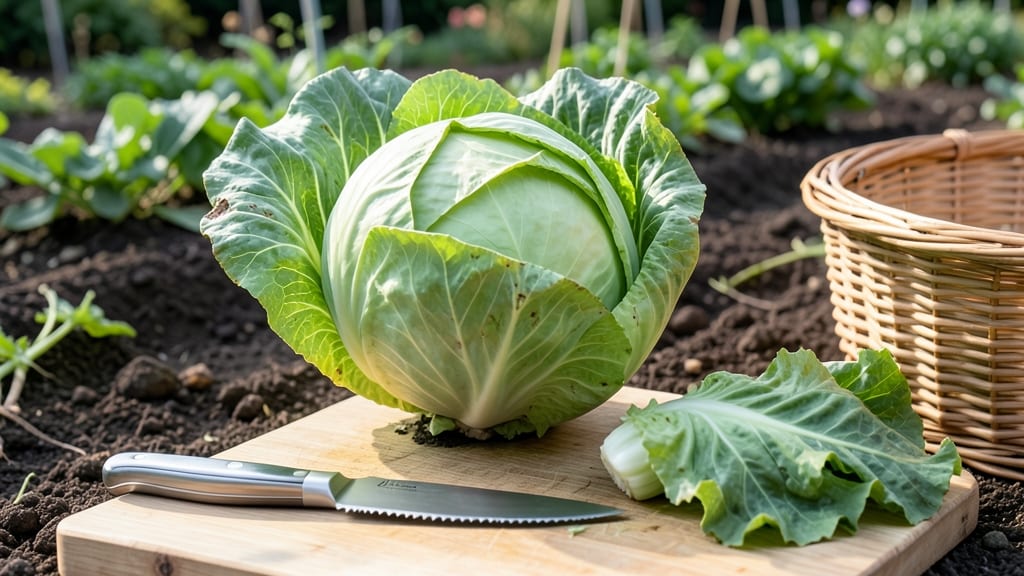
Knowing when to pick lettuce from the garden ensures crisp, flavorful greens 🥬 — but timing matters more than you might think.
Harvest too early, and you’re left with tiny leaves; wait too long, and bitterness takes over. The key is catching those outer leaves when they’re fully formed but still tender, a trick that keeps your garden producing for weeks.
Whether you’re growing butterhead, romaine, or loose-leaf varieties, knowing the exact moment to snip makes all the difference.
Most lettuce varieties are ready in 30 to 45 days, but checking the leaves—not the calendar—is what truly matters. Look for firm, vibrant leaves that are at least 4 to 6 inches long, with no signs of bolting or yellowing.
This is when your lettuce tastes its best, and the plant is still strong enough to regrow.
In this guide, I’ll walk you through the best way to test for readiness, how to harvest without damaging the plant, and why cutting just the outer leaves can mean a continuous supply all season long—no bitter disappointment included.


How to determine lettuce maturity for perfect harvest timing
Picking lettuce at the right moment transforms your garden into a crisp, flavorful salad powerhouse. Timing matters—harvest too early, and you’ll miss out on full flavor; wait too long, and you risk bitterness or bolting.
Each lettuce variety has unique maturity cues, from leaf size to texture, that signal peak harvest time.
For loose-leaf varieties, maturity often arrives in just 30-40 days, while romaine and butterhead take 45-60 days to reach ideal harvest size. The key is checking for firm leaves, vibrant color, and a sturdy core.
Let’s break down exactly what to look for in each variety to ensure you’re harvesting at the perfect moment.
🌱 Visual cues are your best friends when determining lettuce maturity. Start by examining leaf size—most varieties reach 4-6 inches long at peak harvest. Next, check the color intensity: deep green for romaine, soft yellow-green for butterhead, and rich burgundy for red varieties. Finally, give the leaves a gentle squeeze—they should feel crisp and firm, not floppy or rubbery.
Here’s a quick reference to help you identify maturity cues for each variety:
| Variety | Leaf Size | Color | Texture | Days to Maturity | Regrowth Potential |
|---|---|---|---|---|---|
| Loose-Leaf | 4-6 inches | Deep green or variegated | Crisp, tender | 30-40 days | High (cut outer leaves) |
| Butterhead | 6-8 inches (head diameter) | Soft yellow-green | Buttery, tender | 45-55 days | Moderate (harvest whole head) |
| Romaine | 8-12 inches (tall, upright) | Deep green or red | Crisp, sturdy | 50-60 days | Low (harvest whole plant) |
Don’t rely solely on days since planting—environmental factors like temperature and sunlight can speed up or slow down maturity. For example, cool spring or fall weather often delays bolting, giving you more time to harvest.
Conversely, hot summer days can cause lettuce to bolt prematurely, so prioritize shade and consistent moisture during peak heat.
If you’re growing lettuce for continuous harvests, focus on loose-leaf varieties. These thrive when you pick outer leaves every 2-3 weeks, allowing the inner leaves to keep growing. For butterhead and romaine, harvest the entire head once it reaches maturity to avoid bitterness.
Always use a sharp knife or scissors to cut stems cleanly, just above the soil line.
Taste is your final judge—sample a leaf before committing to a full harvest. If it tastes mild and sweet, you’re golden. But if it’s bitter or tough, it’s past its prime.
This is especially true for romaine, which can develop a gritty texture if left too long in the garden. Trust your palate, and you’ll never overlook the perfect harvest again.
Age matters, but so does plant health. A lettuce plant that’s 45 days old but struggling with pests or disease won’t taste as good as a 35-day-old plant thriving in ideal conditions. Always prioritize healthy growth over strict timelines. If your lettuce starts to bolt (send up flower stalks), harvest immediately—even if the leaves aren’t fully sized—to avoid wasted effort.
For extended harvests, succession plant every 2 weeks in spring and fall. This ensures a steady supply of fresh lettuce while allowing each batch to reach maturity without competition. Pair your lettuce with shade-tolerant companions like radishes or spinach to maximize space and flavor in your garden.
Remember, patience pays off—lettuce won’t rush to maturity, and neither should you. Take the time to check your plants daily during the final 10 days before expected harvest.
Watch for those crisp leaves, vibrant colors, and sturdy stems, and you’ll always know exactly when to pick for the freshest, most flavorful lettuce.
Leaf-by-leaf harvesting technique: maximizing lettuce regrowth
Harvesting lettuce the right way can extend your crop's life by weeks—even months—while ensuring you always have fresh, crisp greens. The leaf-by-leaf method is perfect for loose-leaf varieties like romaine or butterhead, letting you enjoy continuous harvests without sacrificing the plant's core.
This technique preserves the growth point so new leaves keep forming, but timing and method matter to avoid stressing your plants.
If you're growing head lettuce varieties like iceberg, you'll typically harvest the whole head at once. However, for cut-and-come-again varieties, partial harvesting is key. The secret lies in recognizing when leaves are mature enough to pick without triggering bolting (when lettuce flowers prematurely).
Let's break down the exact steps to maximize regrowth while keeping your lettuce sweet and tender.
- 1 Wait for leaves to reach 4-6 inches—this is the ideal size for harvesting outer leaves. Smaller leaves won't regrow as robustly, and larger ones may signal the plant is stressing.
- 2 Use clean, sharp scissors or pruners to snip leaves at their base, leaving a 1/4-inch stub. Avoid tearing leaves, which can introduce disease and stress the plant.
- 3 Harvest outer leaves first, working your way inward. This protects the inner growth point and encourages new leaves to form. Never remove more than 1/3 of the plant at once.
- 4 Space harvests 1-2 weeks apart to allow regrowth. In cooler weather (60°F or below), lettuce recovers faster. If temperatures rise above 75°F, expect slower regrowth and potential bolting.
- 5 Revive bolting lettuce by providing shade cloth (30-50%) and consistent watering. If the plant has already bolted, harvest the tender inner leaves before seeds form, as they’re still edible and flavorful.
For full-head harvesting, like with iceberg or romaine, wait until the entire head is firm and compact. Twist or cut the head at the base, leaving the outer leaves behind to protect the soil and deter weeds.
This method is best for late-season harvests when regrowth is unlikely due to heat or short days.
After harvesting, always fertilize lightly with a balanced 5-10-10 mix to replenish nutrients. Water deeply in the morning to reduce evaporation and stress. If your lettuce starts to yellow or wilt after harvesting, it may need more nitrogen-rich fertilizer or better soil moisture.
Mulching with straw can also help retain moisture and cool roots.
With the right technique, you can enjoy continuous lettuce harvests for up to 8-10 weeks in ideal conditions. The key is patience—rushing the process leads to bitter, tough leaves and stunted regrowth. Master this method, and you’ll never run out of fresh greens for salads again! 🥬