
Picking
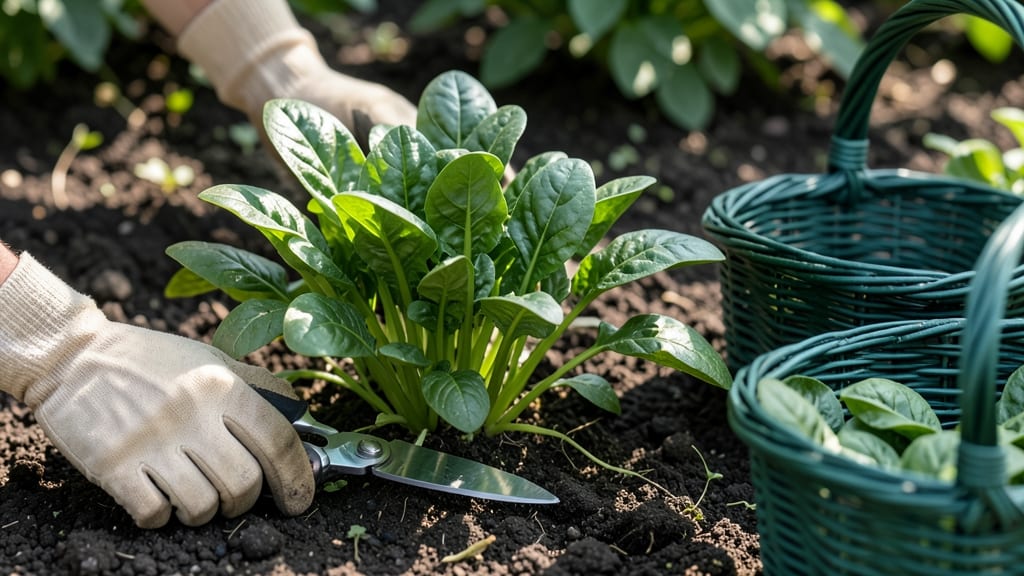
To pick spinach from your garden at the perfect moment means tender, sweet leaves and a plant that keeps producing for weeks—if you wait too long, you’ll end up with bitter, tough greens that bolt before you can enjoy them.
Picture this: you’ve nurtured your 🌱 spinach through cool spring days, and now the leaves are reaching 4-6 inches—that’s your cue. But timing isn’t just about size; it’s also about the crispness of the stems and the deep green color of the leaves.
Miss these signs, and you’ll sacrifice flavor for frustration.
Harvesting spinach the right way isn’t just about knowing when—it’s about how. By picking outer leaves first, you encourage the plant to grow more, extending your harvest window by weeks. And with the right techniques, you’ll avoid common pitfalls like bolting or overharvesting, which can ruin your crop.
In this guide, I’ll walk you through the exact stages to watch for, the best tools to use, and how to store your harvest so it stays fresh. Whether you’re in Zone 6a or beyond, these tips will ensure your spinach stays sweet and your garden keeps giving.


Spinach maturity stages: when to start harvesting for sweetest flavor
Spinach reaches its peak flavor and tenderness between 30 to 45 days after planting, but timing your harvest correctly is everything. The ideal leaf size for harvesting is 4 to 6 inches long, when the leaves are fully developed but still soft.
Waiting too long turns your spinach bitter and causes the plant to bolt—sending up flower stalks that ruin the flavor. Understanding these maturity stages ensures you enjoy sweet, crisp leaves for weeks.
Your spinach’s growth timeline depends on the variety, but most types are ready to harvest when they form a rosette of 5 to 7 mature leaves. At this stage, the leaves should be bright green and glossy, not pale or yellowing.
The key is to harvest before the plant bolts, which typically happens when temperatures rise above 75°F (24°C) or when days grow too short. Spring and fall plantings are your best bets for avoiding this.
Here’s a quick reference to help you spot the perfect time to harvest:
| Stage | Leaf Size | Color & Texture | Days to Harvest | Action |
|---|---|---|---|---|
| Seedling | 1-2 inches | Light green, tender | 14-21 | Wait—don’t harvest yet! |
| Early Growth | 2-4 inches | Darkening green, crisp | 28-35 | Start harvesting outer leaves |
| Peak Maturity | 4-6 inches | Deep green, glossy | 35-45 | Harvest for sweetest flavor |
| Late Stage | 6+ inches | Bitter, tough stems | 45+ | Avoid—plant bolts soon |
When checking for harvest readiness, focus on the leaf edges and stems. The edges should be smooth, not jagged or curling, which signals stress. Run your thumb along the stem—it should feel soft and pliable, not woody or fibrous.
If the stem snaps easily when bent, it’s time to pick. A crisp snap is your best indicator of perfect harvest timing.
For continuous harvests, never take more than one-third of the plant at a time. This practice encourages the plant to produce new leaves, extending your harvest window by 3 to 4 weeks.
Always use a clean, sharp pair of scissors or pruners to avoid damaging the plant. Cut leaves at the base, leaving the lower leaves intact to keep photosynthesis flowing.
Biting into a bolted spinach leaf is a sure sign you waited too long. Bolted plants develop a strong, peppery taste and tough texture, making them less enjoyable. To prevent this, monitor your plants closely during temperature shifts.
If your area experiences hot summer days, opt for shade-tolerant varieties like 'Bloomsdale Long Standing' or 'Tyee,' which handle heat better than others.
One of my favorite tricks is to harvest in the morning when leaves are at their peak crispness. The cool night temperatures enhance sweetness, while afternoon heat can make leaves wilt faster.
Store harvested spinach in a plastic bag lined with a paper towel in the fridge, where it’ll stay fresh for 5 to 7 days. For longer storage, blanch and freeze the leaves for up to 12 months.
If you’re growing spinach in containers or small gardens, prioritize compact varieties like 'Baby’s Leaf Hybrid' or 'Space.' These types mature faster and produce smaller leaves, perfect for leaf-by-leaf harvesting without overcrowding. In larger gardens, space plants 4 to 6 inches apart to allow airflow and reduce disease risk.
Remember, spinach is a cool-season crop, so plan your harvests around spring and fall when temperatures are mild. In Zone 6a, aim for March-April plantings for a May-June harvest or August-September plantings for an October-November harvest.
With the right timing, you’ll enjoy a steady supply of sweet, tender spinach all season long.
🌱
Leaf-by-leaf harvesting method: how to extend spinach growth for weeks
Mastering the leaf-by-leaf harvesting technique transforms spinach from a short-lived crop into a continuous producer for weeks. By targeting only the outer leaves, you encourage the plant to focus energy on regrowing tender, flavorful leaves.
This method works especially well in spring and fall when temperatures stay mild, but requires adjustments for summer heat or winter frost.
The key to success lies in timing and precision. Never remove more than one-third of the plant at once, and always use a sharp pair of pruning shears or clean knife to avoid damaging the stem.
When done correctly, your spinach plants can produce harvestable leaves for 4-6 weeks—far longer than if you cut the entire plant at once.
Here’s my step-by-step guide to leaf-by-leaf harvesting, including seasonal adjustments and storage tips to keep your spinach fresh:
Harvest only when leaves reach 4-6 inches long and are bright green and tender. Use your fingers to gently squeeze a leaf—if it snaps easily, it’s ready.
Select the largest, oldest outer leaves first. These are the most mature and won’t stunt the plant’s growth. Avoid cutting into the inner rosette of leaves.
Use sterilized scissors or pruners to snip leaves 1/4 inch above the stem. This prevents disease and encourages regrowth from the base.
Wait 7-10 days between harvests to allow new leaves to mature. In spring, you can harvest every 5-7 days; in fall, extend to 10-14 days as growth slows.
Spring: Harvest aggressively in cool weather (50-70°F) to prevent bolting. Fall: Slow down as temperatures drop below 40°F to avoid frost damage.
Wrap harvested leaves in a damp paper towel and store in a sealed plastic bag in the fridge for up to 5-7 days. For longer storage, blanch leaves for 2 minutes before freezing.
One of my biggest mistakes early on was harvesting too many leaves at once, which stressed the plant and led to slower regrowth. Now, I stick to the one-third rule and always leave the youngest inner leaves untouched.
This ensures my spinach keeps producing tender, sweet leaves for weeks instead of just a single harvest.
For spring harvests, I prioritize morning harvests when leaves are crisp and hydrated. In fall, I harvest later in the day to avoid frost damage to the remaining leaves.
Always check the weather forecast—a sudden heatwave or cold snap can trigger bolting or frost damage, ruining your crop.
With this method, you’ll enjoy a steady supply of homegrown spinach while keeping your plants healthy and productive. The secret? Patience and precision—never rush the harvest, and always leave enough leaves for the plant to recover. Your garden (and taste buds) will thank you! 🌿