
Planting
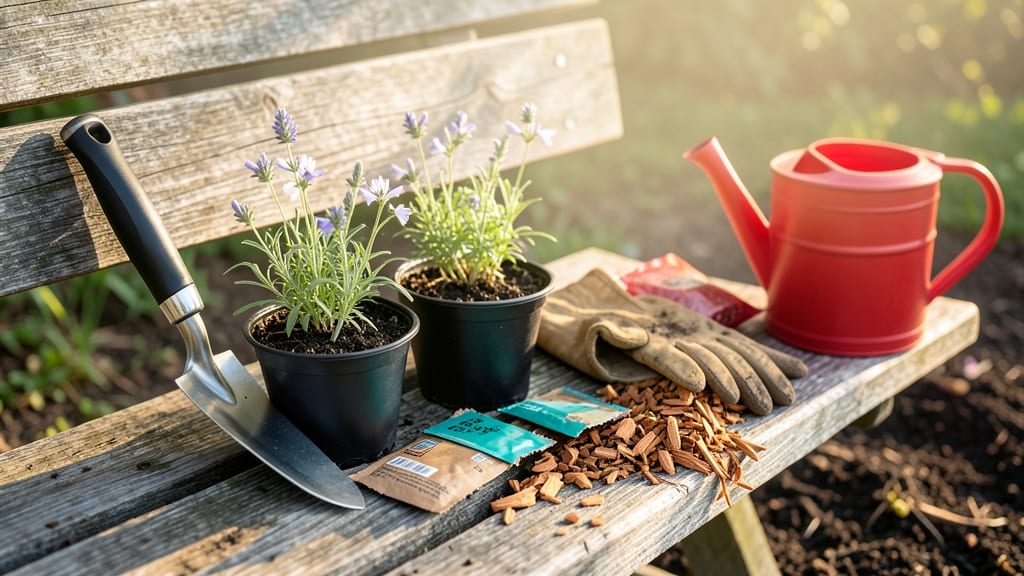
Planting a garden in Colorado means timing your seeds with the last frost—typically between late April and May, depending on your elevation zone.
But here’s the catch: Colorado’s elevation shifts can turn a perfect planting window in Denver into a risky gamble at 8,000 feet. One wrong move, and your tomatoes bolt or your spinach bolts before harvest. That’s why knowing your local frost dates—and adjusting for microclimates—isn’t just helpful, it’s essential.
This guide breaks down Colorado’s frost-free zones, from the Front Range to the Western Slope, so you can plant cool-season crops like peas and lettuce at the right time—and still squeeze in warm-season favorites like peppers and eggplants before the first frost.
You’ll learn how to prep your soil, extend your season with row covers, and pick varieties that thrive in USDA Zones 5–7. No more guessing—just a harvest you can count on.
Colorado’s frost-free dates by elevation Zone: planting windows explained
Colorado’s elevation ranges from 3,500 feet in Pueblo to over 10,000 feet in the mountains, creating wildly different planting windows. The Front Range typically sees its last frost between April 15–May 15, while high-elevation areas like Fort Collins or Steamboat Springs can wait until June 1–15.
These differences mean tomatoes planted too early in Denver might get nipped by frost, while spinach sown too late in Aspen won’t mature before winter.
Understanding your USDA hardiness zone (4–7) and local microclimate is key. For example, Grand Junction’s Zone 6 allows for earlier warm-season crops like peppers and squash, while Leadville’s Zone 4 demands cold-hardy varieties like kale or potatoes.
Even within cities, urban heat islands can push frost dates back by 1–2 weeks compared to rural areas.
🌱
For cool-season crops like lettuce or peas, you can often start planting 4–6 weeks before your last frost date. These hardy varieties thrive in 40–50°F soil and can even handle light frosts.
In contrast, warm-season crops like tomatoes and cucumbers need soil temperatures above 50°F and should wait until 2 weeks after your last frost to avoid stunted growth.
High-elevation gardeners face the toughest challenge: a shorter growing season (90–120 frost-free days). To maximize yields, focus on fast-maturing varieties (e.g., bush beans in 50 days) and use row covers or cold frames to extend the season.
In Zone 4 areas like Leadville, even potatoes and carrots may need to be started indoors or under protection to mature before frost.
🌿
If you’re unsure about your local frost dates, check the Colorado State University Extension’s frost date maps or use a local weather station like the National Weather Service. For Denver-area gardeners, the last frost date averages May 5, but urban areas can be 1–2 weeks earlier.
Meanwhile, Grand Junction’s warmer climate often allows for earlier planting of heat-loving crops like okra or sweet potatoes.
Pro tip: Use black plastic mulch or straw bales to warm soil faster in early spring. This can shave 1–2 weeks off your planting timeline for warm-season crops.
For example, in Boulder (Zone 5), covering soil with black plastic in mid-April can raise temperatures enough to plant tomatoes by May 1 instead of waiting until May 15.
Don’t forget about fall planting! Many Colorado gardeners get a second harvest by sowing cool-season crops in late summer. In Denver (Zone 5–6), you can plant spinach, kale, and radishes as early as July 15 for a fall harvest before the first frost.
High-elevation areas may need to wait until August 1 to avoid premature bolting.
✂️
To summarize: Front Range gardeners should aim for late April–early July planting, Western Slope growers can start earlier, and high-elevation gardeners must work with a shorter window.
Always match your crop selection to your zone—Zone 4 won’t tolerate peppers or eggplants without protection, while Zone 7 can handle longer-season varieties like heirloom tomatoes.
Start by identifying your local frost dates, then adjust your planting schedule accordingly. With the right timing, you’ll avoid frost damage and
How to adjust planting times for Colorado’s microclimates and soil conditions
Colorado’s microclimates can turn a simple planting schedule into a complex puzzle. Urban areas like Denver trap heat, while mountain valleys stay cooler, and windy high-altitude gardens face unique challenges. Adjusting your planting times isn’t just about frost dates—it’s about matching your garden’s conditions to the right crops and techniques.
Start by identifying your local microclimate. Urban gardens often experience heat islands that warm soil faster, while rural areas may have cooler nights. Mountain valleys can have delayed spring warming due to cold air settling. Use these insights to fine-tune your planting strategy for success.
- 1 Urban Heat Islands: Plant heat-tolerant varieties (like okra or sweet potatoes) 2–3 weeks earlier than rural areas. Use shade cloth for delicate greens.
- 2 Mountain Valleys: Delay planting warm-season crops (tomatoes, peppers) until 2 weeks after your typical last frost date. Opt for fast-maturing varieties (e.g., Cherry Tomatoes in 55 days).
- 3 Wind-Prone Areas: Use windbreaks (tall grasses, fences) and plant low-growing crops (lettuce, radishes) near shelter. Avoid tall, top-heavy plants like corn or sunflowers.
- 4 Soil Warming: Lay black plastic mulch 2–3 weeks before planting to warm soil 5–10°F faster. Remove it once soil reaches 50°F for warm-season crops.
- 5 Cold Frames: Extend seasons by 4–6 weeks in both spring and fall. Ideal for leafy greens and root vegetables like carrots and beets.
- 6 Fast vs. Slow Varieties: Choose early-maturing varieties (e.g., Bush Beans in 50 days) for high-altitude areas. Save slow growers (e.g., Winter Squash) for lower elevations.
For urban gardens, consider starting warm-season crops indoors under grow lights 4–6 weeks before your typical outdoor planting date. This gives seedlings a head start in the heat.
In mountain valleys, prioritize cold-hardy crops like kale, spinach, and peas for early planting, then transition to tomatoes and peppers once soil warms.
Wind can be a gardener’s worst enemy, especially in open prairie areas. Plant wind-resistant crops like Swiss chard or broccoli near the windward side of your garden. Use row covers or cloche tunnels to protect young plants from drying winds.
If you’re in a high-altitude zone (above 7,000 ft), focus on short-season varieties and extend your growing season with cold frames or low tunnels.
Don’t forget to test your soil before planting. Colorado’s alkaline soils often need amendments like compost or sulfur to balance pH. Warm the soil faster with black plastic mulch or straw bales in early spring. For container gardening, use heat-retaining materials like dark-colored pots to mimic warmed soil conditions.
By adjusting your planting times to match Colorado’s microclimates, you’ll maximize your garden’s potential and enjoy a longer, more productive growing season. Experiment with season-extending tools like cold frames and row covers, and always keep an eye on your local weather patterns for the best results. Happy gardening! 🌱