
Planting
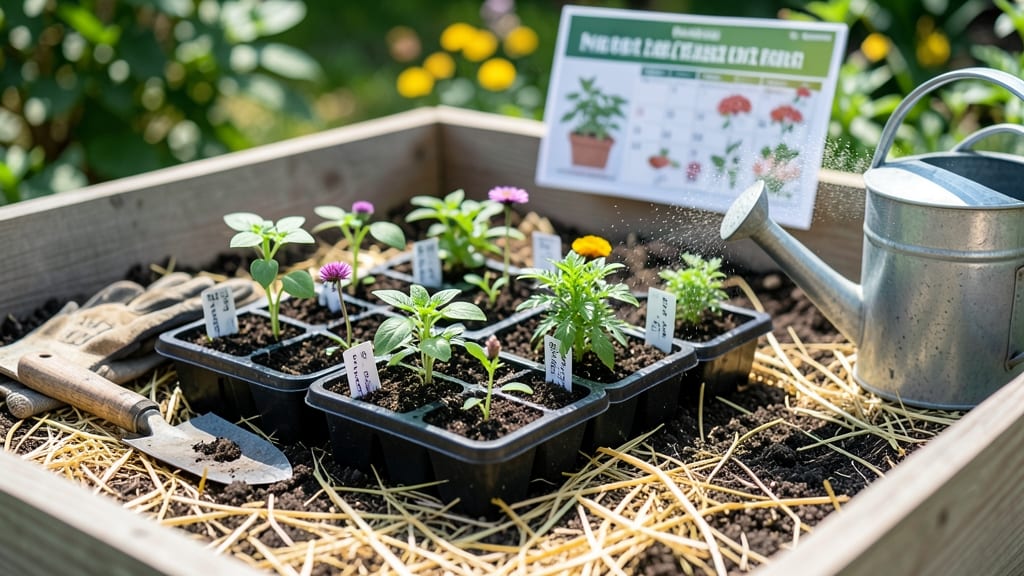
Planting a garden in Ohio at the right time means the difference between a thriving harvest and a sad, wilted mess—especially when spring’s unpredictable swings throw off your best-laid plans.
Ohio’s USDA Zones 5-6 demand precision: too early, and a late frost wipes out seedlings; too late, and summer heat roasts tender greens before they mature. This guide cuts through the guesswork with a plant-by-plant schedule that accounts for soil temps, frost risks, and Ohio’s infamous humidity.
You’ll learn how to time cool-season crops like spinach for March’s cooler days, when to tuck in heat-lovers like tomatoes after the last frost (usually April 15–May 1), and how to stretch your season with row covers or fall plantings.
Skip the trial-and-error—here’s how to align your planting with Ohio’s climate, so your garden delivers consistent harvests from spring to fall.
Ohio planting schedule by heat tolerance: cool-season vs warm-season crops
Ohio’s unpredictable spring weather makes planting timing critical—get it wrong, and your tomatoes might freeze or your lettuce bolt before harvest. The key is understanding each plant’s heat tolerance and aligning it with Ohio’s USDA Zones 5-6 frost dates.
Cool-season crops thrive in 45–65°F temps, while warm-season varieties need consistent warmth above 60°F to flourish. Below, I’ve broken down the exact planting windows for Ohio’s most popular vegetables, including frost risk alerts to help you avoid costly mistakes.
Most Ohio gardeners focus on spring planting, but don’t overlook the fall harvest—it’s your second chance for fresh produce! For example, spinach planted in late August can yield tender greens before winter sets in.
The trick is matching your planting dates to soil temperatures, not just air temps. Use a soil thermometer (available for ~$10) to confirm readiness—50°F for cool-season crops and 60°F+ for warm-season stars like peppers and cucumbers.
⚠️ NON-NEGOTIABLE: Ohio’s last frost date varies 2–3 weeks by region—April 15 in southern OH vs May 1 in northern OH. Always check the Ohio State Extension Frost Calculator before planting warm-season crops. Even a light frost can devastate tomato seedlings, so plan accordingly.
| Plant Type | Heat Tolerance | Ohio Planting Window (Zones 5-6) | Frost Risk | Key Tip |
|---|---|---|---|---|
| Lettuce, Spinach, Peas | Cool-Season (45–65°F) | March 15 – April 15 (spring) OR August 15 – Sept 15 (fall) | High (killed by >80°F) | Use shade cloth in summer for regrowth. |
| Tomatoes, Peppers, Cucumbers | Warm-Season (70–90°F) | May 1 – June 1 (after last frost, soil >60°F) | Low (damaged by <50°F) | Use row covers for early starts or wait for consistent warmth. |
| Carrots, Radishes, Beets | Moderate (50–75°F) | March 20 – April 30 (spring) OR Sept 1 – Oct 1 (fall) | Moderate (bolts at >85°F) | Direct-sow seeds—transplants struggle. |
| Green Beans, Corn, Squash | Warm-Season (65–95°F) | April 20 – May 15 (after frost, soil >55°F) | Moderate (beans tolerate light frost) | Plant corn in blocks, not rows, for better pollination. |
| 🔍 Pro Tip: Ohio’s first frost averages October 15, but mountain regions (e.g., Appalachian foothills) frost 2–3 weeks earlier. Adjust fall planting dates accordingly! | ||||
For transitional crops like bush beans and squash, the window is narrower—plant too early, and they’ll linger in cold soil; too late, and they’ll struggle with summer heat. Aim for April 20–May 15 when soil temps hit 55°F+.
A simple trick: Press your hand into the soil—if it feels warm to the touch, it’s ready for warm-season seeds. For cool-season crops, like kale or broccoli, you can push it even earlier.
I’ve had success planting cold-hardy varieties as early as March 1 under row covers, giving me a 6–8 week head start on the season.
Ohio’s summer heat (often hitting 90°F+ by July) can be just as deadly to cool-season crops as frost. Lettuce and <
5 Proven strategies to extend Ohio’s short growing season
Ohio’s growing season feels like a tightrope walk between spring frosts and summer heat waves. But with the right strategies, you can turn those challenges into opportunities for longer harvests and healthier plants.
The key is working with, not against, Ohio’s climate—whether that means protecting tender seedlings or pushing fall crops to maturity before frost. I’ve tested these methods in my own garden, and they’ve added 30–45 days to my planting windows. Let’s dive into the tactics that actually work.
First, let’s address the elephant in the garden: Ohio’s average frost-free period spans just 150–180 days. That’s barely enough time for one full harvest cycle if you’re not strategic. The good news?
By combining succession planting, season-extending tools, and heat-resistant varieties, you can effectively double that window. For example, I’ve grown bush beans in both spring and fall, and kale that survived until Christmas with minimal protection. The secret lies in timing and the right techniques.
Succession Planting
Sow fast-growing crops like radishes or lettuce every 2 weeks from March to September. Example: Plant lettuce on March 15, April 1, and August 15 for fall crops that mature before frost.
Cold Frames/Row Covers
Extend cool-season planting by 3–4 weeks. Use floating row covers to protect seedlings (e.g., spinach in March) or black plastic to warm soil for early warm-season starts (e.g., tomatoes in April).
Heat-Tolerant Varieties
Swap standard tomatoes for ‘Heatmaster’ or ‘Solar Fire’ varieties, which thrive in 90°F+ temps. For greens, try ‘Malabar Spinach’ or ‘Swiss Chard’, which bolt less easily than traditional lettuce.
Soil Warming Tricks
Speed up spring planting by covering soil with clear plastic 1–2 weeks before sowing warm-season crops. This raises soil temps by 5–10°F, helping seeds germinate faster.
Fall Planting Hacks
Treat fall like a second spring! Plant broccoli, kale, and carrots by September 1 for harvests before winter. Use a mini greenhouse (e.g., a repurposed aquarium) to overwinter tender herbs like dill.
One of my favorite low-cost strategies is using repurposed materials for season extension. Last year, I turned an old fish aquarium into a mini greenhouse for overwintering herbs. It cost me nothing and gave me fresh dill and cilantro through December.
Even a simple clear plastic bottle (cut in half and placed over seedlings) can create a microclimate that protects against late frosts. The key is monitoring soil temps—aim for 50°F+ for most cool-season crops and 60°F+ for warm-season starters.
Don’t overlook the power of shade cloth during Ohio’s summer heat waves. I’ve used 30% shade fabric over lettuce and spinach beds to prevent bolting, which has extended my harvest window by 2–3 weeks.
Pair this with drip irrigation (which keeps foliage dry and reduces fungal risks) and you’ll see a dramatic difference in plant health. For example, my Swiss chard thrives under partial shade in July, while regular lettuce would wilt within days.
Finally, let’s talk about fall planting, which is often overlooked but can be just as productive as spring. I’ve had success with broccoli and kale planted in early September, harvested by November.
The trick is choosing fast-maturing varieties (look for labels like “60-day harvest”) and using mulch to insulate roots. A thick layer of straw can keep soil temps stable and protect crops from black crust (a common Ohio issue caused by rapid freeze-thaw cycles).
Ohio’s growing season might be short, but with these strategies, you can maximize every inch of your garden. Start with one or two techniques this year—like succession planting or a cold frame—and build from there. Before you know it, you’ll be enjoying homegrown tomatoes in July and fresh gre