
Planting
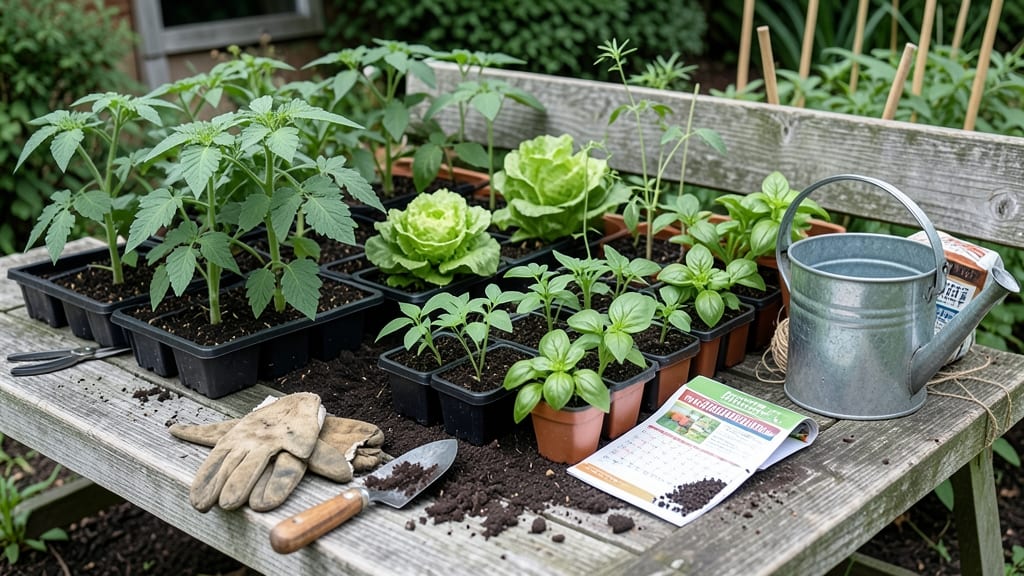
To plant a garden in Tennessee, start cool-season crops like broccoli and lettuce 4-6 weeks before your last frost—typically by mid-March in most of the state.
Tennessee’s mild winters and hot summers make it a gardener’s paradise—but planting too early or late can mean lost crops. Avoid frost damage and maximize yields by following these Zone 7A/7B planting timelines tailored for Tennessee’s unique microclimates.
Whether you’re in East Tennessee’s cooler highlands or Middle Tennessee’s warmer valleys, timing matters. Warm-season crops like tomatoes and peppers need to wait until after the last frost, usually early May, while fall plantings can stretch into September.
Below, I break down the exact planting windows for every season, regional adjustments, and how to extend your growing time with simple tricks—so you get the harvest you’ve been dreaming of.
Tennessee zone 7A/7B planting schedule: frost dates and safe start times
Tennessee’s Zone 7A/7B climate offers a long growing season with 180-220 frost-free days, but timing is everything. The last frost date typically falls between mid-April (East TN) and late April (Middle TN), while the first frost arrives in mid-October.
These windows determine when to plant cool-season crops (like lettuce and peas) versus warm-season crops (like tomatoes and peppers).
East Tennessee’s higher elevations (e.g., Knoxville) experience earlier frosts than Middle Tennessee (e.g., Nashville), so adjust your schedule accordingly. For example, cool-season crops can start 4-6 weeks before last frost, while warm-season crops need soil temps above 60°F—usually 2-3 weeks after last frost.
Let’s break it down by region and crop type.
🌱 PRO TIP: Use a soil thermometer to confirm warm-season planting readiness. Soil temps below 55°F can stunt growth, even if air temps feel warm.
| Crop Type | Planting Window (Zone 7A) | Planting Window (Zone 7B) | Notes |
|---|---|---|---|
| Cool-Season Vegetables (lettuce, spinach, peas, broccoli) | Mid-March to early May Late July to mid-September |
Late March to mid-May Late July to early October |
Start seeds indoors 4-6 weeks before last frost. |
| Warm-Season Vegetables (tomatoes, peppers, cucumbers, squash) | Mid-April to mid-May Late July to early August |
Late April to late May Late July to early September |
Wait until soil temps reach 60°F+ for direct sowing. |
| Herbs (basil, cilantro, parsley, dill) | Early April to mid-May Late July to early September |
Mid-April to late May Late July to mid-September |
Basil needs warmth; cilantro bolts in heat. |
| Flowers (marigolds, zinnias, cosmos, sunflowers) | Mid-April to mid-June Late July to early September |
Late April to late June Late July to mid-September |
Annuals thrive in full sun; deadhead for continuous blooms. |
| Perennials (lavender, coneflowers, daylilies) | Early spring (March-April) or fall (September-October) | Late March-April or September-October | Establish roots 6-8 weeks before frost. |
In East Tennessee (e.g., Chattanooga, Knoxville), cooler microclimates mean earlier frost risks. For example, Knoxville’s last frost often hits by April 15, while Nashville’s may linger until April 30.
If you’re in a valley or high-elevation area, err on the side of planting warm-season crops 1-2 weeks later to avoid surprise frosts.
For warm-season crops, succession planting is key. After your first harvest of tomatoes or peppers, replant with fast-growing varieties like bush beans or zucchini to extend your harvest until first frost. In Middle Tennessee, this often means late July sowings for a fall harvest.
🌿 REGIONAL TIP: Urban areas like Nashville can experience "heat islands"—plant heat-tolerant crops (like okra or sweet potatoes) earlier in cities than in rural areas.
Don’t forget herbs and flowers! Basil and cilantro are polar opposites: basil thrives in hot summer soil, while cilantro bolts when temps rise above 75°F.
Plant cilantro in early spring or fall, and basil after last frost. Marigolds and zinnias, on the other hand, love the heat and can handle late-summer plantings.
To extend your growing season, use row covers or cold frames for early spring plantings. These can push cool-season crops back 2-3 weeks earlier or fall crops 2-3 weeks later without frost damage. Just remove covers when temps rise above 75°F to avoid overheating.
Finally, monitor local forecasts and use historical frost data from your county extension office. Tennessee’s Zone 7A/7B flexibility means you can experiment with planting dates, but starting too early risks frost damage, while planting too late may lead to bolting or poor yields. Balance is key!
How to adjust planting times for Tennessee’s microclimates and soil conditions
Tennessee’s diverse geography—from the Appalachian Mountains in the east to the Mississippi River Valley in the west—creates microclimates that can shift planting times by weeks. Even within Zone 7A/7B, a high-elevation garden in Great Smoky Mountains National Park may need a later start than one in Memphis.
Understanding these variations helps you avoid frost damage or heat stress while maximizing your harvest.
Soil conditions also play a critical role. Clay-heavy soils in West Tennessee retain moisture longer, while sandy loams in Middle Tennessee drain quickly. Urban gardens often face heat islands that accelerate growth, while rural areas may have cooler, slower-starting conditions.
Adjusting your schedule based on these factors ensures your plants thrive from seed to harvest.
- Elevation Adjustments: Add 1 week per 1,000 feet to planting times in higher elevations (e.g., Mountain City vs. Nashville). Use row covers to protect early plantings in cooler microclimates.
- Urban Heat Islands: Cities like Nashville and Chattanooga can be 5-10°F warmer than rural areas. Start warm-season crops (tomatoes, peppers) 1-2 weeks earlier and cool-season crops (lettuce, spinach) 1-2 weeks later.
- Soil Drainage: Amend clay soils with compost or sand to improve drainage. In sandy soils, use mulch and drip irrigation to retain moisture for slower-starting seedlings.
- Container Gardening: Containers warm up faster than ground soil. Plant warm-season crops 2 weeks earlier and cool-season crops 2 weeks later compared to in-ground planting.
- Extend Seasons: Use row covers to push spring plantings 3-4 weeks earlier and cold frames to extend fall harvests by 4-6 weeks. Succession planting every 2-3 weeks ensures continuous yields.
- Soil Temperature: Wait until soil reaches 60°F for warm-season crops (like cucumbers) and 50°F for cool-season crops (like kale). Use a soil thermometer to avoid guesswork.
- Local Frost Data: Check Almanac frost dates for your specific county. For example, East Tennessee may see frost until mid-May, while West Tennessee is typically frost-free by mid-April.
For example, if you’re growing tomatoes in Knoxville (elevation 900 ft), wait until mid-May to transplant seedlings, but in Jackson (elevation 300 ft), you can start as early as early April.
Similarly, urban Nashville gardens may support basil year-round with protection, while rural Dickson County gardens might need to overwinter basil in pots.
Container gardening adds another layer of flexibility. Since pots heat up faster, I’ve successfully grown peppers in Memphis containers by March 15, while my in-ground garden in Columbia wasn’t ready until April 1. Always monitor soil temperature and adjust watering—containers dry out 2-3x faster than ground soil.
Don’t forget succession planting to keep your garden productive. In Zone 7B, I plant bush beans every 3 weeks from May to July, ensuring a steady harvest. For cool-season crops, I use row covers to plant spinach in September and still harvest by November.
By tailoring your planting schedule to your specific microclimate and soil, you’ll enjoy longer harvests, healthier plants, and fewer losses—no matter where in Tennessee you garden. 🌱