
Planting
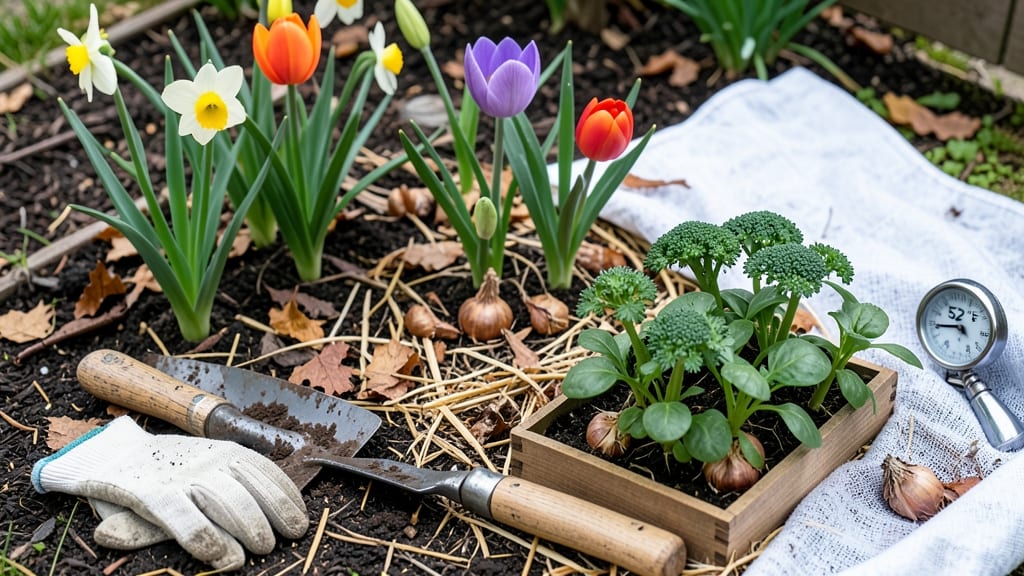
Planting a garden in Tennessee at the wrong time can turn your hard work into a wasted effort, but timing it right means a thriving harvest from spring through fall.
Tennessee’s mild winters and hot summers create a gardener’s paradise—but planting at the wrong time can mean wasted seeds and stunted growth. Missing the frost-free window in USDA Zone 7a could cost you a full harvest, so timing is everything.
Spring is your best bet, with soil warming up by mid-March in most areas, but East Tennessee’s cooler microclimates may need a later start. Fall planting works too, as long as you get seeds in by late August before the first frost.
Below, I break down the exact planting windows for vegetables, flowers, and perennials—plus how to adjust for Tennessee’s unpredictable weather and regional differences.
Tennessee’s frost-free window in USDA Zone 7a: exact planting dates by season
Tennessee’s USDA Zone 7a offers a generous 180-day frost-free window, typically spanning from mid-April to mid-October. This means gardeners can grow a wide variety of cool-season and warm-season crops with careful planning.
The average last frost date is April 15, while the first frost usually arrives October 15—but these dates can shift by 2-3 weeks depending on elevation and microclimates.
Understanding your exact planting windows is key to avoiding frost damage and maximizing yields. For example, cool-season crops like lettuce and peas thrive when planted 4-6 weeks before the last frost, while warm-season crops such as tomatoes and peppers need soil temperatures above 60°F to germinate successfully.
Below, we’ll break down the best times to plant by season, including backup dates for unpredictable years.
| Season | Planting Window | Key Crops | Soil Temp Requirement | Notes |
|---|---|---|---|---|
| Spring | March 15 - April 30 | Lettuce, Spinach, Peas, Broccoli, Onions | 45-65°F | Plant cool-season crops 4-6 weeks before last frost. Use row covers for early starts. |
| Late Spring | May 1 - May 15 | Tomatoes, Peppers, Eggplant, Cucumbers | 60-70°F | Wait until soil warms to avoid transplant shock. Use black plastic mulch to speed warming. |
| Summer | June 1 - July 31 | Sweet Corn, Beans, Okra, Southern Peas | 70-85°F | Focus on heat-tolerant varieties. Mulch to retain moisture during dry spells. |
| Fall | August 15 - September 30 | Kale, Collards, Carrots, Radishes, Spinach | 50-60°F | Plant succession crops for late harvests. Use frost blankets for extended growing. |
| Backup Dates | April 1 - May 10 / Sept 1 - Oct 1 | All crops | Varies | Adjust for early/late frosts. Monitor local weather forecasts closely. |
For spring planting, start with cool-season crops in March, even if you use row covers to protect tender seedlings.
By April, you can transition to warm-season crops like tomatoes and peppers once soil temperatures consistently stay above 60°F. A simple soil thermometer makes this easy to track—aim for 65°F for peppers and 70°F for tomatoes to ensure strong germination.
Summer in Tennessee demands heat-tolerant varieties and consistent moisture. Plant southern peas and okra in June for a late-summer harvest, and always mulch to prevent soil from drying out.
If you notice wilting leaves by noon, it’s time to water deeply—aim for 1-2 inches per week during peak heat. Drip irrigation is ideal for conserving water while keeping roots cool.
Fall planting is often overlooked but can yield high-quality harvests with minimal effort. Start broccoli and cabbage in late July for a fall harvest, and spinach and lettuce in early August.
These crops thrive in cooler temperatures and can often survive light frosts. Use frost blankets to extend the season by 2-3 weeks, especially for leafy greens.
If you’re in a high-risk year with early or late frosts, adjust your planting dates by 2-3 weeks. For example, if frost arrives by October 1 instead of October 15, shift your fall planting to July 15 instead of August 15.
Local Cooperative Extension offices provide frost date updates—bookmark their resources for real-time adjustments.
Pro tip: Succession planting maximizes your harvest window. For example, sow radishes every 2 weeks from March through September to ensure a continuous supply. This technique works for bush beans, lettuce, and carrots too,
Best crops to plant in Tennessee by month: month-by-month guide
Tennessee’s diverse climate lets you grow almost year-round, but monthly timing determines success. Cool-season crops thrive in spring and fall, while heat-lovers like okra and sweet potatoes dominate summer. I’ve planted everything from cool-loving lettuce to heat-tolerant peppers—here’s what works when.
March is your transition month. Start cool-season crops like peas and spinach after the last frost (usually mid-April). Harden off tomato and pepper seedlings indoors for May planting. Avoid planting warm-season crops too early—they’ll bolt in unpredictable spring temps.
April is prime for spring planting. Sow carrots, radishes, and broccoli early in the month. By late April, transplant tomatoes, peppers, and eggplants after soil warms to 60°F+. Use row covers if frost threatens—it’s happened in May before!
🌱 Month-by-Month Planting Highlights
- March: Start cool-season crops (lettuce, peas) after last frost (avg. April 15). Harden off tomato/pepper seedlings.
- April: Plant broccoli, carrots, radishes early. Transplant tomatoes/peppers by month-end when soil hits 60°F+.
- May: Sow beans, cucumbers, squash. Succession plant lettuce for fall harvest.
- June: Direct-sow okra, sweet potatoes, southern peas. Mulch tomatoes to retain moisture.
- July: Plant fall crops (kale, spinach) for September harvest. Avoid planting warm-season crops—they’ll struggle in heat.
- August: Sow cool-season seeds (radishes, turnips) for fall. Transplant broccoli/cauliflower 8 weeks before first frost.
- September: Plant garlic, onions, and cover crops (clover, rye). Last chance for spinach and kale.
- October: Focus on perennials and bulbs (tulips, daffodils). Mulch tender perennials (lavender, rosemary) before frost.
June is peak summer planting. Direct-sow okra, sweet potatoes, and southern peas—they thrive in Tennessee’s 90°F+ heat. Mulch tomatoes and peppers to keep roots cool. Avoid planting cool-season crops like lettuce—they’ll bolt faster than you can say “heatwave.”
July might feel too hot, but it’s perfect for fall crops. Start kale, spinach, and radishes for a September harvest. Use shade cloth if temps exceed 95°F. This is also your last chance to transplant broccoli and cauliflower—they need 8 weeks to mature before frost.
September is your second-chance month. Plant garlic and onions for next year’s harvest. Sow cover crops like clover to protect soil. If you missed spinach and kale in August, try them now—they’ll tolerate light frosts better than spring plantings.
October shifts focus to perennials and bulbs. Plant tulips, daffodils, and lavender for next spring. Mulch tender perennials (like rosemary) with 4–6 inches of straw to insulate roots. Avoid planting annuals—they won’t survive winter.