
Planting
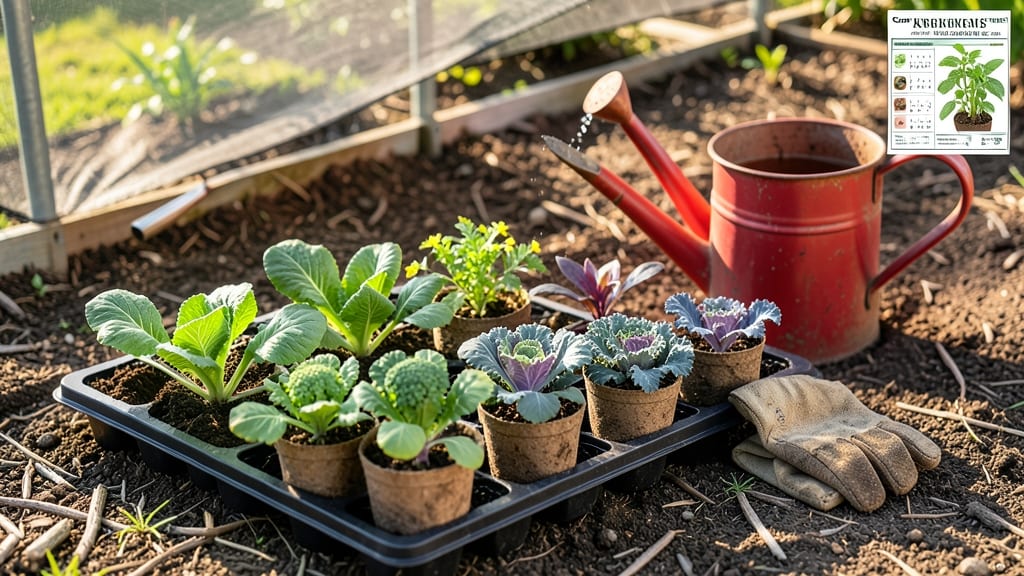
Planting a vegetable garden in California at the right time means the difference between a thriving harvest and a sad, wilted mess — and the timing varies wildly from the coast to the desert.
California’s diverse microclimates—from coastal fog to desert heat—mean planting your vegetable garden at the wrong time can turn your green dreams into wilted disappointment. But with the right timing, you can enjoy year-round harvests without frost worries.
Whether you’re in USDA Zone 8 or Zone 11, the key is knowing when soil warms, when frost risks fade, and which crops thrive in each season. I’ll break down the exact windows for coastal, valley, and desert regions so you can plant with confidence.
You’ll learn how to stretch your growing season, which vegetables to plant when, and the simple tricks that keep your garden productive from spring through fall.
California’s planting zones by region: coastal vs. desert vs. valley timing
California’s diverse microclimates create unique challenges—and opportunities—for gardeners. While the USDA zones range from 7b to 11, your local frost dates and summer heat intensity can vary dramatically within just 50 miles.
Coastal areas like San Francisco and Santa Barbara enjoy mild winters, while the Central Valley and desert regions (like Palm Springs) face extreme temperature swings. Understanding these differences is key to avoiding frost damage or heat stress in your vegetable garden.
For example, coastal frost-free dates often arrive by January 1st, while inland valleys may wait until March 15th. Desert regions like Death Valley never experience frost, but summer heat can exceed 110°F, making heat-tolerant crops essential.
Let’s break down the best planting windows for each region to maximize your harvest.
| Region | USDA Zone | Avg. Last Frost | Avg. First Frost | Best Spring Planting | Best Fall Planting |
|---|---|---|---|---|---|
| Coastal (e.g., San Francisco, Santa Barbara) | 9-10 | January 1 - February 15 | November 15 - December 15 | February 15 - April 15 (cool crops) | August 1 - September 15 (warm crops) |
| Central Valley (e.g., Sacramento, Fresno) | 9-10 | March 1 - March 15 | November 15 - December 1 | March 15 - April 30 (warm crops) | July 15 - August 30 (cool crops) |
| Desert (e.g., Palm Springs, Joshua Tree) | 10-11 | No frost (year-round) | No frost (year-round) | February 1 - March 31 (shade cloth) | September 1 - October 31 (shade cloth) |
| Sierra Foothills (e.g., Chico, Napa) | 7b-9 | April 1 - April 15 | November 1 - November 15 | April 15 - May 15 (warm crops) | July 1 - August 15 (cool crops) |
If you’re gardening in coastal California, like San Diego or Monterey, you can start cool-season crops like lettuce and kale as early as January. The mild winters and coastal fog create a unique environment where broccoli and cauliflower thrive even in December.
However, tomatoes and peppers should wait until March to avoid chilly nights.
In contrast, the Central Valley—home to Sacramento and Fresno—has a longer growing season but requires earlier starts for warm-season crops.
Plant tomatoes and squash in late March to ensure they mature before summer heat peaks. Succession planting is key here: sow beans every 2 weeks from April to July for continuous harvests.
The desert regions, such as Palm Springs and Riverside, are frost-free year-round, but intense heat demands special care. Use shade cloth (30-50%) to protect leafy greens from 100°F+ temperatures. Plant heat-tolerant varieties like Malabar spinach or Okinawan sweet potatoes in
Best vegetables to plant by season in California (with zero-frost success rates)
California’s zero-frost zones and diverse microclimates let you grow vegetables year-round, but timing is everything. Cool-season crops like lettuce and broccoli thrive in mild winters, while heat-lovers such as tomatoes and peppers demand summer’s warmth. The key? Planting at the right time to avoid bolting or heat stress.
For coastal areas (e.g., San Francisco), winter planting is ideal for greens, while Central Valley gardeners can extend seasons with succession planting. Desert regions like Palm Springs focus on summer crops to avoid extreme heat. Let’s break down the best seasonal vegetables for each climate zone.
| Vegetable | Best Planting Season | Sun Needs | Zero-Frost Success Rate | Succession Tip |
|---|---|---|---|---|
| Lettuce | Fall/Winter (Oct-Mar) | Partial Sun (4-6 hrs) | 95% (coastal) | Sow every 2 weeks |
| Tomatoes | Spring/Fall (Mar-May, Aug-Sept) | Full Sun (6-8 hrs) | 90% (Valley) | Prune for air flow |
| Peppers | Spring (Apr-May) | Full Sun (6+ hrs) | 85% (desert) | Use shade cloth in summer |
| Broccoli | Fall/Winter (Sept-Nov) | Full Sun (5-6 hrs) | 92% (coastal) | Harvest side shoots |
| Green Beans | Spring/Summer (Mar-Jun) | Full Sun (6-8 hrs) | 88% (Valley) | Plant in trellis |
Start with cool-season crops like lettuce and broccoli in fall (Sept-Oct) for winter harvests. These thrive in 50–65°F soil and bolt if temperatures rise above 75°F. For spring planting, focus on tomatoes and peppers after last frost (typically March–April in most regions).
Succession planting is your secret weapon. For example, sow lettuce every 2 weeks from fall to early spring to avoid gaps. Similarly, green beans can be planted in March and June for staggered harvests. In desert regions, prioritize shade-tolerant varieties like Malabar spinach to beat the heat.
Heat-tolerant crops like okra and sweet potatoes shine in summer’s peak (June–Aug). These zero-frost survivors handle 90°F+ soil with ease. For fall planting, kale and carrots love cooling temps and can be sown as late as August in coastal areas.
Pro tip: Use mulch to regulate soil temps and drip irrigation to conserve water. In coastal fog zones, row covers can extend spring harvests by 3–4 weeks. With these strategies, you’ll enjoy continuous harvests without frost worries.
🌱💧