
Planting
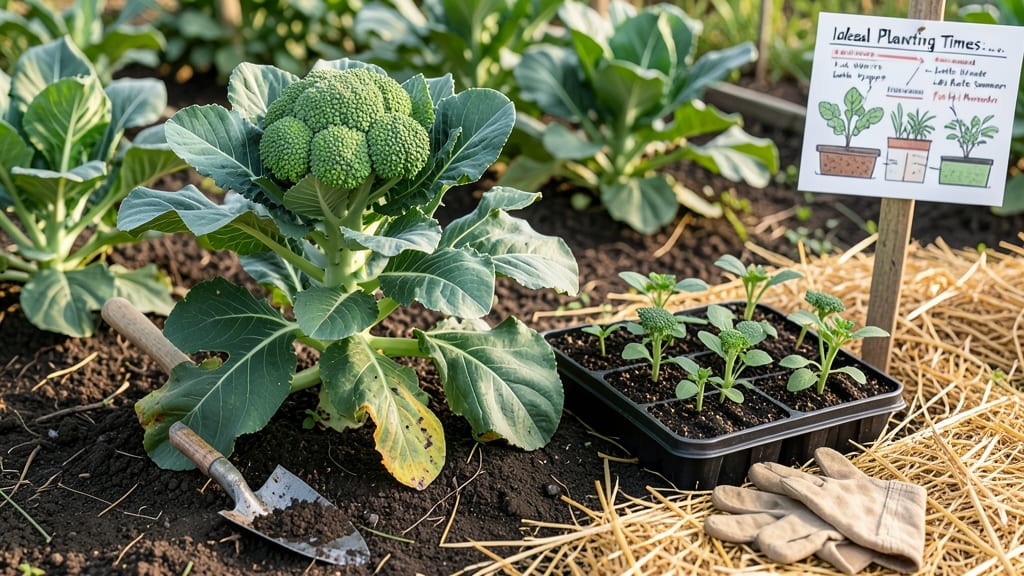
To plant a vegetable garden in Northern California, timing matters more than you might think—cool coastal breezes and inland heatwaves create wildly different windows for success.
Picture this: your Bay Area neighbors are sowing carrots in January while their Sacramento friends wait until March, all because of microclimates that shift frost dates by weeks. Get this wrong, and you’re staring at bolted lettuce or wilting tomatoes before they even set fruit.
This isn’t just about avoiding frost—it’s about matching your soil’s warmth to each crop’s needs. Warm-season veggies like peppers need 60°F+ soil, while cool-season greens thrive when nights dip below 50°F.
I’ll break down the exact start dates for your region, whether you’re tucked in the fog belt or baking in the Central Valley.
By the end, you’ll know not just when to plant, but how to adjust for late frosts, heatwaves, and even the marine layer’s sneaky chill. Ready to turn your 🌱 patch into a year-round harvest?
Northern California planting zones: start dates by microclimate (coastal vs. Valley vs. foothills)
Northern California’s microclimates create dramatic differences in planting success. The coastal fog of San Francisco (USDA Zone 7b-9a) delays warm-season crops by weeks compared to Sacramento’s Central Valley (Zone 9b-10a), where summer heat arrives early.
Even the Sierra foothills (Zone 7b-8a) experience cooler nights. Understanding these variations ensures your tomatoes, peppers, and lettuce thrive—not just survive.
Your planting window hinges on two critical dates: the average last frost (when warm-season crops can safely go in) and the soil temperature (must reach 60°F+ for seeds to germinate).
Coastal areas like Santa Cruz often see frost until March 15, while Sacramento typically warms up by March 1. These differences can mean the gap between a thriving garden and a failed experiment.
Below is your microclimate-specific planting guide, tailored for frost-sensitive crops (like tomatoes and peppers) and cool-season veggies (such as lettuce and broccoli). Use these dates as your baseline, then adjust based on your local weather forecasts and soil conditions.
For coastal gardens, start warm-season crops like tomatoes and peppers no earlier than April 15—even if your neighbor in Sacramento planted theirs in March.
The marine layer keeps soil cool longer, delaying germination. Use row covers or a cold frame to extend your season if you’re eager to plant earlier.
In the Central Valley, where heat arrives early, prioritize shade cloth for seedlings to prevent bolting. Lettuce and spinach bolt (go to seed) by late May, so succession plant every 2 weeks from February through April for continuous harvests.
The Valley’s longer growing season also allows for double-cropping—plant radishes in early spring, then follow with cucumbers after the last frost.
The Sierra foothills present unique challenges with cooler nights and shorter summers. Plant peppers and eggplants in May to ensure they mature before first frost in November. Opt for early-maturing varieties like ‘Early Girl’ tomatoes (55 days) or ‘Sweet Banana’ peppers (60 days) to maximize your harvest window.
Pro tip: Monitor soil temperature with a soil thermometer—warm-season crops need soil at 60°F+ for 7+ days before planting. Coastal soils may stay 50°F even in May, while Valley soils can hit 70°F by March. Adjust your schedule accordingly to avoid seed rot or poor germination.
Don’t overlook cool-season crops like broccoli and kale, which thrive in fall and winter. In coastal zones, plant broccoli from August through September for harvests before first frost.
Inland areas can extend this window until October. Use mulch to protect roots from temperature swings and retain moisture.
Finally, embrace succession planting to stretch your harvests. For example, sow bush beans every 2 weeks from May through
Month-by-month planting schedule for Northern California’s most productive vegetables
Northern California’s diverse microclimates mean your planting schedule should shift based on whether you’re in coastal fog zones, the Central Valley’s heat, or the Sierra foothills’ cooler nights.
The key is aligning your seedling starts and direct sowing with last frost dates (typically January 15 for coastal areas and December 15 inland) and soil temperatures.
For example, warm-season crops like tomatoes need to wait until soil hits 60°F+, while cool-season crops like kale thrive in 50°F soil.
To maximize your harvest, focus on succession planting—sowing seeds in batches every 2-3 weeks for crops like lettuce, radishes, and beans. This ensures a continuous supply instead of one-time bounty.
Pair this with companion planting, like basil with tomatoes (which improves flavor) or carrots with onions (which deters pests). These strategies turn a single planting into a year-round harvest.
- January-February: Plant cool-season crops like broccoli, cabbage, and peas (direct sow or transplant seedlings). Strawberries can go in now for an early spring harvest. Soil temps should be 45-55°F.
- March-April: Start tomato, pepper, and eggplant seedlings indoors (they need 8-10 weeks before transplanting). Direct sow carrots, lettuce, and radishes outdoors as soon as soil is workable (50°F+).
- May: Transplant warm-season seedlings (tomatoes, peppers, cucumbers) after last frost when soil reaches 60°F+. Direct sow beans, corn, and squash. Use row covers for early plantings in coastal areas.
- June-July: Sow succession crops like bush beans, zucchini, and summer lettuce every 2 weeks. Harvest early crops (radishes, lettuce) to make space. Mulch heavily to retain moisture during summer heat.
- August-September: Plant fall broccoli, cabbage, and spinach for winter harvests. Start cool-season seedlings indoors if you have space. Avoid planting warm-season crops now—they’ll struggle with cooler nights.
- October-November: Direct sow garlic, onions, and peas for spring harvests. Transplant overwintering kale and carrots. Cover young plants with frost cloth if freezes are forecasted.
- December: Plan your winter garden by ordering seedlings and seeds early. Amend soil with compost and cover crops (like clover) to improve next year’s soil health. Mulch beds heavily to protect roots from winter rains.
One of my biggest mistakes was planting tomato seedlings too early in the Central Valley, only to have them bolt in the heat before producing fruit. Now, I wait until mid-May when soil temps are stable at 65°F+.
For coastal gardeners, extend your season by using cold frames or row covers to protect warm-season crops from late spring frosts.
Pro tip: Adjust your schedule based on local weather patterns. For example, Santa Ana winds can dry out soil quickly in fall, while the marine layer keeps coastal areas cooler longer.
Keep a garden journal to track what works best in your specific spot—this is how you’ll fine-tune your planting calendar year after year.
Finally, don’t overlook soil preparation. Before planting, amend your beds with aged compost and a balanced fertilizer (like 10-10-10) to give crops a nutrient boost.
For heavy clay soils (common in the Central Valley), mix in sand or peat moss to improve drainage. Healthy soil means healthier plants and higher yields.