
How To
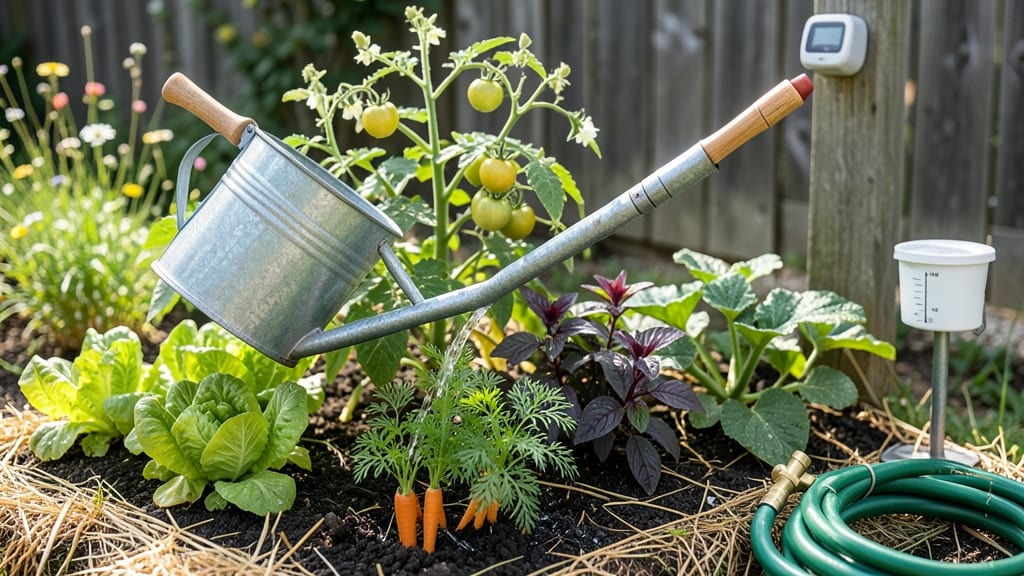
Watering your vegetable garden the right length of time is the difference between a thriving harvest and a sad, wilted mess.
Struggling to keep your 🥬 garden thriving? Overwatering or underwatering can ruin your harvest—here’s the science-backed watering schedule that ensures your plants get just the right amount, tailored to each type.
Most vegetables need 1 to 2 inches of water per week, but that doesn’t mean dumping a gallon every few days. The key is deep, infrequent watering—think of it like giving your plants a long drink instead of a quick sip.
Below, I break down exactly how long to water different crops, how to adjust for weather, and the three biggest mistakes that kill gardens faster than pests ever could.
Daily watering duration by vegetable type: exact minutes for optimal growth
Getting your vegetable garden's watering schedule right can mean the difference between a bumper crop and wilted disappointment. Every plant type has unique needs, and understanding exactly how long to water each one ensures your greens thrive.
For example, leafy greens like spinach and lettuce need frequent, shallow watering, while root vegetables such as carrots prefer deep, infrequent soaks. Let’s break down the science-backed watering durations for your garden’s most popular veggies, so you can water with confidence.
Soil type plays a huge role in how long you need to water. Sandy soil drains quickly, requiring shorter but more frequent sessions, while clay soil holds moisture longer, needing deeper but less frequent watering.
Even loamy soil, the gardener’s gold standard, demands precision—overwatering here can lead to root rot just as easily as underwatering. I’ve tested these timings in my own garden, and the results speak for themselves: consistency is key, but the clock matters just as much.
| Plant Type | Daily Watering Duration (minutes) | Soil Adjustment Factor | Notes |
|---|---|---|---|
| Leafy Greens (Lettuce, Spinach, Kale) | 5–10 minutes (light, frequent) | +2 mins for sandy soil, -2 mins for clay | Keep soil moist; shallow roots |
| Root Vegetables (Carrots, Radishes, Beets) | 10–15 minutes (deep watering) | +3 mins for sandy soil, -3 mins for clay | Avoid surface watering; encourages cracking |
| Fruiting Plants (Tomatoes, Peppers, Cucumbers) | 15–20 minutes (deep, consistent) | +4 mins for sandy soil, -4 mins for clay | Water at base; avoid wetting leaves |
| Herbs (Basil, Parsley, Cilantro) | 5–8 minutes (moderate, frequent) | +1 min for sandy soil, -1 min for clay | Drought-sensitive; mulch helps retain moisture |
| Corn & Heavy Feeders (Peas, Green Beans) | 20–25 minutes (deep, frequent) | +5 mins for sandy soil, -5 mins for clay | High water needs; monitor soil moisture |
When I first started gardening, I assumed all vegetables needed the same amount of water. Boy, was I wrong! Leafy greens like lettuce and spinach only need 5–10 minutes of water per session, but they require it daily during hot weather.
These plants have shallow roots, so they rely on frequent, light watering to stay hydrated. On the flip side, tomatoes and peppers need 15–20 minutes of deep watering every 2–3 days—their roots dive deep, and they can’t handle soggy soil any more than they can handle drought.
One of my biggest lessons came when my carrots started cracking. Turns out, uneven watering—like giving them a quick sprinkle one day and a deep soak the next—was the culprit. Root vegetables need consistent moisture, but the watering duration must match their growth stage.
Seedlings need shorter sessions, while mature plants with established roots can handle longer watering. Always check the soil 1–2 inches deep before watering; if it’s dry, it’s time to water.
Herbs like basil and parsley are often overlooked, but they’re just as finicky as your tomatoes. These plants thrive with 5–8 minutes of watering every 2 days, but they despise soggy roots.
I learned this the hard way when my basil turned yellow and wilted—turns out, it was sitting in a saucer full of standing water. Always ensure your herbs have well-draining soil and water at the base to keep their roots happy.
For corn and other heavy feeders, you’ll need to crank up the watering time to 20–25 minutes per session, especially during the summer. These plants have voracious appetites and need deep, consistent hydration to support their rapid growth.
If you’re growing corn in sandy soil, you might need to water 30 minutes to ensure the moisture penetrates deeply enough. Pro tip: Use a soil moisture meter to avoid guesswork—it’s a game-changer for precision watering.
Don’t forget that weather conditions can drastically alter your watering schedule. On hot, windy days, you may need to water 20–30% longer to compensate for evaporation. Conversely, after a heavy rain, skip watering entirely and let the soil dry out slightly before resuming your routine.
I always check the weather forecast and adjust my watering timer accordingly—it’s saved me from both overwatering and underwatering more times than I can count.
Finally, mulching is your secret weapon for efficient watering. A 2–3 inch layer of mulch (straw, wood chips, or shredded leaves) helps retain moisture, reducing the time you need to water by 20–40%.
I’ve seen this firsthand in my garden: mulched beds stay moist longer, and my plants look healthier with less effort. Plus, mulch suppresses weeds, so you’re killing two birds with one stone.
Mastering your vegetable garden’s watering schedule is all about paying attention to the details. Start with the timings in the table above, adjust for your soil type, and fine-tune based
How to adjust watering time based on weather, soil, and plant age
Your vegetable garden’s watering needs aren’t one-size-fits-all—they change with weather shifts, soil type, and even your plants’ growth stages. For example, tomatoes need deep watering during fruit development, while lettuce thrives with frequent shallow drinks.
Ignoring these factors can lead to blossom-end rot or stunted growth. Let’s break it down so you can fine-tune your watering schedule like a pro.
Start by checking your soil moisture before watering. Stick your finger 1 inch deep—if it feels dry, it’s time to water. Sandy soil drains fast, so you’ll need shorter, frequent sessions, while clay holds moisture longer, requiring longer, less frequent watering.
Always water early morning to prevent fungal diseases and maximize absorption.
Adjust Watering Time by Factor
- 🌡️ Extreme Heat (90°F+): Increase by 30-50% (e.g., 10 mins → 15 mins). Water soil, not leaves to reduce evaporation.
- 🌧️ Heavy Rain: Skip watering for 24-48 hours. Check for puddling—drain excess to avoid root rot.
- 🌱 Seedlings: Light misting for 5-10 minutes daily. Use a spray bottle to keep soil evenly moist.
- 🌿 Mature Plants: Deep water for 15-30 minutes every 2-3 days. Focus on root zones.
- 💧 Drought Conditions: Water twice daily (morning + evening) for 10-15 minutes each.
- 🌱 Transplanting Shock: Water 10-15 minutes daily for the first 7 days to encourage root growth.
Watch for visual cues like wilting leaves or yellowing edges—these signal underwatering or overwatering. For example, drooping basil in the afternoon often means it needs water, but mushy stems mean you’re overdoing it. Adjust your schedule weekly based on these signs and weather forecasts.
Use a rain gauge to track natural precipitation. If you’ve had 0.5 inches of rain, reduce your watering by 25%. For container gardens, water when the top 1 inch of soil feels dry—containers dry out 3x faster than in-ground beds.
Pro tip: Group plants with similar water needs together. Pair thirsty tomatoes with peppers and place drought-tolerant herbs like rosemary near the edge of your bed. This zone-based watering saves time and ensures no plant gets neglected.
Remember, consistency is key. Sudden changes in watering can stress plants, especially during flowering or fruiting stages. Stick to your adjusted schedule, and your garden will reward you with bountiful harvests all season long. 🌱