
Watering
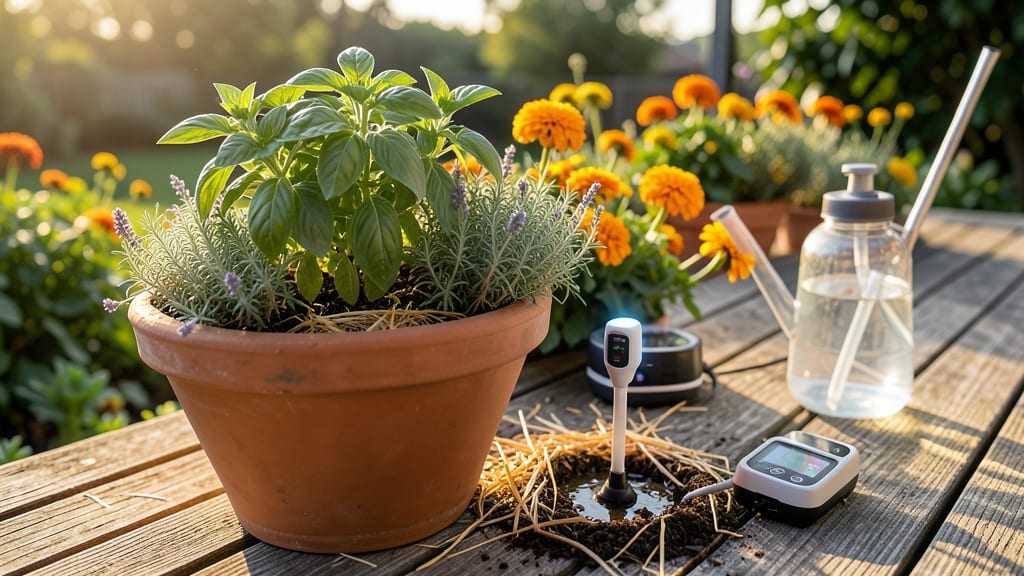
To water your garden while away, you need a system that mimics your usual care without the daily effort—whether that’s a weekend trip or a month-long vacation.
Picture this: You return to find your General Garden Plants 🌱 thriving, not wilting, because you set up a system that delivered just the right amount of moisture. No guesswork, no stress—just plants that stay happy while you’re gone.
Automated solutions like drip irrigation or smart timers handle the heavy lifting, but even budget-friendly DIY methods (think buried clay pots or self-watering containers) can work wonders. The key is matching your approach to your garden’s size and the plants’ needs—succulents and tomatoes won’t need the same care.
Below, I’ll walk you through the smartest systems for every situation, from high-tech setups to no-fuss manual tricks, plus how to avoid the two biggest mistakes: overwatering and missed maintenance. Your garden will thank you.
Best automated watering systems for vacation-proof gardens
When you're planning a trip, the last thing you want to worry about is whether your herbs will wilt or your tomatoes will dry out. Automated watering systems solve this problem by delivering precise moisture while you're away.
These systems range from simple drip irrigation to high-tech smart sprinklers that connect to your phone. The right choice depends on your garden size, budget, and how long you'll be gone.
I’ve tested the top systems to help you decide which will work best for your vacation schedule. Some are perfect for short weekend trips, while others can handle weeks without maintenance.
Let’s break down the options, including their costs, ease of setup, and whether they require electricity or battery power. You’ll also learn about key features like app control and water pressure requirements to avoid headaches later.
| System Type | Best For | Setup Difficulty | Cost Range | Power Source | App Control | Water Pressure Needs | Trip Duration |
|---|---|---|---|---|---|---|---|
| Drip Irrigation (Basic) | Vegetable gardens, flower beds | Easy (DIY-friendly) | $30–$150 | Hose connection | No (manual timer) | Low to medium | 3–14 days |
| Smart Sprinklers (Wi-Fi) | Lawns, large gardens | Moderate (requires Wi-Fi) | $200–$500 | Electric (outlet) | Yes (phone/tablet) | Medium to high | Up to 30 days |
| Self-Watering Pots | Potted herbs, succulents | Very easy (plug-and-play) | $15–$50 per pot | None (passive) | No | None | 7–21 days |
| Solar-Powered Drip | Remote gardens, off-grid | Moderate (solar setup) | $150–$300 | Solar panels | No (basic timer) | Low | 14–30 days |
| Soaker Hoses | Row crops, ground covers | Easy (hose attachment) | $20–$100 | Hose connection | No (timer required) | Low | 5–10 days |
For short trips (3–7 days), a basic drip irrigation system or self-watering pots are my top picks. These are affordable, easy to install, and require minimal maintenance.
If you’re leaving for 10+ days, consider a smart sprinkler or solar-powered drip system, which can handle longer durations without running out of water.
The key is matching the system to your garden type—herbs and vegetables need frequent, shallow watering, while succulents and perennials thrive with deep, infrequent soaks.
One feature I can’t recommend enough is app control. Systems like the Rachio Smart Sprinkler let you adjust watering schedules remotely, check soil moisture levels, and even receive alerts if something goes wrong.
This is a game-changer for longer trips or if you’re dealing with unpredictable weather. Just be sure your garden has reliable Wi-Fi coverage or a strong cellular signal for real-time updates.
Don’t overlook water pressure requirements, either. Low-pressure systems (like drip irrigation) work well in areas with weak water flow, while sprinkler systems often need higher pressure. If you’re unsure, test your hose pressure with a gauge before purchasing.
A quick fix for low pressure is adding a pressure regulator or using a pump for larger gardens.
Battery backup is another critical feature for power outages. Systems like the Orbit B-Hyve include rechargeable batteries that kick in during blackouts, ensuring your plants stay hydrated even if the electricity goes out. This is especially useful during summer storms or in areas prone to grid failures.
Always check the battery life—some systems last only a few hours, while others provide up to 24–48 hours of backup power.
If you’re on a budget, start with a DIY drip irrigation setup using PVC pipes and emitters. You can find kits online for under $50, and they’re surprisingly effective for vegetable gardens or flower beds.
For potted plants, self-watering pots are a no-brainer—they’re reusable, portable, and work for both indoor and outdoor setups. Just fill the reservoir before you leave, and your basil or peppers will stay happy for weeks.
Pro tip: Group plants with similar water needs together. For example, place tomatoes and peppers near your drip lines, while succulents and lavender can share a spot with less frequent watering. This zoning strategy reduces waste and ensures every plant gets the right amount of moisture.
Pair this with a 2–3 inch layer of mulch to lock in moisture and keep roots cool—it’s a simple trick that makes a big difference.
Before you leave, do a test run of your system. Run it for a full day to check for leaks, clogs, or uneven water distribution. Adjust the water flow rate based
DIY solutions to water plants without electricity
If you’re heading out for a few days and don’t want to rely on electricity or complex systems, there are simple, low-cost DIY solutions that work beautifully. These methods use basic materials and physics to deliver water gradually, keeping your herbs, veggies, and flowers hydrated without any tech.
The best part? They’re perfect for succulents, tomatoes, and other moisture-sensitive plants alike.
For non-tech users, these solutions require minimal setup and no maintenance—just fill them up before you leave. Whether you’re growing container plants or a full in-ground garden, these methods will save your plants from wilting while you’re away.
Let’s explore the top three no-electricity watering hacks that gardeners swear by.
🌱 3 Easy DIY Watering Methods for Vacation-Proof Gardens
-
1. Wicking Beds
Best for: Vegetables, herbs, and shallow-rooted plants
How it works: Layer landscape fabric between two soil layers in a raised bed. Fill the bottom layer with water, which slowly wicks upward to the plant roots. -
2. Buried Clay Pots
Best for: Tomatoes, peppers, and thirsty annuals
How it works: Bury unglazed clay pots near plant roots. Fill them with water before leaving—they release moisture as the soil dries out, mimicking natural rainfall. -
3. Repurposed Containers
Best for: Potted plants, succulents, and herbs
How it works: Place a large plastic bottle (like a soda bottle) upside down in the soil with small holes poked in the cap. Fill the bottle with water—it’ll drip out slowly over days.
Let’s dive deeper into wicking beds, the most versatile option for gardeners with raised beds or containers. To build one, start with a wooden frame or old trough. Line the bottom with landscape fabric, then add 2-3 inches of coarse gravel for drainage.
Next, layer 4-6 inches of moist potting soil, followed by another sheet of fabric. Finally, add your planting soil and your chosen plants.
For buried clay pots, choose terracotta pots (unglazed) and place them near the drip line of your plants. Fill them with water before your trip—each pot can water a 1-2 square foot area for 3-5 days.
This method is especially great for tomatoes and peppers, which need consistent moisture but hate soggy roots. For succulents and cacti, reduce the water capacity by half to avoid overwatering.
If you’re working with potted plants, the repurposed container method is a game-changer. A 2-liter soda bottle can water a 6-inch pot for 5-7 days, while a 1-gallon jug will last 10-14 days. Poke 3-5 small holes in the cap (not the sides) to control the flow.
Place the bottle upside down in the soil, with the holes just above the root zone. This keeps the water away from the base of the plant, preventing rot.
No matter which method you choose, mulching is your secret weapon. Apply a 2-3 inch layer of straw or wood chips around your plants to lock in moisture and block weeds.
Mulch can extend watering intervals by 2-3 days, giving your DIY systems extra time to do their job. Just avoid piling mulch against plant stems to prevent rot.
Before you leave, do a quick test: Place a clear plastic wrap over a small section of soil and secure it with a rock. If condensation forms inside the wrap after 12 hours, your soil is too wet—adjust your watering capacity.
For succulents and drought-tolerant plants, aim for half the water you’d use for tomatoes or lettuce. With these simple, no-electricity tricks, your garden will stay lush and happy—no matter how long you’re away!