
Planting
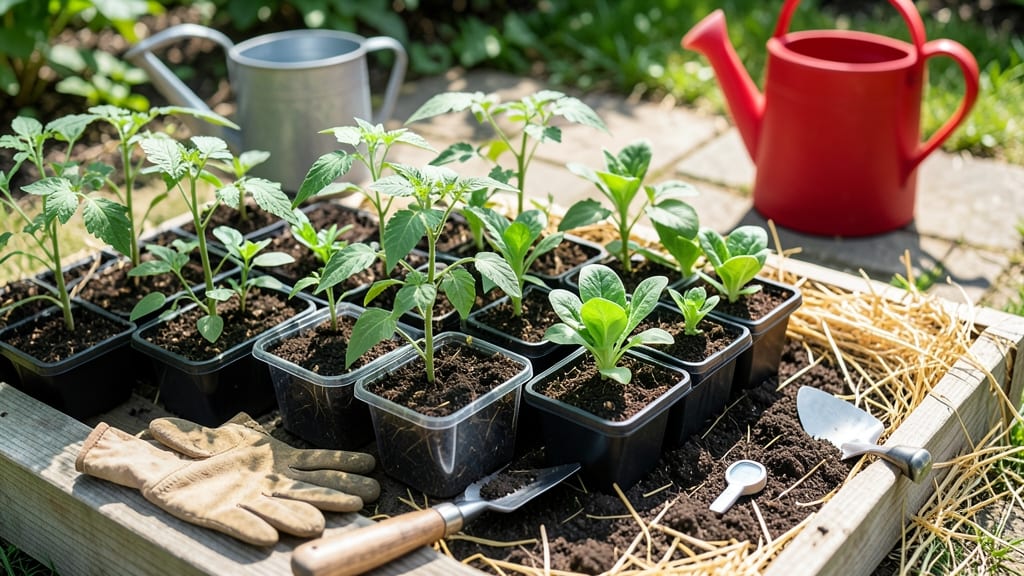
To plant a vegetable garden in NJ, time it between mid-April and early June — but the exact window depends on whether you’re growing cool-season or warm-season crops.
Timing your vegetable garden planting in New Jersey can mean the difference between a bountiful harvest and wasted effort—especially with NJ’s unpredictable spring frosts and short growing seasons.
Most of the state falls under USDA Zones 6-7, where last frost dates vary from early April in the southern coastal areas to mid-May in the northern hills.
Cool-season greens like spinach and broccoli thrive when planted as early as March, while tomatoes and peppers need to wait until after the last frost.
Below, I’ll break down the best planting windows for your region, how to adjust for late frosts, and which vegetables to prioritize each month to maximize your harvest.
NJ frost-free dates by region: when to plant cool-season vs warm-season crops
New Jersey's last frost dates vary dramatically across its three regions—North, Central, and South—creating a 3-4 week difference in when you can safely plant warm-season crops. Understanding these microclimates helps you avoid frost damage to tender plants like tomatoes and peppers while maximizing your cool-season harvests of lettuce and spinach.
For example, North Jersey (USDA Zone 6) typically sees its last frost around April 20-30, while South Jersey (Zone 7) often warms up by April 10-20.
Central Jersey falls in between, with April 15-25 as the average. These dates are critical for determining when to direct-sow seeds or transplant seedlings.
| Region | Last Frost Date | First Frost Date | Cool-Season Crops (Plant 4-6 wks before last frost) | Warm-Season Crops (Plant 2 wks after last frost) |
|---|---|---|---|---|
| North NJ (Zone 6) | April 20-30 | October 15-25 | Lettuce: March 15-April 15 Spinach: March 1-April 10 Broccoli: March 15-April 10 |
Tomatoes: May 10-20 Peppers: May 15-25 Squash: May 10-20 |
| Central NJ (Zone 6-7) | April 15-25 | October 10-20 | Lettuce: March 1-April 15 Spinach: February 28-April 5 Broccoli: March 1-April 15 |
Tomatoes: May 1-10 Peppers: May 10-20 Squash: April 25-May 10 |
| South NJ (Zone 7) | April 10-20 | October 5-15 | Lettuce: February 20-April 10 Spinach: February 15-April 1 Broccoli: February 20-April 5 |
Tomatoes: April 20-May 5 Peppers: April 25-May 10 Squash: April 15-May 5 |
| Note: Adjust dates 1-2 weeks earlier for low-lying areas or 1 week later for sheltered microclimates. | ||||
Your cool-season crops like lettuce and spinach thrive when planted 4-6 weeks before your region's last frost date. For North Jersey, this means starting seeds indoors by mid-March or sowing directly in late March.
In South Jersey, you can begin as early as late February for a head start on spring harvests.
For warm-season crops, wait until 2 weeks after your last frost date to transplant seedlings. This ensures soil temperatures reach the 55-65°F range needed for tomatoes and peppers to thrive.
In North Jersey, this typically means mid-May, while South Jersey gardeners can plant as early as late April.
Broccoli and other cool-hardy brassicas can handle light frosts, so you can plant them 2-3 weeks before your last frost date. However, transplant shock from cold soil can stunt growth, so always amend soil with compost and use row covers for extra protection during late frosts.
Squash and other fast-maturing warm-season crops can sometimes be planted 1-2 weeks earlier than the recommended window, especially in South Jersey. Their large leaves help them warm up quickly, but always monitor nighttime temperatures—dropping below 50°F can damage young plants.
Remember that microclimates play a huge role in NJ gardening. A south-facing slope might warm up 1-2 weeks earlier than your average last frost date, while a low-lying area could experience frost 10-14 days later. Use frost cloth or row covers to extend your growing season in these areas.
For reliable frost dates, check Rutgers Cooperative Extension or local weather stations, as NJ's climate has shifted with earlier springs in recent years. Always have backup row covers ready—unpredictable late spring frosts can still occur in May, even after your average last frost date.
Pro tip: Use biodegradable seed starters for warm-season crops in North Jersey to give peppers and tomatoes a 4-6 week head start indoors. This helps them reach transplant size just as your soil warms up in late May.
How to adjust planting times for NJ’s unpredictable weather: extending the growing season
New Jersey’s unpredictable spring frosts and late-season heat waves can throw off even the most careful gardeners. The key to success? Flexible planting strategies that account for Mother Nature’s whims.
Whether you’re dealing with a late frost in May or a cool snap in September, these tactics will help you extend your growing season and maximize your harvest.
Start by monitoring local frost dates—North Jersey’s last frost typically arrives around May 10-20, while South Jersey sees it 2-3 weeks earlier. But don’t rely on averages!
Use Rutgers Cooperative Extension’s frost maps and set up frost alarms to stay ahead. Even a single night below 32°F can devastate tender seedlings, so preparation is everything.
- Use row covers to protect cool-season crops like lettuce and spinach from light frosts (28-32°F).
- Set up cold frames for hardy greens (kale, Swiss chard) to grow 4-6 weeks earlier in spring.
- Start warm-season crops (tomatoes, peppers) indoors 6-8 weeks before last frost for a head start.
- Practice succession planting—sow radishes every 2 weeks for continuous harvests.
- Use black plastic mulch to warm soil 5-10°F faster in spring for early plantings.
For cool-season vegetables like broccoli and cabbage, plant in late summer (August-September) for a fall harvest before first frost. These crops thrive in 50-65°F soil and can tolerate light frosts, making them ideal for NJ’s shortened summer days.
Cover young plants with frost blankets if temperatures dip below 30°F to prevent damage.
When dealing with late springs, prioritize fast-maturing varieties like bush beans (50 days) or radishes (25 days). These can be direct-sown after soil warms to 60°F+, even if frost dates are delayed.
For tomatoes and peppers, which need 70-85°F soil, use heat mats or plant in black plastic-lined beds to jumpstart growth.
Don’t forget succession planting—this is your secret weapon against NJ’s short growing season. Instead of planting all your lettuce or carrots at once, stagger sowings every 2-3 weeks for a continuous supply.
For example, plant spinach in early April, then again in late July for a fall harvest before frost.
Finally, harvest strategically to preserve your garden’s productivity. Pick leafy greens like kale before they bolt, and harvest tomatoes when they’re fully colored but still firm to avoid early-season rot.
By adjusting your approach to match NJ’s unpredictable climate, you’ll turn challenges into opportunities for a longer, more abundant harvest. 🌱