
Planting
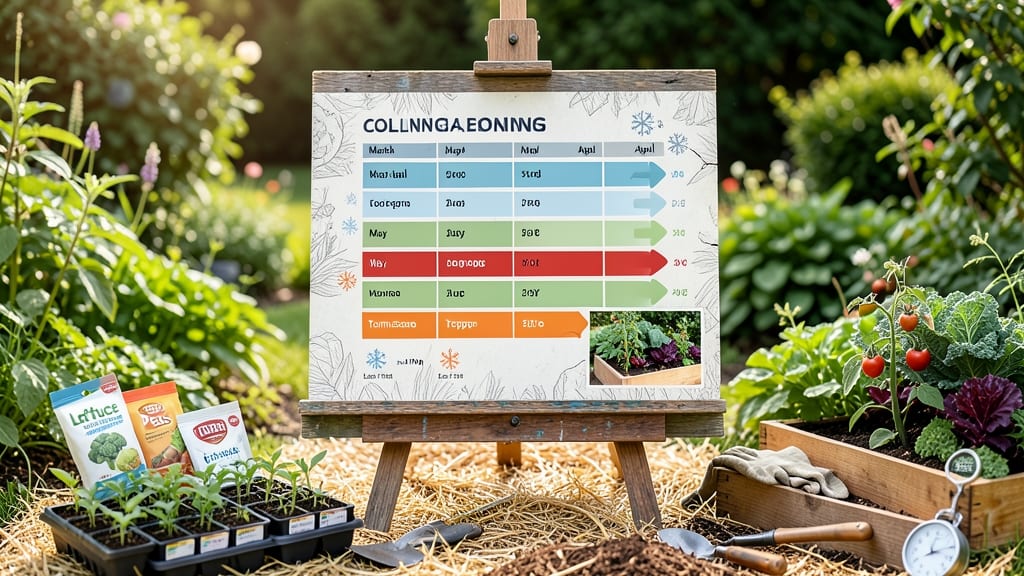
Planting a vegetable garden in Seattle at the right time means the difference between a bountiful harvest and a sad pile of frost-nipped seedlings.
Seattle’s unpredictable weather can make or break your 🥬 garden—planting at the wrong time risks frost damage or stunted growth. Timing is everything, and knowing the last frost dates for your specific crops ensures a thriving harvest from spring to fall.
With USDA Zone 8a conditions, your best windows are mid-March to mid-May for cool-season crops and late July to early September for warm-season varieties.
But even those dates shift with microclimates—urban heat islands warm up faster than rural areas, and a single cold snap can turn a perfect planting day into a disaster.
In this guide, I’ll walk you through the exact planting schedule for Seattle’s top vegetables, how to adjust for your specific location, and the pro tips to extend your growing season—so you can enjoy fresh tomatoes in July and kale in November.
Seattle’s last frost dates and ideal planting windows by month
Seattle’s last average frost date typically falls between April 15 and May 15, while the first frost usually arrives between October 15 and November 15. These dates create a 165-day frost-free growing season, perfect for both cool-season and warm-season crops.
However, microclimates—especially in urban areas—can shift these windows by 2-3 weeks, so always check local forecasts.
For cool-season crops like lettuce, spinach, and peas, I start seeds indoors 4-6 weeks before the last frost (around March 1). These hardy plants thrive in 50-65°F soil temperatures and can even handle light frosts.
Warm-season crops like tomatoes, peppers, and cucumbers, however, need to wait until after May 15 when soil temperatures consistently stay above 60°F.
Urban gardeners in Seattle neighborhoods often experience warmer microclimates due to concrete and buildings, which can delay frost by 1-2 weeks. Rural areas, on the other hand, tend to cool faster.
To adjust, I recommend using WSU Extension’s frost date maps or setting up a minimum-maximum thermometer in your garden for real-time data.
Here’s a quick reference for month-by-month planting windows in Seattle, tailored to both cool-season and warm-season crops:
| Month | Cool-Season Crops (Direct Sow) | Warm-Season Crops (Transplant/Start Indoors) | Soil Temp (°F) | Notes |
|---|---|---|---|---|
| February | Peas, spinach, lettuce | Start tomatoes, peppers indoors | 40-50°F | Use row covers for frost protection |
| March | Carrots, radishes, kale | Transplant onions, broccoli | 45-55°F | Harden off seedlings before transplanting |
| April | Beets, cabbage, Swiss chard | Direct sow beans, corn | 50-60°F | Watch for late frosts; use cloches if needed |
| May | Successive plantings of lettuce | Transplant tomatoes, peppers | 60-70°F | Wait until soil is consistently warm |
| June | None (heat-sensitive) | Sow cucumbers, squash | 65-75°F | Mulch to retain moisture |
| July | Start fall broccoli indoors | Plant sweet potatoes | 70-80°F | Begin succession planting for fall |