
Planting
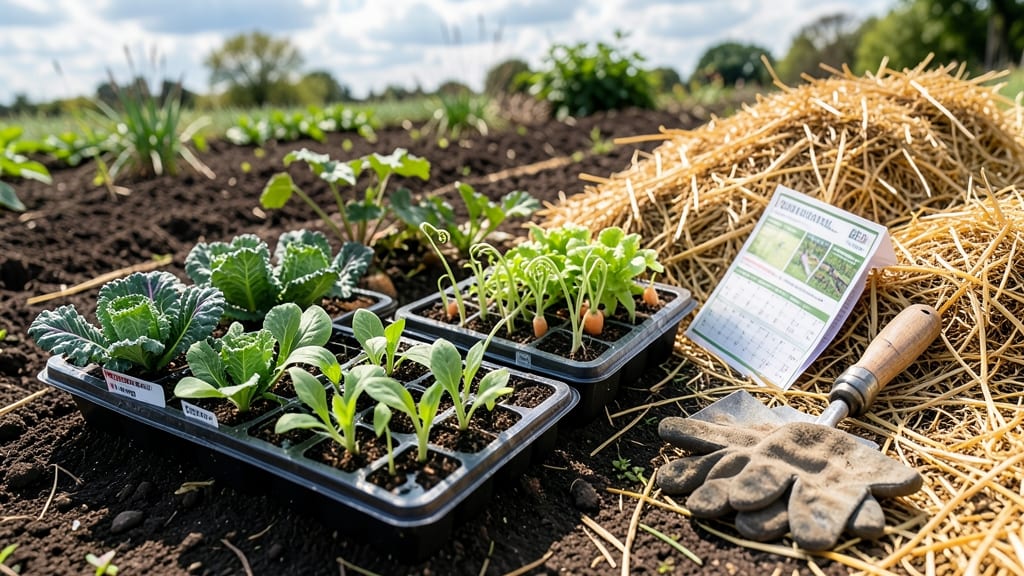
Plant your vegetable garden in Seattle between mid-April and early June to avoid late frosts and maximize your harvest 🌱—timing is everything when the weather shifts from drizzle to sun in just a few weeks.
Seattle’s unpredictable weather can turn a gardener’s dream into a frost-burned nightmare—but knowing the exact planting windows for your microclimate means zero-frost risk and a bountiful harvest. Here’s how to time it perfectly.
Whether you’re starting seeds indoors in March or direct-sowing peas in early spring, the key is matching your crops to Seattle’s unique climate. Cool, wet winters and mild summers mean some vegetables thrive in early spring while others need to wait until late May.
In this guide, you’ll discover the ideal planting schedule for your neighborhood, how to extend the growing season with simple hacks, and which vegetables grow best in Seattle’s damp, mild conditions.
Seattle’s frost-free planting zones: when to start seeds vs. transplants
Seattle’s USDA Zone 8/9 climate creates a delicate balance for gardeners—cool, wet springs paired with mild summers mean timing is everything. The U-District typically enjoys 2-3 weeks earlier last frost dates than South Seattle due to urban heat islands, while areas near the Cascades foothills can experience delayed warming.
For most of the city, the average last frost date falls between April 15–May 1, but microclimates shift these windows dramatically.
Understanding whether to start seeds indoors or direct-sow outdoors depends on your neighborhood’s frost risk and the cold-hardiness of your chosen vegetables. Cool-season crops like kale, peas, and lettuce can handle light frosts and often thrive when planted 4–6 weeks before your last frost date.
Meanwhile, warm-season plants such as tomatoes, peppers, and basil need soil temperatures above 60°F and should only go outdoors after May 15 in most areas.
Here’s your Seattle-specific planting timeline, tailored to the most popular vegetables and their ideal indoor seed-starting or outdoor sowing windows. Use this as your frost-free planting guide to avoid common mistakes like overwintering seedlings or underestimating heat needs.
| Vegetable | Start Seeds Indoors | Transplant Outdoors | Direct Sow Outdoors | Notes | ||||||||||||||||||||
|---|---|---|---|---|---|---|---|---|---|---|---|---|---|---|---|---|---|---|---|---|---|---|---|---|
| Peas | Feb 15–Mar 1 | Mar 20–Apr 10 | Apr 1–May 15 | Tolerates light frost; sow successionally | ||||||||||||||||||||
| Lettuce | Mar 1–Apr 15 | Apr 1–May 1 | Mar 15–Sep 15 | Bolt-resistant varieties for summer | ||||||||||||||||||||
| Tomatoes | Mar 1–Apr 1 | May 15–Jun 1 | N/A (needs warmth) | Use row covers for early starts | ||||||||||||||||||||
| Peppers | Feb 15–Mar 1 | May 20–Jun 1 | N/A (needs warmth) | Slow to mature; start early | ||||||||||||||||||||
| Kale | Mar 1–Apr 15 | Apr 1–May 1 | Mar 15–Sep 1 |
Microclimate-specific planting calendar: adjust for urban heat islands and rain shadowsSeattle’s climate isn’t one-size-fits-all—urban heat islands like Ballard can be 3–5°F warmer than rain-shadowed areas near the Cascades. This shift means your planting windows could vary by 2–4 weeks, turning a late frost into a missed harvest or a premature bolting. Understanding these microclimates lets you time cool-season crops (like kale and peas) for maximum growth while protecting tomatoes and peppers from early chills. For example, Ballard’s last frost typically arrives 2 weeks earlier than in South Seattle, while rain shadows near Issaquah may delay frost until mid-November. Warm-season crops like bell peppers thrive in Ballard’s heat but may struggle in cooler pockets like Green Lake. Below, I’ve mapped out the exact adjustments you need to make for your neighborhood—plus a month-by-month checklist to keep your garden on track. 📌 Key Adjustments: - Urban heat islands (Ballard, Fremont): Start warm-season seeds 2 weeks earlier and transplant 1 week sooner. - Rain shadows (Issaquah, North Bend): Delay warm crops by 2–3 weeks and extend cool-season harvests into late October. - Coastal areas (West Seattle): Plant 1–2 weeks later—cooler temps slow germination.
Use this month-by-month checklist to align your planting with Seattle’s shifting microclimates. For cool-season crops, prioritize March–April sowing in urban areas, while rain-shadow zones can push back until mid-April. Warm-season crops like tomatoes should wait until mid-May in cooler areas but can start early May in heat islands. Always monitor soil temperatures—aim for at least 50°F for warm crops and 40°F for cool-season starts. Pro tip: Succession plant lettuce and radishes every 2 weeks in May–June to extend harvests. In urban heat islands, shade cloth (30–50%) protects spinach from bolting, while row covers in rain shadows safeguard cucumbers from late frosts. Test your soil’s pH and fertility in early spring—Seattle’s acidic soils often need lime or compost for optimal growth. Remember, microclimates aren’t static. Track your garden’s performance each year—note when frost hits, how fast soil warms, and which crops thrive in your spot. With these adjustments, you’ll beat Seattle’s weather and enjoy a longer, more reliable harvest** than your neighbors. |