
Planting
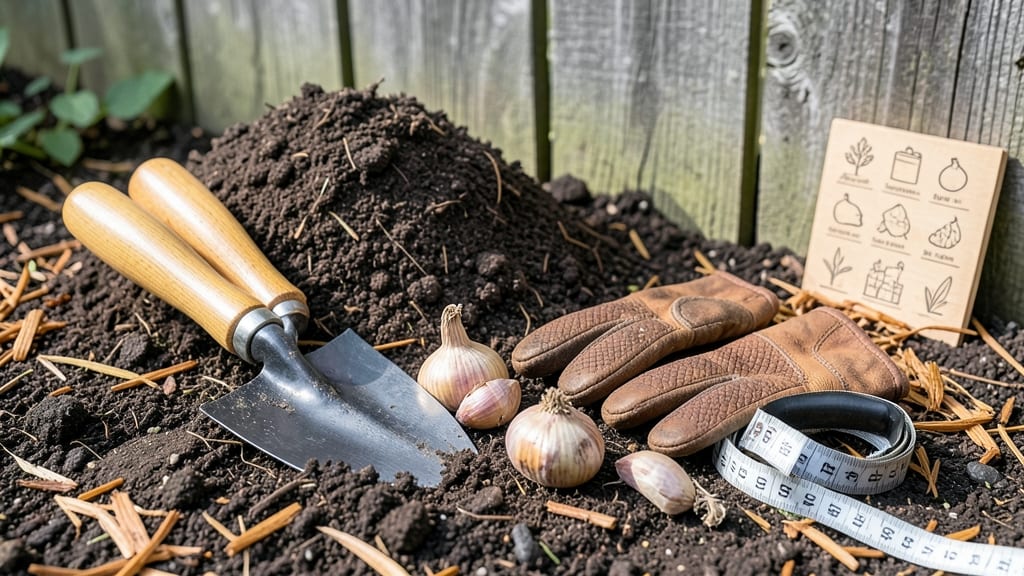
To plant bulbs in the garden at the right time means the difference between a spring explosion of color and a season of disappointment.
Timing is everything when planting bulbs—get it wrong, and your spring blooms could vanish before they even appear. But with the right schedule tailored to your hardiness zone, you can ensure vibrant tulips, daffodils, and hyacinths that burst forth year after year.
In Zone 6a, where frost typically arrives by mid-November, fall planting is your best bet—6 to 8 weeks before the ground freezes. Spring planting is also an option, but it requires careful timing to avoid stunted growth or missed blooms.
Below, I’ll break down the exact months for your zone, how to adjust for early or late seasons, and the top mistakes that ruin even the most well-intentioned plantings.
Best months to plant bulbs by USDA hardiness zone
Planting bulbs at the right time ensures strong root development before winter or spring's growing rush. Your USDA hardiness zone dictates the perfect window—too early, and bulbs rot; too late, and they won’t bloom.
For spring-flowering bulbs like tulips and daffodils, fall planting is key, while fall-flowering varieties like crocuses thrive in early spring. Let’s break it down by zone so you can time it perfectly.
Most gardeners focus on fall planting for spring blooms, but your exact timing depends on when your first frost arrives. In Zones 3-5, you’ll plant earlier than in Zones 8-10, where mild winters allow later windows.
Soil temperature also matters—bulbs need 60°F or cooler to trigger root growth. Use this zone-by-zone guide to avoid common mistakes like planting too late or in warm soil.
In Zones 3-4, where winters are harsh, aim to plant tulips and daffodils by mid-October to give roots time to establish before the ground freezes. Soil temperatures should hover around 50°F—use a soil thermometer if unsure.
For Zones 5-6, extend your window slightly later, but don’t wait past November 1, or bulbs may not root deeply enough before winter sets in.
Gardeners in Zones 7-8 have more flexibility due to milder winters, but planting too late (after December 15) risks weak blooms. Focus on cool-season bulbs like crocuses, which tolerate slightly warmer soils.
In Zones 9-10, where winters are almost nonexistent, plant in late fall or even early winter—just ensure soil stays below 70°F to prevent premature sprouting.
Pro tip: Check your last frost date and plant bulbs 6-8 weeks beforehand. For example, if your first frost is November 15, plant by September 30 in Zone 4.
Use a moon planting calendar for extra guidance, but prioritize soil temperature over lunar phases. Mulch after planting to insulate bulbs and retain moisture during winter.
For spring-planted bulbs like fall-blooming crocuses, time it so they’re in the ground by early spring (March–April in most zones). These bulbs need 4-6 weeks of cool soil before active growth begins.
If your spring arrives late, opt for hardier varieties like snowdrops, which tolerate cooler soils longer. Always plant in well-draining soil to prevent rot—amend clay soil with compost or sand if needed.
Common mistakes include planting in warm soil (above 60°F) or waiting until the ground is frozen. Test soil temperature with a thermometer or your finger—if it’s too warm, wait a week or two.
Overcrowding bulbs also stunts growth; space them 3x their width apart for optimal blooms. After planting, water deeply once to settle the soil, then let nature take its course.
Remember, bulbs are perennials, meaning they’ll return year after year if planted correctly. Follow these zone-specific guidelines, and you’ll enjoy vibrant spring blooms for decades. Happy planting!
How to adjust planting time for early or late seasons
Living in extreme climates—whether you're battling scorching summers or brutal winters—can throw off your bulb-planting schedule. The key is adapting your timing and using protective strategies to shield bulbs from unpredictable weather.
I’ve learned that even a few weeks off can mean the difference between vibrant blooms and withered disappointment.
For hot climates, like those in USDA Zones 8-10, the challenge is avoiding premature sprouting before winter rains arrive. In cold climates, such as Zones 3-5, the risk is late frosts damaging tender shoots.
Both scenarios require smart adjustments to ensure your bulbs thrive despite the odds.
⚠️ callout warning ⚠️
Planting bulbs too early in warm climates risks rot from excess moisture. Planting too late in cold zones can starve roots before winter. Always check your last frost date and adjust planting by 2-4 weeks if your season is unreliable. Use soil thermometers to confirm 40-50°F soil temps before planting.
In hot climates, I recommend planting fall bulbs like daffodils and crocuses 4-6 weeks earlier than the standard window. This gives roots time to establish before summer heat sets in. For spring bulbs, like tulips, delay planting until late fall to avoid dormancy disruption from early warmth.
Mulching is your best friend in extreme conditions. Apply a 3-4 inch layer of straw or shredded leaves after planting to insulate soil and retain moisture. In cold winters, this prevents frost heave, while in hot summers, it keeps roots cool.
Just remember to remove mulch in early spring to avoid damping off.
For late springs, like those in Zone 6, I’ve had success with container planting. Use pots filled with well-draining soil and plant bulbs indoors under grow lights 8-10 weeks before the last frost. Once temperatures stabilize, transplant them outside for a head start on blooming.
If early frosts threaten your garden, opt for hardy bulb varieties like Allium or Fritillaria, which tolerate colder soils. For extra protection, cover planted areas with burlap or frost cloth until the ground freezes.
This simple step can save your bulbs from freeze damage and ensure next year’s showstopping blooms.