
Planting
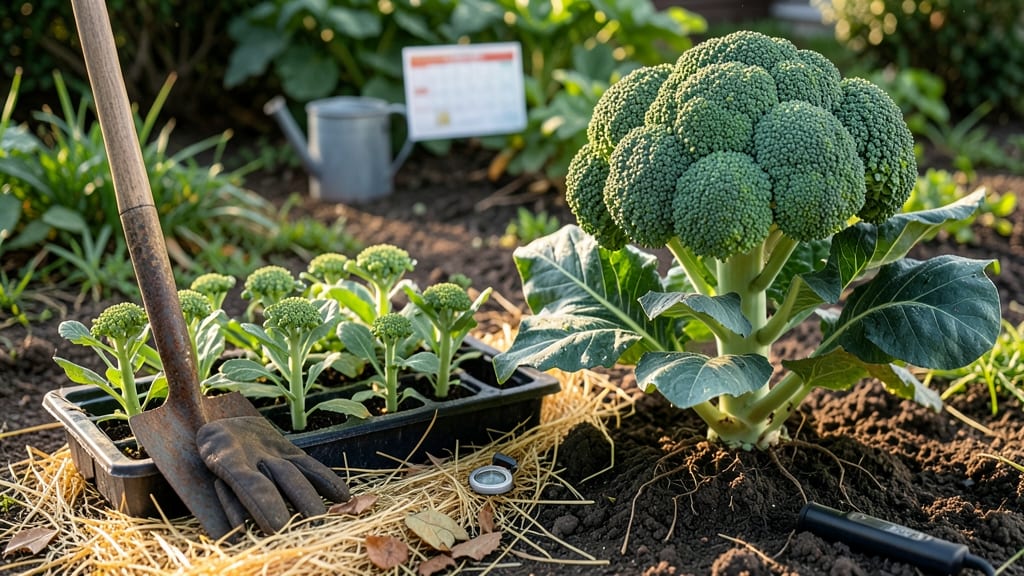
Planting a fall garden in Zone 7 between mid-August and mid-October gives you a second chance to grow fresh veggies and herbs before winter arrives.
Missed your spring planting window? Don’t worry—Zone 7’s fall garden season is a game-changer for gardeners who love fresh produce. But timing is everything, and getting these dates wrong can mean frost-killed crops or wasted effort. The key is knowing exactly when to plant for a frost-free harvest.
In Zone 7, where the first frost typically hits around mid-November, you’ve got a 6-week window to get cool-season crops in the ground. Leafy greens like kale and spinach thrive when planted in late summer, while root vegetables need an earlier start.
We’ll break down the best planting dates for every type of crop, so you can avoid common mistakes and maximize your harvest.
Ready to turn your garden into a fall bounty? You’ll learn how to prepare your soil, choose the right plants, and even extend your growing season with simple tricks. Let’s get started!

Zone 7 fall planting calendar: exact dates by crop type
Fall gardening in Zone 7 is your golden opportunity to grow cool-season crops that thrive in cooler temperatures. Unlike spring planting, fall offers longer daylight and warmer soil—perfect for leafy greens, brassicas, and root vegetables.
But timing is critical: plant too early, and you’ll face bolting or pests; too late, and frost will ruin your harvest. Here’s your exact planting schedule for a successful fall garden.
First, mark your calendar for Zone 7’s average first frost date, typically around November 15. To ensure a harvest before frost, aim to plant 4-6 weeks before this date. Soil temperatures should stay above 50°F (10°C) for optimal germination.
Use a soil thermometer to monitor—cooler soils delay growth, while warmer soils speed it up. For example, spinach and lettuce germinate best at 50-70°F (10-21°C), while kale and broccoli tolerate 40-60°F (4-15°C).
🌱 SUMMARY-TABLE: Zone 7 Fall Planting Calendar
| Crop Type | Best Planting Window | Days to Maturity | Last Planting Date | Soil Temp (°F) | Notes |
|---|---|---|---|---|---|
| Leafy Greens (Spinach, Lettuce, Kale) | Mid-August to Early October | 30-50 days | October 15 | 50-70°F | Bolt-resistant varieties preferred |
| Brassicas (Broccoli, Cabbage, Brussels Sprouts) | Late July to Mid-September | 50-90 days | September 30 | 40-60°F | Start indoors for head varieties |
| Root Vegetables (Carrots, Beets, Radishes) | Late August to Early October | 40-70 days | October 1 | 55-75°F | Loose, stone-free soil required |
| Alliums (Onions, Garlic, Leeks) | Mid-August to Late September | 60-120 days | September 20 | 50-65°F | Plant sets or transplants |
| Herbs (Parsley, Cilantro, Dill) | Late August to Early October | 30-60 days | October 10 | 55-70°F | Biennials like parsley overwinter |
| Flowers (Pansies, Snapdragons, Calendula) | Late August to Mid-October | 45-75 days | October 15 | 50-65°F | Deadhead for continuous blooms |
Fall in Zone 7 doesn’t mean your gardening season has to end—it’s actually one of the best times to grow cool-season crops like kale, spinach, and carrots. The key is using season-extending strategies to protect your plants from early frosts while maximizing sunlight. I’ve tested these methods in my own garden, and they’ve helped me harvest well into December! First, check your local frost dates. Most Zone 7 areas experience their first frost around November 15, but this can vary by 5-10 days depending on elevation and microclimates. For precision, use the USDA Plant Hardiness Zone Map or check your local cooperative extension service for exact dates. Planting too late without protection can ruin your harvest, so timing is critical. For leafy greens and herbs, row covers are my go-to. I’ve kept baby spinach growing until Christmas in Zone 7a by using Agribon fabric and removing it on warm days. Just remember to water before covering—condensation can suffocate plants. For root vegetables, cold frames work wonders. I’ve harvested carrots and turnips straight from the ground after a light frost—they actually sweeten up! Don’t overlook succession planting for quick wins. In my garden, I plant radishes every 10 days from August to October. The first batch is ready by September 15, and the last one harvests just before frost. It’s a foolproof way to avoid gaps in your harvest. Pair this with frost-tolerant varieties like 'Red Russian' kale, which tastes sweeter after frost! Pro tip: Calculate your frost dates by averaging the last 5 years of data from your area. For example, if your local average first frost is November 10, plant slow-growing crops (like broccoli) by September 15 and fast growers (like radishes) by October 15. This gives them enough time to mature before winter sets in. Finally, monitor soil temps with a soil thermometer. Most cool-season crops thrive in 50-70°F soil. If temps drop below 45°F, use black plastic mulch to warm the soil. In my experience, this extra step has added 3-4 weeks to my fall harvests. With these strategies, you’ll be enjoying fresh homegrown greens long after your neighbors have put their gardens to bed.How to extend your fall garden season in Zone 7
🌱 5 Proven Strategies to Extend Your Fall Garden