
Planting
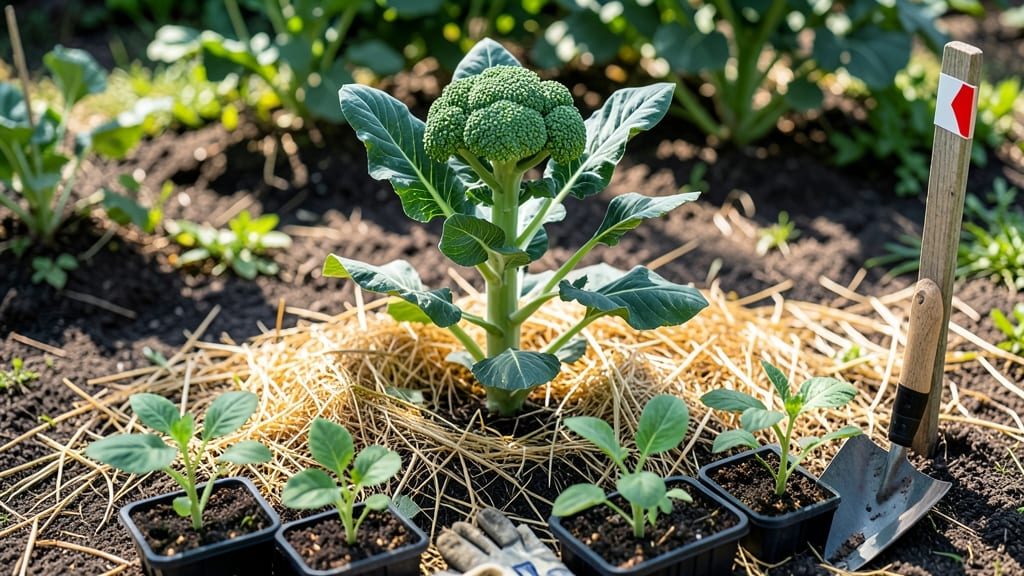
Planting a fall garden in Zone 7 between mid-August and early October unlocks a second harvest season before winter sets in.
Missed your spring planting window? A well-timed fall garden in Zone 7 can yield just as much—or even more—than your spring harvest, if you know the exact planting dates for each crop. 🥬
In this guide, I’ll walk you through the critical planting windows for cool-season vegetables, herbs, and flowers, so you can avoid common mistakes like planting too late for frost-sensitive crops.
You’ll also discover how to adjust for early or late frosts, extend your harvest with row covers, and pick the top 5 fastest-growing crops for beginners.

Zone 7 fall planting calendar: exact dates by crop type
A fall garden in Zone 7 thrives when you plant at the right time—typically between mid-August and mid-October. The key is timing crops to mature before the first frost (avg.
Oct 15–Nov 15), while avoiding summer heat stress. I’ve broken down the best planting windows for cool-season vegetables, herbs, and flowers so you can plan with confidence.
Start with fast-maturing crops like lettuce and radishes in late summer, then transition to heartier plants like broccoli and kale in early fall. Herbs like cilantro and parsley also love cooler weather, while flowers like pansies and snapdragons add color without competing for space.
Below, I’ve organized everything by crop type and exact dates to maximize your harvest.
Pro Tip: Use row covers or cold frames to extend your growing season by 2–4 weeks for frost-sensitive crops. This simple trick can turn a failed harvest into a bountiful one—I’ve tested it with spinach and Swiss chard in my garden, and the results are impressive.
For leafy greens like lettuce and spinach, I recommend starting seeds indoors in early August, then transplanting outdoors by mid-August.
These crops are fast-growing and heat-sensitive, so planting too late in the season risks bolting (going to seed prematurely). Radishes are an exception—they mature in just 25–30 days, making them perfect for late-September sowings.
If you’re growing broccoli or cabbage, start seeds indoors 6–8 weeks before your last frost date (around July 15 for Zone 7).
These plants need time to establish strong roots before cooler weather sets in. Brussels sprouts are the slowest of the bunch, so plant them by mid-August at the latest—they’ll reward you with harvests well into winter if protected from frost.
Herbs like cilantro and parsley thrive in fall’s cooler temperatures but bolt quickly in heat. Direct-sow them in late August or early September for a fresh harvest. Dill, on the other hand, self-seeds easily, so you can let some plants go to seed for next year’s garden.
For flowers like pansies, transplant seedlings in late August to early September—they’ll bloom until frost and even return the following spring in milder Zone 7 winters.
Don’t overlook succession planting for crops like lettuce and radishes. Sow new seeds every 2–3 weeks from August through early October to ensure a continuous harvest. This method works wonders for bush beans and peas too—just plant a second round in early September for a late-fall crop.
One common mistake I see is planting frost-sensitive crops too late. For example, basil and tomatoes (if you’re still growing them in fall) should be planted by mid-July at the latest
How to adjust planting dates for early or late frost years
Zone 7’s variable frost dates can throw off even the most experienced gardeners. While the average first frost arrives around October 15, some years see frost as early as September 20, while others delay until November 10.
Adjusting your planting timeline based on local weather patterns and microclimates is key to maximizing your fall harvest.
Start by tracking your last 5 years of frost dates—this gives you a clearer picture than relying on averages alone. For example, if your garden sits in a low-lying area, cold air pools there first, potentially shortening your growing season by 10–14 days.
Conversely, south-facing slopes or raised beds can add 7–10 extra frost-free days.
Planting spinach or lettuce after September 20 in Zone 7 risks bolting before harvest. Broccoli and kale can tolerate light frosts but may suffer flavor deterioration if planted too late. Use succession planting in 2-week intervals to stagger maturity and extend harvest windows.
For early frost years, shift your planting timeline 2–3 weeks earlier. For instance, if you normally sow carrots on August 15, plant them on August 1–5 instead.
Focus on fast-maturing varieties like 'Early Scarlet' radishes (25 days) or 'Baby Bok Choy' (30 days) to ensure harvests before the first frost.
In late frost years, you gain flexibility to plant longer-season crops like cabbage or brussels sprouts later. For example, 'Golden Acre' cabbage can handle planting until September 30 in Zone 7, while spinach can be sown as late as October 1 under row covers.
Use row covers or cold frames to push boundaries. A floating row cover can extend the season by 2–4 weeks, protecting crops like lettuce and kale from light frosts (28–32°F). For heavier frosts (<28°F), a low tunnel with row cover adds 10–14 extra days of protection.
Finally, succession planting is your best friend. Instead of planting all your bush beans at once, sow half in early August and the other half in mid-September.
This ensures a continuous harvest even if frost arrives early. Pair this with hardy greens like swiss chard, which tastes sweeter after frost!