
Planting
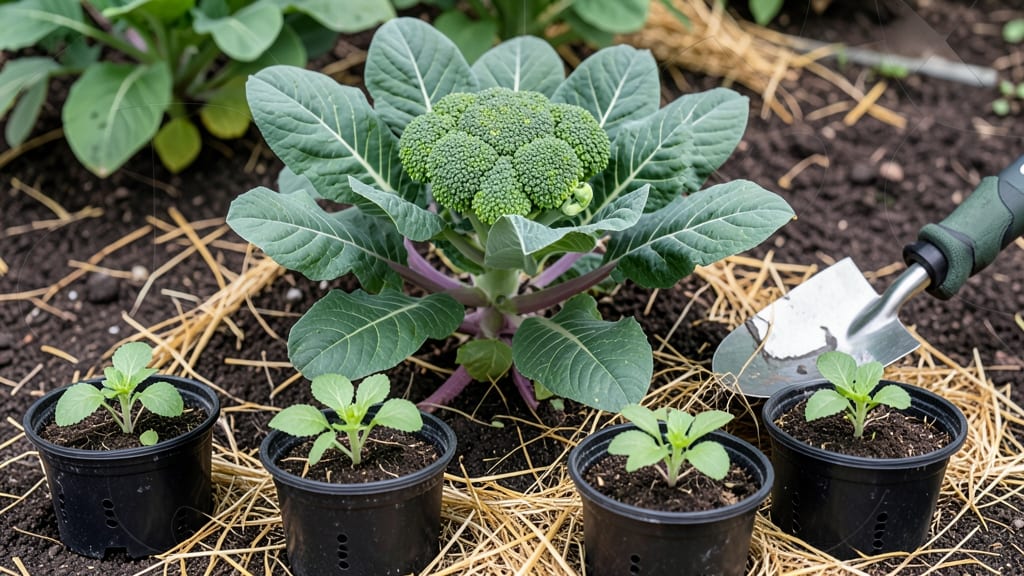
Planting a fall garden in Florida between August and October unlocks a season of heat-tolerant harvests that summer crops can’t match.
Florida’s long growing season might trick you into thinking summer crops never end—but fall is the real golden opportunity for gardeners, offering cooler temps and heat-tolerant harvests.
Get the timing wrong, though, and you’ll miss the sweet spot between summer’s lingering heat and winter’s chill. Whether you’re growing Malabar spinach or sweet potatoes, knowing the exact month-by-month schedule is the key to avoiding stunted plants or wasted effort.
Here’s your Florida-specific guide to planting a fall garden—covering optimal windows, soil prep, and how to beat early cold snaps for a bountiful harvest.
Florida’s fall planting timeline: exact month-by-month schedule for heat-tolerant crops
Florida’s fall season is your secret weapon for a productive garden—when summer’s heat finally cools enough for heat-tolerant crops to thrive without wilting. Unlike northern states, Florida’s USDA Zones 8a-11 let you plant year-round, but timing is everything to avoid early cold snaps or missed harvests.
The key? Starting 4-6 weeks before your first frost date (if applicable) and working with your local microclimate.
North Florida gardeners (Zones 8a-9a) face occasional light frosts in December, while South Florida (Zones 10a-11) stays frost-free year-round. This means your planting deadlines shift dramatically—don’t wait until October if you’re in North Florida!
Below is your exact month-by-month schedule, broken down by crop type and zone, so you can plant with confidence.
| Month | Crop Type | Best Varieties for Florida | Planting Window | Notes |
|---|---|---|---|---|
| August | Leafy Greens | Malabar Spinach, Swiss Chard, Kale | Late August (North FL) / Early August (South FL) | Start seeds indoors or direct sow. Use shade cloth for young plants. |
| August | Root Vegetables | Carrots, Beets, Radishes | Mid-August (North FL) / July-August (South FL) | Loosen soil to prevent forking. Mulch to retain moisture. |
| September | Brassicas | Collards, Mustard Greens, Broccoli Rabe | Early September (North FL) / August-Sept (South FL) | Transplant seedlings 2-3 weeks after sowing. Fertilize with compost. |
| September | Herbs | Cilantro, Dill, Parsley | Late August-October | Direct sow in partial shade. Harvest leaves to encourage bushiness. |
| October | Legumes | Green Beans, Cowpeas, Peas | Early October (North FL) / Sept-Oct (South FL) | Plant after soil temps drop below 85°F. Trellis for vining varieties. |
| October-November | Sweet Potatoes | Beauregard, Georgia Jet | Late October (North FL) / Sept-Nov (South FL) | Plant slips in warm soil. Harvest before first frost (North FL only). |
| November | Cold-Hardy Greens | Turnip Greens, Arugula, Spinach | Early November (North FL) / Oct-Nov (South FL) | Use row covers for North FL. Harvest before bolting. |
For North Florida gardeners (Zones 8a-9a), your last planting deadline is typically early October for most crops, with cold-hardy greens like collards and spinach getting a second chance in November.
If you’re in South Florida (Zones 10a-11), you can plant year-round, but focus on August-September for the best balance of heat tolerance and harvest timing before winter rains arrive.
Pro tip: Soil temperature is your best guide—aim for 60-75°F for most fall crops. Use a soil thermometer to check before planting. If your soil is still above 80°F, wait a week or two. Slow germination is a common mistake in Florida’s transition months.
Don’t overlook companion planting to maximize space and deter pests. Pair bush beans with collards or radishes with carrots—these combos thrive together. And always mulch heavily with straw or pine needles to retain moisture and regulate soil temps during Florida’s unpredictable fall weather swings.
If you’re in Zone 10a or warmer, you can even plant a second crop in November for a winter harvest, but choose varieties like Malabar spinach or cowpeas that tolerate brief cold snaps. For Zone 8a gardeners, protect tender plants with frost cloth
Best heat-tolerant fall vegetables for Florida gardens (and how to extend their season)
Florida’s fall garden thrives when you choose heat-tolerant varieties that handle lingering summer warmth while prepping for cooler months. Unlike traditional cool-season crops, these Florida-adapted plants like Malabar spinach and collard greens stay productive well into December.
The key? Planting in late August to early October—when daytime temps dip below 90°F but nights stay mild.
My top picks balance heat resistance with cold tolerance, letting you harvest through Florida’s brief winter. For example, sweet potatoes thrive in summer’s heat but mature perfectly in fall’s cooler days. Meanwhile, mustard greens and turnips handle light frosts while still growing fast in warm soil.
The trick is soil prep—amending beds with compost and aged manure to retain moisture as temps drop.
⚠️ PROS-CONS BOX: WHEN TO PLANT FALL GARDEN IN FLORIDA
PROS OF EARLY FALL PLANTING (AUGUST-SEPTEMBER)
- ✅ Avoids summer pests like squash bugs and aphids
- ✅ Warmer soil speeds germination for cool-season crops
- ✅ Longer harvest window before potential cold snaps
CONS OF LATE FALL PLANTING (OCTOBER-NOVEMBER)
- ❌ Slower growth in cooler soil temps
- ❌ Higher risk of frost damage in North Florida
- ❌ Shorter harvest season before winter slows production
For companion planting, pair collards with bush beans—the beans fix nitrogen while collards thrive in partial shade. My go-to combo also includes sweet potatoes with marigolds to repel nematodes.
Mulch heavily with straw or pine needles to insulate roots—this is critical in Florida’s Zone 8-10, where nighttime temps can fluctuate wildly.
Don’t overlook Malabar spinach, a heat-loving vine that produces until frost. It’s perfect for trellises and handles Florida’s humidity better than traditional spinach. To extend the season, I succession plant fast growers like radishes every 2 weeks from September through November. This ensures continuous harvests even as temps drop.
Water deeply once a week in fall—Florida’s sandy soil drains quickly, and cooler air means less evaporation. Use drip irrigation to keep foliage dry, preventing fungal diseases like powdery mildew that thrive in humid conditions. For container gardens, switch to self-watering pots to maintain moisture without overwatering.
With these strategies, my fall garden stays productive until January, even in Florida’s cooler zones. The secret? Right plants + smart timing. Start with Malabar spinach and collards, then layer in turnips and kale as temps drop—your harvest will thank you! 🌱