
Planting
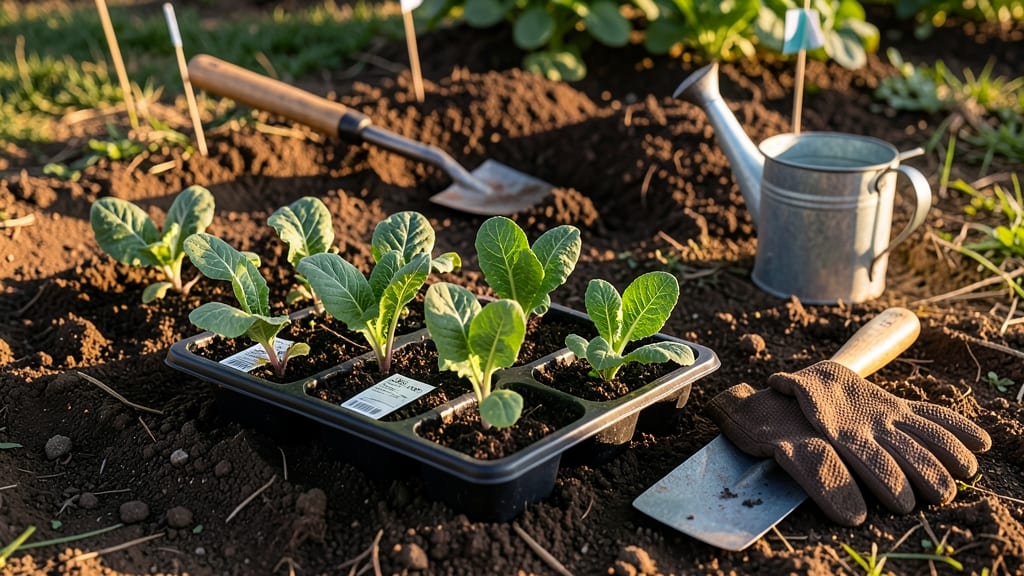
Planting a fall garden in Louisiana starts around mid-August to beat the heat and avoid early frost risks—because timing here isn’t just about the calendar, it’s about the humidity.
You’ve got maybe 60 days to get your cool-season crops in before the first frost sneaks up, and if you plant too late, you’ll end up with leggy seedlings or bolting greens. Worse, hurricane season can disrupt your schedule, so knowing the exact window is everything.
Louisiana’s long, warm fall means you can grow leafy greens, brassicas, and root vegetables—if you choose the right varieties and prep the soil correctly. The key is balancing heat tolerance with frost resistance, which is why I’ve broken down the best planting dates by crop type and region.
Below, I’ll walk you through the perfect timing for your fall garden, how to adjust for Louisiana’s humidity, and the top 7 crops that thrive in this climate—so you can enjoy fresh harvests well into winter.
Louisiana fall planting calendar: exact dates by vegetable type for zero frost risk
Louisiana’s fall planting window is shorter than you think—just 6-8 weeks before the first frost hits. In most areas, that means starting late July to early August for heat-loving crops and mid-August to early September for cool-season favorites.
The key? Timing your plantings to avoid 90°F+ soil stress while maximizing harvests before 30°F frosts arrive in late November.
New Orleans (Zone 8b) typically sees its first frost around November 20-25, while Baton Rouge (Zone 8a) and Shreveport (Zone 7b) can expect frost November 10-15.
This means your last planting dates for frost-sensitive crops like tomatoes and peppers must be 60-75 days before frost—or you’ll risk stunted growth. For hardier greens and root vegetables, you’ve got until mid-October in most regions.
Here’s the critical timeline broken down by crop type, with exact dates tailored to Louisiana’s humidity and heat. Use this as your fall garden planting checklist to avoid common mistakes like overcrowding or underestimating pest pressure in damp conditions.
| Crop Type | Planting Window (LA Regions) | Last Planting Date | Days to Maturity | Notes |
|---|---|---|---|---|
| Heat-Loving Crops (Tomatoes, Peppers, Okra, Sweet Potatoes) | Late July - Early August | August 15 (New Orleans), August 1 (Baton Rouge/Shreveport) | 60-75 days | Start seeds indoors 6-8 weeks before transplanting. Use black plastic mulch to retain heat. |
| Squash & Melons (Butternut, Zucchini, Cantaloupe) | Mid-July - Late July | August 10 (all regions) | 50-60 days | Direct-sow after soil temps drop below 95°F. Watch for cucumber beetles in humidity. |
| Cool-Season Greens (Lettuce, Spinach, Kale, Collards) | Mid-August - Early September | October 15 (New Orleans), October 1 (Baton Rouge/Shreveport) | 30-50 days | Sow bolting-resistant varieties like 'Winter Density' lettuce. Use shade cloth if temps exceed 85°F. |
| Brassicas (Broccoli, Cabbage, Brussels Sprouts) | Early August - Mid-August | September 30 (all regions) | 60-80 days | Start seeds indoors. Harden off plants before transplanting. Cabbage worms are a risk—use row covers. |
| Root Vegetables (Carrots, Beets, Radishes, Turnips) | Late August - Early September | October 31 (New Orleans), October 15 (Baton Rouge/Shreveport) | 45-60 days | Loosen soil to prevent forked carrots. Mulch to retain moisture in fall’s drying winds. |
| Green Onions & Lettuce (Quick Harvests) | September - October | November 10 (all regions) | 20-30 days | Ideal for succession planting. Harvest outer leaves to prolong production. |
For tomatoes and peppers, Louisiana’s humidity can turn your garden into a fungal hotspot if you’re not careful.
Plant disease-resistant varieties like 'Celebrity' tomatoes or 'Jupiter' peppers, and always stake or cage plants to improve airflow. Sweet potatoes are a smart choice—they thrive in heat and can be planted until mid-September in most zones, with harvests stretching into December.
If you’re in Shreveport or rural North Louisiana, where frosts arrive earlier, prioritize fast-maturing varieties of greens and brassicas. For example, 'Flash' broccoli matures in just 45 days, giving you a head start before frost.
In New Orleans or coastal areas, you can push your planting window slightly later due to the urban heat island effect, which delays frosts by 5-7 days compared to inland areas.
Don’t forget about succession planting—this is your secret weapon for a continuous harvest. After pulling early crops like radishes (30 days) or bush beans (50 days), replant the space with spinach or arugula, which tolerate cooler fall temperatures. Aim to
How to adjust planting for Louisiana’s humidity: 5 pro tips to avoid rot and pests
Louisiana’s thick humidity can turn your fall garden into a breeding ground for fungal diseases and pests if you’re not careful. The key is balancing moisture while preventing stagnant air around plants.
I’ve learned through trial-and-error that proper spacing and mulching make all the difference in my humidity-prone New Orleans garden. The wrong approach? Overcrowded beds and nighttime watering—both invite trouble.
First, let’s tackle the biggest mistake gardeners make: assuming fall rain means you can skip watering. Louisiana’s lingering summer heat often keeps soil dry, while humidity traps moisture on leaves.
This combo creates the perfect storm for powdery mildew and blight. The solution? Strategic adjustments that keep roots happy without drowning foliage.
- 1. Space plants 12-18" apart to improve airflow—critical for tomatoes and peppers in fall.
- 2. Water at soil level using drip irrigation or soaker hoses to avoid wetting leaves.
- 3. Choose disease-resistant varieties like 'Celebrity' tomatoes or 'Jalapeño M' peppers.
- 4. Mulch with straw (not wood chips) to regulate moisture without trapping heat.
- 5. Prune lower leaves weekly to reduce humidity contact and improve sunlight penetration.
Let’s start with plant spacing—this is non-negotiable in Louisiana’s climate. I’ve seen tomato plants planted 2 feet apart thrive, while those crammed 18 inches apart developed early blight within weeks.
The extra space lets air circulate, drying leaves faster after rain. For leafy greens like kale, aim for 10-12 inches between plants to prevent downy mildew.
Next, your watering routine needs a humidity upgrade. I used to water in the evening like everyone else—big mistake. Wet leaves overnight create the perfect environment for fungal spores to spread. Instead, water deeply in the morning using drip lines buried under mulch.
This keeps roots moist while foliage dries quickly. Pro tip: Add a 1-inch layer of mulch after watering to lock in moisture without suffocating plants.
Don’t overlook disease-resistant varieties—they’re your secret weapon against Louisiana’s pests. I switched to 'Heatmaster' tomatoes and saw a 40% reduction in hornworm damage. For peppers, 'Aristotle' bell peppers resist aphids better than standard varieties. Check seed packets for VFN (Verticillium/Fusarium/Nematode resistant) labels—these are gold in humid climates.
Finally, pruning isn’t just for aesthetics—it’s a humidity hack. Remove lower leaves regularly to improve airflow and sunlight exposure. I prune my tomato plants every 10 days during fall’s damp spells, and my yields stay strong while others’ plants rot.
Pair this with neem oil sprays every 2 weeks to deter whiteflies and spider mites, which thrive in humid conditions.
Remember: Louisiana’s fall garden success hinges on prevention, not reaction. Start with these 5 adjustments, and you’ll enjoy healthy plants and bountiful harvests—no rot in sight. 🌿