
Planting
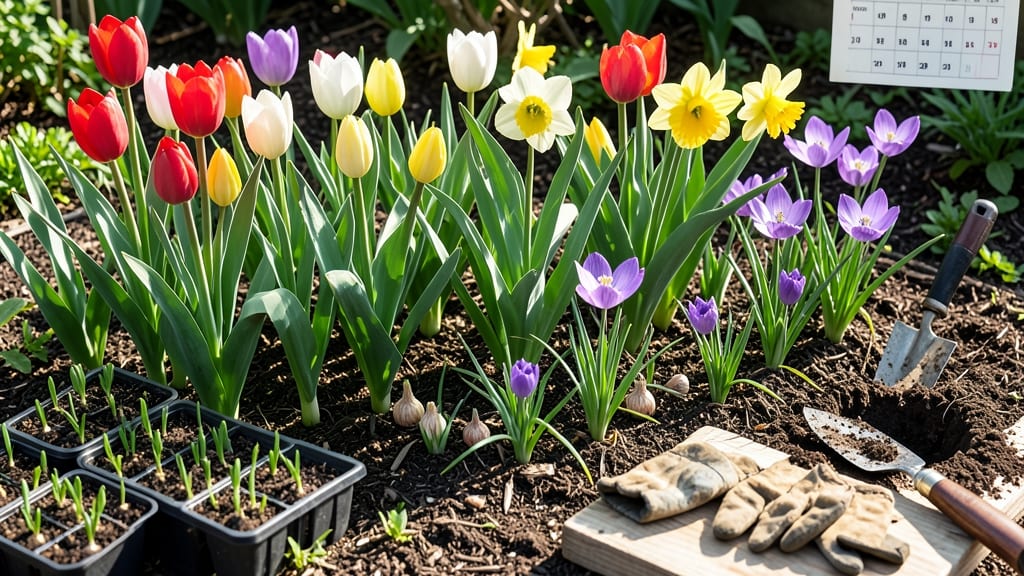
Planting a garden in Connecticut at the right time means the difference between a bountiful harvest and a sad pile of frozen seedlings.
Connecticut’s unpredictable spring weather can turn a gardener’s carefully planned planting schedule into a gamble—but knowing the exact frost-free dates by plant type means you’ll avoid frozen seedlings and maximize your harvest.
Whether you’re growing cool-season veggies like spinach or warm-season favorites like tomatoes, timing is everything. The last frost typically hits between April 15 and May 15, but coastal areas warm up faster than inland zones.
In this guide, I’ll break down the best planting windows for your Connecticut garden, from early spring greens to late-summer crops, so you can start strong and keep harvesting all season.
Connecticut’s frost-free dates by region: when to plant cool-season vegetables
Timing is everything in Connecticut gardening, where coastal areas like New Haven and inland zones like Hartford can differ by weeks in frost-free dates. Cool-season vegetables like kale and spinach thrive when planted early, but a late frost can devastate tender seedlings.
Understanding these regional differences ensures your garden starts strong.
Coastal Connecticut typically sees its last frost between April 15–May 1, while inland areas like Waterbury often wait until May 1–15. This variation means gardeners in Fairfield County can plant peas and onions weeks ahead of those in Litchfield County.
Knowing these dates helps you avoid the heartbreak of frozen seedlings.
A comparison-table below breaks down the frost-free windows by region and provides specific planting dates for your top cool-season crops. For example, broccoli can go in the ground as early as March 15 in coastal areas, while inland gardeners should wait until April 1 to ensure survival.
If you’re eager to get a head start, row covers or cold frames can push back your planting window by 2–3 weeks. For example, you can sow spinach as early as late February under protection in coastal areas, while inland gardeners might start in early March.
These tools create a microclimate that shields plants from 28°F temperatures, which would otherwise kill tender seedlings.
For onions and garlic, which are cold-hardy, you can plant sets or seeds as early as late March in coastal regions. Inland areas should wait until early April to avoid frost damage. These crops actually prefer cooler weather and can handle light frosts, making them ideal for early-season planting.
When selecting varieties, opt for cold-tolerant cultivars like ‘Winterbor’ kale or ‘Early Wonder’ peas. These varieties thrive in Connecticut’s USDA Zones 5–6 and can withstand brief cold snaps. Pairing the right plant with the right timing ensures a bountiful harvest before summer heat sets in.
To further protect your early plants, monitor the 10-day forecast and have frost cloth ready. Even a 32°F night can damage young seedlings, so flexibility in your planting schedule is key. If a late frost is predicted, delay planting by a week or use protective covers until temperatures stabilize.
Once your cool-season crops are in the ground, focus on consistent moisture and rich soil. Cool-season vegetables like broccoli and spinach thrive in well-draining soil with a pH of 6.0–7.0. Amend your garden beds with compost in the fall to improve soil structure and fertility for spring planting.
By following these regional guidelines and using protective tools, you’ll avoid the common pitfall of planting too early. Whether you’re in Fairfield County or Litchfield Hills, timing your cool-season vegetables correctly means fewer losses and more homegrown harvests to enjoy.
Warm-season planting schedule: tomatoes, peppers, and herbs (with heat-tolerant alternatives)
Once Connecticut’s last frost date (typically May 15–June 1) passes, it’s time to plant your heat-loving favorites like tomatoes, peppers, and herbs. These plants thrive in warm soil and sunshine, but timing is critical—plant too early, and frost can still damage tender seedlings.
The key is soil temperature, which should stay above 55°F (13°C) for consistent growth.
For tomatoes and peppers, choose heat-tolerant varieties like ‘Early Girl’ tomatoes or ‘Jalapeño’ peppers, which handle CT’s summer humidity better than delicate heirlooms.
Herbs like basil and cilantro also love warmth but bolt quickly in hot spells—so plant them after the last frost but before mid-July to avoid premature flowering.
- 🌱 Test soil with a thermometer—60°F (16°C) is ideal for planting.
- 🌿 Amend soil with compost or aged manure to improve drainage.
- ☀️ Choose full-sun spots (6+ hours of light) for maximum yields.
- ✂️ Prune suckers from tomato plants weekly to boost fruit production.
- 💧 Water at soil level, not leaves, to prevent fungal diseases.
Start by preparing your beds 1–2 weeks before planting. Remove weeds, loosen soil with a fork, and mix in organic matter like compost or worm castings. For containers, use a lightweight potting mix with perlite to prevent waterlogging.
If you’re transplanting seedlings, harden them off for 5–7 days by gradually exposing them to outdoor conditions.
Companion planting can boost yields and deter pests. Pair tomatoes with basil or marigolds to repel aphids, while peppers thrive near onions or garlic. Avoid planting fennel nearby—it stunts growth in many vegetables.
Mulch with straw or shredded leaves to retain moisture and suppress weeds, especially during CT’s dry spells.
Monitor your plants for heat stress, which can cause wilting or blossom drop. If temperatures exceed 90°F (32°C), provide afternoon shade with shade cloth (30–50% coverage) and water deeply in the early morning.
Harvest peppers and herbs regularly to encourage new growth—don’t let them overmature, or they’ll become bitter or tough.
With the right timing and care, your warm-season garden will reward you with bountiful tomatoes, spicy peppers, and fragrant herbs all summer long. Keep an eye on your local frost forecast in case of unexpected chilly snaps, and enjoy the harvest! 🌿