
Planting
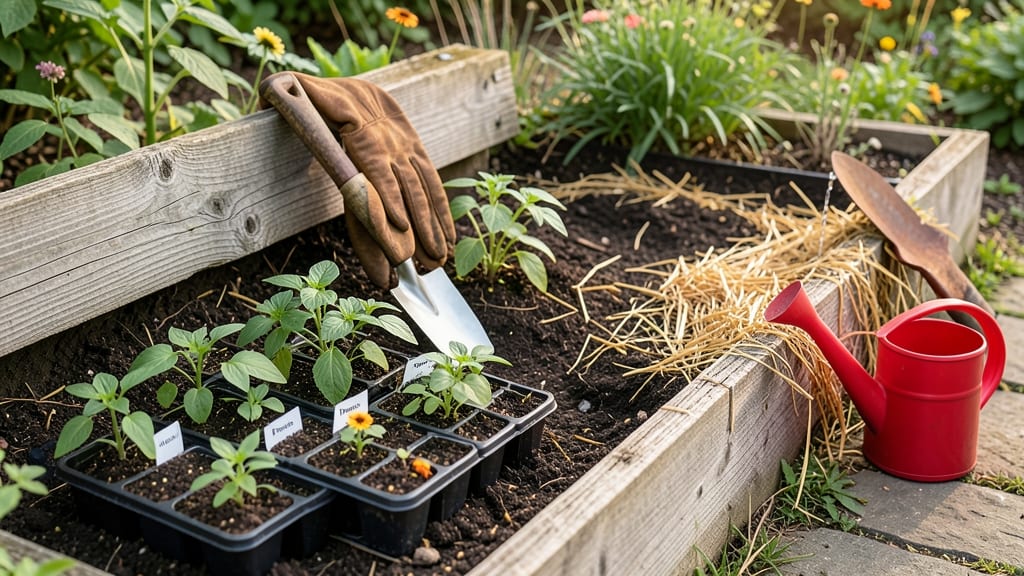
Planting your garden in NC at the right time means the difference between a bumper crop and a sad, frost-nipped disappointment.
North Carolina’s climate is anything but one-size-fits-all—mountain regions freeze earlier than the coast, and a late-March frost in the Piedmont can wipe out your seedlings overnight.
But here’s the good news: with the right timing, you can stretch your growing season from February to November, no matter where you live in USDA Zones 7a to 8b.
Cool-season crops like spinach and broccoli thrive when planted as early as February, while tomatoes and peppers need to wait until after your last frost—usually mid-April in most counties.
The key? Knowing your county’s frost dates and adjusting for microclimates, whether you’re in the Coastal Plain or the Appalachian foothills.
In this guide, I’ll break down the exact planting windows for your region, plus pro tips to extend your season with row covers and shade cloth. No more guessing—just a foolproof schedule for a garden that delivers all year.
North Carolina frost dates by county: when to plant cool vs warm-season crops
North Carolina’s climate varies dramatically from the Coastal Plain to the Mountains, creating wildly different frost-free windows.
In the Eastern region, like Craven County, last spring frosts average March 15, while in the Western Mountains, like Haywood County, they can linger until April 15. This variance means your tomato plants might thrive in one county but need row covers in another.
Understanding these frost dates is critical for timing cool-season crops like spinach and broccoli, which should go in 4-6 weeks before the last frost. Meanwhile, warm-season crops like peppers and squash need to wait until 2-4 weeks after the last frost to avoid chilly soil shock.
Let’s break it down by region so you can plan your garden like a pro.
🌱 Key Takeaway: Coastal NC has 240+ frost-free days, while mountain regions hover around 180 days. This means coastal gardeners can grow two full harvests of warm-season crops, while mountain gardeners may need to focus on succession planting or short-season varieties.
📊 Comparison Table: Below is a breakdown of average last spring frost, first fall frost, and ideal planting windows for cool-season and warm-season crops across NC’s key regions.
| Region | Last Spring Frost | First Fall Frost | Cool-Season Planting Window | Warm-Season Planting Window |
|---|---|---|---|---|
| Coastal Plain (e.g., Craven, Carteret) | March 15 | November 1 | February 1 - April 15 | April 15 - June 15 |
| Piedmont (e.g., Wake, Mecklenburg) | March 25 | November 10 | February 15 - April 1 | April 15 - June 1 |
| Mountains (e.g., Haywood, Ashe) | April 15 | October 15 | March 15 - May 1 | May 15 - June 15 |
For cool-season crops, like kale and carrots, start seeds indoors 6-8 weeks before your region’s last frost date. In Craven County, that’s early February, while in Haywood County, wait until late March.
These crops thrive in 50-70°F soil, so use row covers if nighttime temps dip below 40°F.
Warm-season crops, such as tomatoes and peppers, need soil temps above 60°F to germinate. In Piedmont regions, plant tomato seeds indoors in March and transplant after April 15.
In mountain counties, delay until May 15 to avoid late spring frosts. Pro tip: Use black plastic mulch to warm soil faster in cooler areas.
If you’re growing heat-loving crops like okra or sweet potatoes, focus on late spring planting (after May 1 in most regions). These plants can handle summer’s brutal heat, but they’ll bolt or struggle if planted too early.
In Carteret County, you might even squeeze in a second planting in late July for a fall harvest!
For fall planting, prioritize fast-maturing crops
Best planting schedule for NC gardens: month-by-month calendar for vegetables, flowers, and herbs
North Carolina’s diverse microclimates mean planting times vary from the coastal plains to the mountains. Use this month-by-month guide to align your garden with NC’s frost-free windows and maximize harvests. Whether you’re growing heat-loving tomatoes or cool-weather kale, timing is everything!
For coastal NC, start warm-season crops like okra and sweet potatoes in April after the last frost. In the mountains, wait until mid-May for the same crops due to later frost dates. Succession planting is key—sow lettuce every 2 weeks from March to September for continuous harvests.
For late-season planting, choose heat-tolerant varieties like Malabar spinach or Swiss chard, which thrive in fall’s cooler temps. In coastal NC, you can extend harvests until December with row covers, while mountain regions may need to wrap up by October.
Pro tip: Succession planting works wonders for leafy greens like lettuce and spinach. Sow seeds every 2 weeks from March through September to ensure a steady supply. Herbs like basil should be planted in late spring for best flavor and growth.
Don’t forget perennials like asparagus and rhubarb, which benefit from early spring planting in February-March. These crops establish roots slowly, so give them time before expecting harvests. Annual flowers like marigolds can be planted year-round in coastal NC for continuous blooms.
Adjust your schedule based on local frost dates—check your county’s USDA zone (typically 7a-8b in NC) for precise timing. With this calendar, you’ll enjoy fresh harvests from spring to fall