
Planting
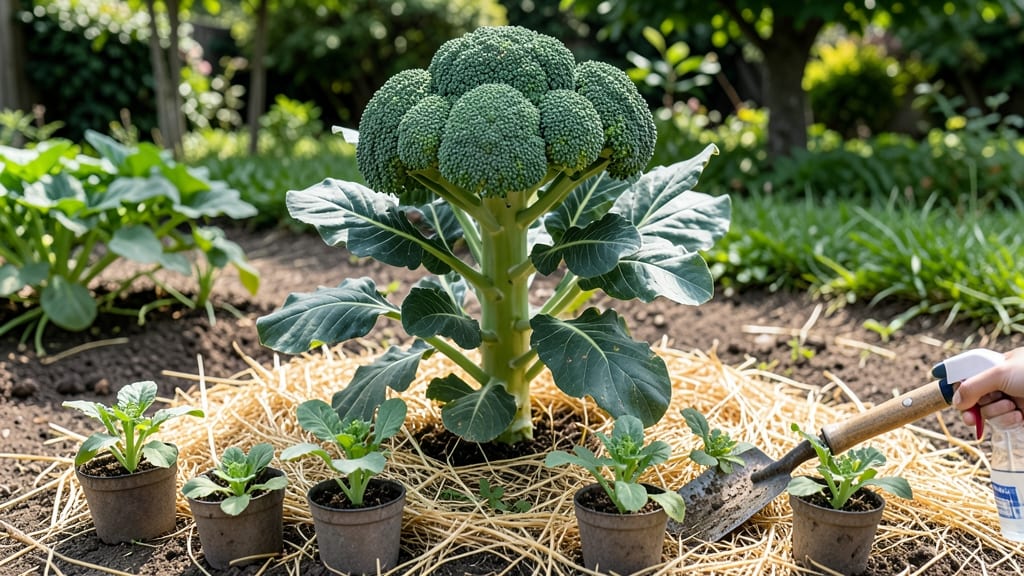
Planting your fall garden in NC between mid-August and early October is the key to harvesting crisp greens, sweet root vegetables, and hardy herbs before winter arrives.
Miss that window, and you might end up with bolted lettuce or frost-bitten kale—something I learned the hard way after planting my 🥬 broccoli a week too late last year. The good news?
North Carolina’s mild fall weather gives you a 4-6 week window to get it right, and I’ll break down exactly when to start seeds, transplant seedlings, and direct-sow for your zone.
Whether you’re in the cooler 7a mountains or the warmer 8b coast, timing matters more than you think. Too early, and pests take over; too late, and frost steals your harvest. Here’s how to nail the perfect schedule for your fall garden, crop by crop.
You’ll also discover how to extend your season with row covers, which crops thrive in NC’s fall soil, and the one mistake that ruins more gardens than anything else. Let’s get started.
NC fall planting dates by USDA hardiness zones (6a-8a)
North Carolina’s fall planting window is one of the most productive times for gardeners, offering cooler temperatures and fewer pests. But timing is everything—plant too early, and your crops bolt; too late, and frost ruins your harvest.
Each USDA zone (6a-8a) has slightly different frost dates, so knowing your exact window ensures success.
For Zone 6a (western NC mountains), the first frost typically arrives around October 20-30, while Zone 8a (coastal areas) can extend planting until November 10-15. This means your planting schedule should start 4-6 weeks before frost, with adjustments based on your specific microclimate.
Coastal areas often have 10-14 extra frost-free days compared to inland zones.
Direct-sown crops like lettuce, spinach, and carrots can go in the ground as early as mid-August in Zone 8a, while transplants (broccoli, cabbage, kale) should wait until late August to early September for optimal root establishment. In Zone 6a, hold off until late August to avoid heat stress.
| USDA Zone | First Frost Date | Direct-Sown Start | Transplant Start | Key Crops |
|---|---|---|---|---|
| 6a (Mountains) | Oct 20-30 | Aug 20 - Sep 10 | Sep 1-15 | Spinach, Kale, Carrots, Radishes |
| 7a (Piedmont) | Oct 30 - Nov 5 | Aug 15 - Sep 15 | Aug 30 - Sep 20 | Lettuce, Broccoli, Cabbage, Beets |
| 7b (Central NC) | Nov 5-10 | Aug 1 - Sep 20 | Aug 25 - Sep 25 | Swiss Chard, Turnips, Peas, Arugula |
| 8a (Coastal) | Nov 10-15 | Jul 30 - Sep 25 | Aug 15 - Oct 5 | Collards, Mustard Greens, Radishes, Onions |
In Zone 6a, focus on hardy greens like spinach and kale, which tolerate light frosts. These can be sown as early as August 20 for a September harvest before temperatures drop.
For Zone 8a, you can push the envelope with warm-season holdovers like bush beans or cucumbers in early August, but shift to cool crops by mid-September.
Transplants like broccoli and cabbage need time to establish roots before cold snaps. In Zone 7a, aim for September 1-15 planting to ensure they mature before frost. Use row covers if temperatures dip below 25°F to protect tender crops like lettuce or radishes.
Soil temperature is critical—most cool-season crops germinate best when soil is between 50-70°F. Test your soil with a thermometer before sowing seeds. If it’s too hot (80°F+), wait a week or two for cooler conditions, especially in Zone 8a where August can still be sweltering.
For succession planting, sow fast-maturing crops like radishes or lettuce every 2-3 weeks until mid-September. This ensures a steady harvest before winter sets in. In Zone 6a, your last sowing should be by September 10 to avoid frost damage.
Remember: Frost dates are averages—check local weather forecasts for 10-day predictions before your final planting. Microclimates (like urban heat islands or sheltered valleys) can shift frost dates by 1-2 weeks, so observe your garden’s patterns over time.
🌱
Best fall crops for NC gardens and their planting strategies
North Carolina’s fall season offers perfect conditions for growing cool-season crops like leafy greens, root vegetables, and brassicas. These plants thrive in 50-75°F soil temperatures and can handle light frosts, making them ideal for extending your harvest well into winter.
The key to success is choosing the right varieties and timing your plantings to avoid bolting or frost damage.
For maximum yield, focus on succession planting—staggering your sowing dates every 2-3 weeks from mid-August through early October. This ensures a continuous harvest while taking advantage of NC’s 180-210 frost-free days. Pairing crops with complementary companions also boosts growth and deters pests naturally.
Adjust your soil preparation for fall crops by amending beds with compost and aged manure to replenish nutrients lost in summer. Aim for a pH of 6.0-7.0—most cool-season crops prefer slightly acidic to neutral soil.
For heavy clay soils common in NC’s Piedmont, mix in sand or peat moss to improve drainage.
Protect young seedlings from early frosts (common in NC’s Zone 7a) by using row covers or cold frames. Hardy crops like kale and spinach can tolerate light frosts, but lettuce and radishes may bolt if exposed to sudden cold snaps.
Always check your local first-frost date—typically mid-November in most of NC—and adjust planting windows accordingly.
For maximum yield, rotate crops annually to prevent soil-borne diseases. Avoid planting brassicas in the same spot two years in a row, and interplant fast growers (radishes) with slower ones (carrots) to optimize space.
With these strategies, your NC fall garden will deliver fresh, homegrown produce straight through winter’s chill. 🌿🍂