
Planting
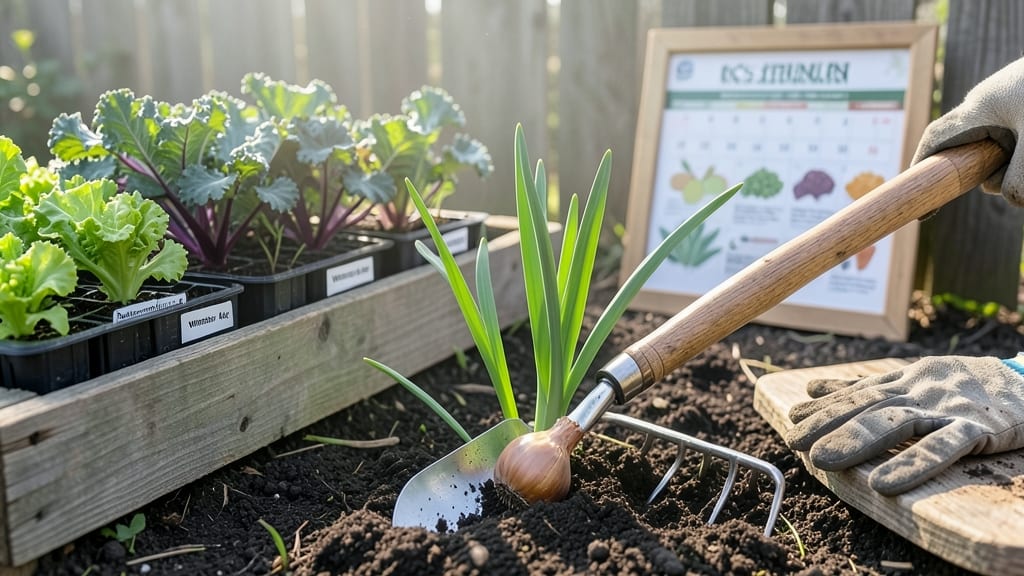
To plant a garden in NC, time your seeds and starts with the last frost date for your region — typically mid-March in the Piedmont and late February along the coast.
North Carolina’s diverse climate—from the mountains to the coast—means your garden’s success hinges on timing. Plant too early and face frost damage; too late, and you’ll miss peak harvests. Here’s your frost-free planting timeline tailored to NC’s microclimates, so you can start seeds and set transplants at the perfect moment.
Whether you’re growing heat-loving tomatoes or cold-hardy kale, knowing when to plant ensures a bountiful harvest without wasted effort. The key? Adjusting for your zone’s last frost date while accounting for soil warmth and local weather quirks.
Below, I break down the best months for each crop, how to prep your soil for success, and pro tips to extend your growing season—so you can enjoy fresh veggies from spring through fall.
NC planting calendar by month: frost dates & best crops for each zone
North Carolina’s three distinct regions—Coastal Plain, Piedmont, and Mountains—each have unique frost dates that dictate your planting schedule. The Coastal zone enjoys the longest growing season, while the Mountains face earlier frosts.
Understanding these differences ensures you plant at the optimal time for vegetables, herbs, and flowers to thrive.
For example, Coastal NC typically sees its last frost between March 15–April 1, while the Piedmont averages April 1–15, and the Mountains can delay until May 1–15.
First frosts arrive as early as October 15 in the Mountains or as late as November 15 along the Coast. These variations mean your tomatoes, peppers, and basil might flourish in one region but fail in another if planted at the wrong time.
| Region | Last Frost Date | First Frost Date | Best Months for Warm-Season Crops | Cold-Hardy Starts |
|---|---|---|---|---|
| Coastal Plain | March 15–April 1 | November 15–December 1 | April–October | Spinach, Kale, Broccoli |
| Piedmont | April 1–15 | October 15–November 1 | April–September | Cabbage, Lettuce, Peas |
| Mountains | May 1–15 | September 15–October 15 | May–August | Potatoes, Onions, Radishes |
Let’s break down each month’s planting tasks by region. In March, Coastal gardeners can start warm-season crops like tomatoes and peppers indoors, while Mountain gardeners should focus on cool-season crops such as spinach and peas.
By April, even the Mountains can begin sowing lettuce, radishes, and carrots directly into the soil.
May marks the ideal time to transplant tomatoes, cucumbers, and basil across all regions, but Mountain gardeners should wait until mid-May to avoid late frosts. June through August is prime time for heat-loving crops like okra, sweet potatoes, and okra, especially in the Coastal zone where temperatures remain warmer longer.
Always monitor soil temperatures—most warm-season crops need soil at 60°F or above.
For fall planting, start broccoli, cabbage, and kale in August for a Coastal harvest or September in the Mountains. Herbs like parsley and cilantro also thrive in cooler weather.
In October, focus on garlic and onions for overwintering, while November is for cover crops like clover or winter rye to protect soil health.
Pro tip: Use row covers or cold frames to extend your growing season by 2–4 weeks in spring or fall. For example, a cold frame can let you plant spinach in late September in the Piedmont, pushing harvests into December.
Always check local microclimates—a south-facing slope warms up faster than a north-facing valley.
Don’t forget succession planting! In June and July, sow bush beans and zucchini every 2 weeks to ensure a steady harvest. Similarly, lettuce and radishes can be replanted every 3 weeks from March through September for continuous yields. Planning ahead ensures your garden stays productive all season long.
If you’re new to NC gardening, start with fast-maturing varieties like bush beans (50 days) or radishes (25 days) to test your timing. Keep a planting journal to track what works best in your specific microclimate. Over time, you’ll refine your schedule to match your region’s unique patterns.
For extra guidance, consult your local Cooperative Extension Service—they provide region-specific frost alerts and
How to adjust planting times for NC’s unpredictable weather patterns
North Carolina’s weather can shift faster than you can say “garden season.” One week you’re battling late spring frosts, and the next, your tomatoes are wilting under unexpected heat. The key to success? Flexibility.
I’ve learned to adjust planting times based on real-time conditions—not just the calendar. Start by monitoring soil temperatures (aim for 60°F+ for warm-season crops) and use local frost alerts to guide your moves.
Even in the same county, microclimates—like a south-facing slope or a low-lying area—can mean 2-3 week differences in safe planting times. For example, the Piedmont region often sees its last frost in early April, while the mountains might still have snow in May.
Always check USDA Plant Hardiness Zone maps and supplement with neighborhood observations from trusted local sources.
⚠️ Critical Mistake: Planting Warm-Season Crops Too Soon
Many gardeners rush to plant peppers, cucumbers, or eggplants as soon as soil is workable—only to lose them to unexpected late frosts. These crops need consistent warmth (70°F+ soil) and won’t recover. Instead, wait until after your region’s average last frost date or use row covers for a 2-3 week buffer.
Pro Tip: Start these crops indoors 6-8 weeks before your target outdoor date to have sturdy transplants ready for warmer soil.
When early heatwaves strike (like the 90°F+ spells in June), switch to shade-tolerant varieties or use lightweight row covers during peak sun hours. For example, okra and sweet potatoes thrive in NC’s summer heat, while lettuce bolts quickly.
I’ve had success with succession planting: sowing fast-maturing crops like radishes or bush beans every 2 weeks to ensure a continuous harvest before the first frost.
Cold frames and low tunnels are my secret weapons for extending seasons. In the Coastal Plain, where winters are milder, I’ve grown spinach and kale through December by adding a simple hoop house.
For the mountains, a cold frame lets me start cool-season crops like broccoli 4-6 weeks earlier. Just remember: Ventilation is key—overheating can be worse than frost damage!
Don’t overlook fast-maturing varieties when adjusting your schedule. For example, ’Early Girl’ tomatoes (55-60 days to harvest) outperform ’Brandywine’ (80+ days) in NC’s shorter growing seasons. Check seed packets for “days to maturity” and subtract from your first frost date to calculate your planting window.
I also keep a planting journal to track which varieties thrive in my zone—it’s saved me from costly mistakes.
Finally, embrace succession planting as your safety net. If a heatwave stalls growth, replace struggling plants with quick-turnaround crops like bush beans or turnips. And always have backup seeds on hand—NC’s weather is unpredictable, but with these adjustments, you’ll maximize your garden’s potential year after year.