
Planting
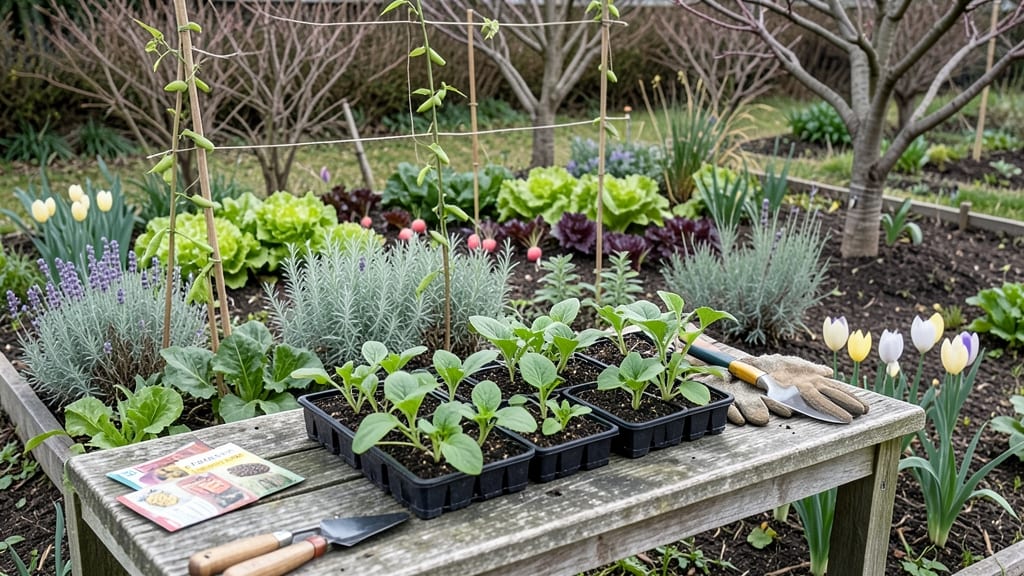
Planting your garden in Nebraska at the right time means catching that narrow window between frost and summer heat—usually mid-April to early May for most 🌱 crops.
Nebraska’s unpredictable spring weather can turn gardening dreams into frost-bitten disappointments—unless you plant at the perfect time. Timing your garden correctly means the difference between a bumper crop and a blank patch of dirt.
With USDA zones 4-6 across the state, last frost dates vary from April 15 in Omaha to May 1 in western Nebraska. Waiting too long risks stunted growth, while planting too early can leave seedlings vulnerable to late freezes.
Below, I break down the exact planting windows for vegetables, flowers, and perennials—plus soil temperature tricks and microclimate tips to help your garden thrive in Nebraska’s variable climate.
Nebraska’s planting zones & frost dates by region
Nebraska spans USDA hardiness zones 4-6, meaning gardeners must account for dramatic temperature swings between eastern and western regions. The Panhandle (zone 5b-6a) enjoys warmer springs, while eastern Nebraska (zone 4b-5a) often faces late frosts well into May.
Knowing your exact zone helps determine when to plant cool-season crops like lettuce versus warm-season favorites like tomatoes.
Frost dates vary wildly—Omaha’s average last frost hovers around May 10, while Lincoln’s is slightly later (May 15). Rural areas in the Southeast may see frost-free windows by April 25, but western Nebraska can wait until May 25 or later.
These dates shift yearly, so always check local National Weather Service updates before planting.
Microclimates add another layer of complexity. Urban areas like Lincoln and Omaha experience heat islands that can push last frost dates earlier, while windy plains regions may require protective measures for young seedlings. Even a 5-mile elevation change can mean a 1-2 week difference in frost timing.
Here’s how to use this data for your garden: Cool-season crops (spinach, peas) can go in as early as March 15 in zone 5-6 areas, while warm-season crops (tomatoes, peppers) need to wait until after May 10 in most regions. Transplanting should happen 2 weeks after your average last frost date to ensure survival.
Don’t rely solely on zone numbers—soil temperature matters more than air temperature. Most warm-season plants thrive when soil reaches 60°F+, which often lags behind air warming by 1-2 weeks.
Use a soil thermometer to confirm readiness, especially for corn and beans, which are sensitive to cold soils.
Here’s a quick reference for Nebraska’s planting windows by region and crop type, including adjustments for microclimates:
| Region | USDA Zone | Avg Last Frost | Cool-Season Planting | Warm-Season Planting | Microclimate Tip |
|---|---|---|---|---|---|
| Omaha Metro | 5a-5b | May 10 | March 20-April 15 | May 20-June 5 | Urban heat islands may allow earlier planting |
| Lincoln Area | 5b-6a | May 15 | March 25-April 20 | May 25-June 10 | Southeast exposure warms soil faster |
| Southeast NE (Norfolk) | 5a-5b | April 25-May 5 | March 10-April 10 | May 10-June 1 | Early frost risk—use row covers |
| Western NE (Scottsbluff) | 6a-6b | May 25 | April 1-April 15 | June 1-June 15 | Drier climate—mulch heavily to retain moisture |
| Panhandle (McCook) | 5b-6a | May 20 | March 30-April 20 | May 30-June 10 | Wind exposure—plant near windbreaks |
For container gardening or urban plots, you can extend your growing season by 1-2 weeks in both directions. Containers warm up faster in spring and cool down quicker in fall, giving you a slightly longer window for warm-season crops like peppers and eggplants.
Just ensure containers have drainage holes to prevent frost damage from trapped water.
If you’re planting perennials or shrubs, aim for early spring (April 1-May 1) when soil is workable but before buds break. This timing balances root establishment with frost avoidance.
For example, roses and peonies planted in late April often outperform those planted in May, as they get a head start on growth before summer heat arrives.
Pro tip: Use frost cloth or row covers to push back planting dates by 2-3 weeks in high-risk areas. This is especially useful for tomatoes and peppers, which are sensitive to cold.
Simply lay the cover over seedlings at night and remove it during the day to allow sunlight through. Remove covers 1-2 weeks before harvest to avoid moisture buildup and disease.
Remember, Nebraska’s first frost typically arrives between October 10-20, depending on your zone. Use this as your cutoff for planting warm
How to use soil temperature & moon phases for Nebraska planting success
Nebraska’s spring can swing from icy mornings to 80°F heatwaves in a single week—making soil temperature your most reliable planting guide. Most warm-season crops like corn and beans won’t thrive until soil hits 60°F or warmer.
A simple soil thermometer (just $10) takes the guesswork out of timing, ensuring roots establish quickly before summer’s heat sets in.
But don’t stop at temperature—Nebraska’s moon phases also influence growth. Planting root crops (carrots, potatoes) during the waxing moon (when the moon is growing) boosts tuber development, while leafy greens (lettuce, spinach) thrive under the waning moon.
Local lunar calendars (like Old Farmer’s Almanac) sync with Nebraska’s planting windows for extra precision.
Nebraska Planting Checklist
- 🌡️ Soil temp: 60°F+ for warm crops (use thermometer)
- 🌙 Moon phase: Waxing for roots, waning for leaves
- 📅 Last frost: April 15 (Omaha) to May 1 (rural)
- 🌱 Start indoors: Tomatoes/peppers 6-8 weeks before last frost
For corn, wait until soil reaches 65°F—any cooler, and seeds rot in the ground. My neighbor in Lincoln learned this the hard way when her early-planted corn sprouted but wilted after a late frost.
Test soil depth (2-4 inches) for accuracy, especially in sandy Nebraska soils that warm faster than clay.
Flowers like marigolds and zinnia are more forgiving—they tolerate cooler soil (55°F+) and even benefit from Nebraska’s cool nights in May. Pair them with warm-season veggies for a staggered harvest. Pro tip: Plant marigolds under the full moon to deter pests naturally.
Don’t overlook fall planting either. Cool-season crops like kale and radishes can be sown in early September when soil cools to 50-60°F. The autumn equinox (around September 22) is ideal for root crops—plant them then for a winter harvest before Nebraska’s first frost (typically late October to November).
Remember: Nebraska’s wind patterns also matter. Plant low-growing crops on windward sides of raised beds to protect tender seedlings. And always have row covers ready—just in case Mother Nature throws a curveball.