
Planting
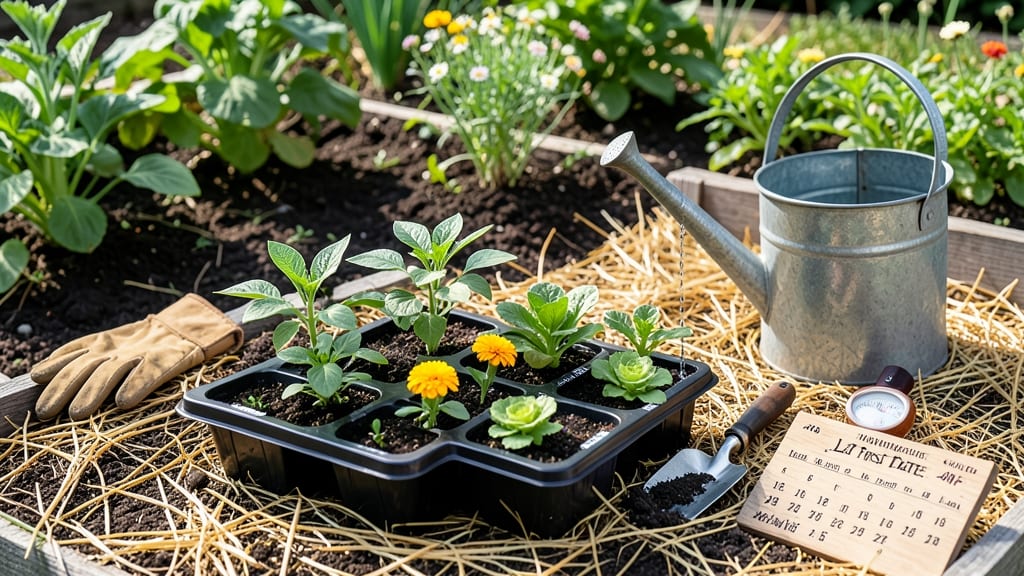
Planting your garden in Virginia at the right time means the difference between a bountiful harvest and a wasted season—and the exact window shifts wildly from the coast to the mountains.
Virginia’s diverse microclimates—from the coastal plains to the Appalachian foothills—mean your garden’s planting schedule can vary by weeks, not just days. Get the exact zero-frost deadlines for your Virginia zone to maximize yields and avoid costly mistakes.
Whether you’re in the warm Tidewater region where spring arrives by February or the cooler Blue Ridge, timing is everything. Miss the mark, and you’ll either have seedlings fried by early heat or stunted by late frosts.
Below, I break down the precise planting windows for Virginia’s most popular crops, regional adjustments for frost pockets, and how to stretch your growing season with simple tricks—so you can finally stop guessing and start growing.
Virginia’s planting zones & zero-frost deadlines by region
Virginia spans USDA hardiness zones 5a through 8a, creating dramatic differences in planting timelines. The coastal plains (like Norfolk) can start warm-season crops by March 15, while mountain regions (like Roanoke) often wait until May 1.
These variations mean your zero-frost deadline could shift by 6 weeks depending on elevation and proximity to water.
NOAA data shows Virginia’s average last frost dates range from March 10 in zone 8a to May 15 in zone 5a. However, microclimates like urban heat islands (Richmond) or frost pockets (Shenandoah Valley) can push these dates by 1-2 weeks in either direction.
Always use historical averages as guidelines, not rules.
For cool-season crops (like lettuce or peas), you can start seeds 4-6 weeks before your last frost date. Warm-season plants (tomatoes, peppers) need soil temperatures above 60°F and should wait until 2 weeks after your zero-frost deadline. This timing prevents transplant shock from sudden cold snaps.
Here’s how Virginia’s zones break down with zero-frost deadlines, planting windows, and regional notes to help you plan:
| USDA Zone | Avg. Last Frost | Zero-Frost Deadline | Cool-Season Start | Warm-Season Start | Regional Notes |
|---|---|---|---|---|---|
| 8a (Coastal: Norfolk, Virginia Beach) | March 10 | April 15 | Feb 15 | April 30 | Humid, watch for fungal diseases. |
| 7b (Piedmont: Richmond, Charlottesville) | March 25 | April 25 | Feb 28 | May 10 | Urban heat islands can extend growing season. |
| 6b (Valley: Roanoke, Staunton) | April 10 | May 5 | March 15 | May 20 | Frost pockets delay planting by 1-2 weeks. |
| 5b (Mountains: Blacksburg, Abingdon) | April 25 | May 15 | March 30 | June 1 | Shorter growing season; prioritize quick-maturing varieties. |
In zone 8a (coastal Virginia), you can direct-sow warm-season crops like okra as early as April 1, while zone 5a gardeners should wait until June 1 to avoid frost damage.
For cool-season crops, zone 8a can plant spinach in January, but zone 5a must wait until March.
Use row covers or cold frames to extend your zero-frost window by 2-4 weeks in colder zones. For example, in zone 6b, covering broccoli can push harvests into late November instead of early October.
Always monitor local weather forecasts—a late frost in April can wipe out tender seedlings overnight.
Pro tip: Test your soil temperature with a soil thermometer before planting warm-season crops. Peppers and tomatoes need soil at 60°F+ to germinate properly. If your soil is below 55°F, wait another 1-2 weeks
Microclimate adjustments: how to plant 2-4 weeks earlier (or later) in Virginia
Virginia’s microclimates create unique challenges—some areas like the Shenandoah Valley experience frost pockets weeks after coastal regions. Meanwhile, Richmond’s urban heat islands can push planting dates earlier by 2-3 weeks. Understanding these variations lets you extend your growing season without risking frost damage.
For mountainous areas (like the Blue Ridge), cold air settles in valleys, delaying spring planting by up to 4 weeks. In contrast, low-lying coastal zones (Norfolk, Hampton Roads) often see earlier last frosts—sometimes 2 weeks ahead of Piedmont averages.
The key is adjusting your schedule based on local frost history and terrain-specific conditions.
- Use frost blankets or row covers to plant 2-3 weeks earlier in frost-prone zones (Shenandoah, Appalachians). These create a 5-10°F warmer microclimate overnight.
- Lay covers after sunset to trap heat; remove by 10 AM for airflow.
- Secure edges with bricks or soil to prevent wind damage.
- In urban heat islands (Richmond, Norfolk), plant heat-tolerant varieties like okra or sweet potatoes 2 weeks earlier than zone averages. These thrive in 90°F+ soil temps.
- Test soil temperature with a thermometer—ideal range is 60-70°F for most warm-season crops.
- Use mulch (straw or black plastic) to maintain consistent warmth.
- For elevated areas (Blue Ridge, 2,000+ ft), wait until after May 15 for warm-season crops. Use cold-hardy varieties like kale or broccoli for earlier starts.
- Plant cool-season crops under cloche tunnels for a 3-week head start.
- Avoid tomatoes or peppers until soil reaches 65°F+.
Soil warming hacks can shift planting dates by 1-2 weeks in cooler microclimates. Try black plastic mulch or clear plastic tunnels to raise soil temps by 10-15°F. For example, in the Piedmont region, this lets you plant tomatoes or peppers by late April instead of mid-May.
Selecting microclimate-adapted plants is just as critical. In frost pockets, choose cold-tolerant varieties like 'Winterbor' kale or 'Blue Lake' bush beans, which handle 28°F temps. For urban heat zones, opt for drought-resistant plants like zucchini or Swiss chard that thrive in high-temperature stress.
Monitor local frost alerts from NOAA or Virginia Cooperative Extension to fine-tune your schedule. For instance, the Shenandoah Valley often sees late frosts in mid-May, while Tidewater Virginia may be frost-free by early March.
Adjusting by even 5 days can mean the difference between successful harvests and wasted seeds.
Pro tip: Keep a garden journal to track your local microclimate’s frost patterns. Note when row covers fail or soil warms unexpectedly. Over 3 years, you’ll spot trends that let you plant with confidence—even if it’s 2 weeks off from the zone average.