
Planting
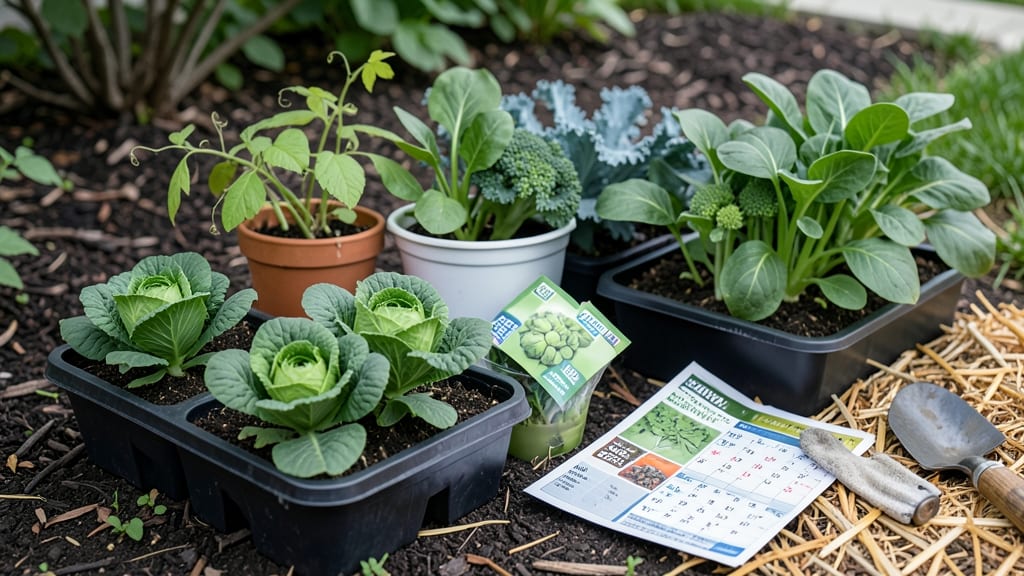
Planting your garden in Wisconsin at the right time means the difference between a bountiful harvest and a frost-wiped-out disaster.
Wisconsin gardeners know timing is everything—plant too early and frost will wipe out your hard work, but wait too long and you’ll miss peak harvests. With frost-free dates varying by over 3 weeks across the state, knowing the perfect planting window for your county is non-negotiable for a thriving garden.
From the chilly shores of Lake Superior to the warmer pockets of southern Wisconsin, each region has its own rhythm. Cool-season crops like spinach and peas can handle early spring plantings, while tomatoes and peppers need to wait until the soil warms up—usually after Memorial Day in most areas.
In this guide, you’ll find frost-free date breakdowns by county, soil prep tips for Wisconsin’s clay-heavy soils, and adjustments for container gardening in urban areas.
Whether you’re a beginner or a seasoned gardener, these insights will help you maximize your growing season and avoid common mistakes that waste precious planting windows.
Wisconsin frost-free dates by County: critical planting windows for vegetables & flowers
Wisconsin's frost-free dates can shift dramatically from north to south, making precise timing essential for your garden's success. The last spring frost typically arrives between late April and early June, while the first fall frost hits anywhere from early September to mid-October.
These variations mean your Madison garden might have 45 days more growing season than Door County, so let's break down the critical windows by region.
For cool-season crops like spinach, peas, and lettuce, you can start seeds indoors 4-6 weeks before your last frost date. Meanwhile, warm-season plants such as tomatoes, peppers, and cucumbers need soil temperatures above 50°F (10°C) to thrive—wait until after your last frost to plant these directly outdoors.
Urban gardeners in Milwaukee or suburban areas often enjoy slightly warmer microclimates than rural counties, so adjust accordingly.
Pro Tip: Use a soil thermometer to confirm readiness—air temperature and soil temperature don't always align. For example, in Dane County, soil may warm up faster than in Bayfield County, even if both have similar last frost dates.
| County | Last Spring Frost (Avg.) | First Fall Frost (Avg.) | Cool-Season Start | Warm-Season Start |
|---|---|---|---|---|
| Brown | May 5 | Oct 1 | Apr 15 | May 15 |
| Dane | May 10 | Sep 25 | Apr 20 | May 20 |
| Door | May 20 | Sep 10 | Apr 25 | May 25 |
| Milwaukee | May 12 | Sep 30 | Apr 18 | May 18 |
| Outagamie | May 8 | Sep 28 | Apr 16 | May 16 |
| Walworth | May 3 | Oct 5 | Apr 10 | May 10 |
Dates based on 2023-2024 averages. Check local forecasts for real-time adjustments.
In northern Wisconsin, like in Bayfield County, the growing season is shorter, so focus on fast-maturing varieties and consider using row covers to extend your harvest. For example, plant bush beans or radishes—they mature in just 45-55 days, giving you a quick harvest before fall frost.
For southern Wisconsin, including Rock County and Racine County, you have more flexibility. Here, you can even try fall planting of spinach or kale in early August for a late-season harvest. Just remember: soil temperature drops faster than air temperature in fall, so monitor closely.
Urban gardeners in Milwaukee or Madison often experience urban heat islands, which can push frost dates back by 3-5 days. If you're in a city, take advantage of containers or raised beds—they warm up faster in spring and stay warmer longer in fall.
This gives you an extra 1-2 weeks of growing time compared to rural areas.
One common mistake is relying solely on air temperature rather than soil temperature. For tomatoes and peppers, soil should be at least 60°F (15°C) for optimal growth. Use a soil thermometer to confirm—especially in cooler counties like Chippewa or Clark.
If you're unsure about your county's exact frost dates, check the Wisconsin State Climatology Office or use apps like Old Farmer's Almanac for real-time updates. For container gardening, you can often plant 2 weeks earlier than in-ground gardens because containers warm up faster. Just ensure they have drainage holes
How to adjust planting dates for Wisconsin’s microclimates & soil conditions
Wisconsin’s diverse microclimates mean your neighbor’s perfect planting window might be a disaster for your garden. Door County’s cool maritime climate can delay spring planting by weeks compared to southern Wisconsin’s warmer zones like Dane County.
The key? Using USDA Plant Hardiness Zones alongside your local frost dates to fine-tune your schedule.
Start by checking your USDA Zone (3-5 in Wisconsin) and cross-reference it with your average last frost date. For example, Zone 4 areas like Green Bay typically see frost until May 15, while Zone 5’s Milwaukee averages May 1.
But don’t stop there—soil temperature matters more than air temperature for seed germination.
Use row covers in cold zones
Extend spring planting by 2-4 weeks in Door County or northern Wisconsin using floating row covers. These create a 5-10°F warmer microclimate, letting you plant cold-sensitive crops like tomatoes earlier.
Choose cold-hardy varieties
Swap standard tomatoes for ‘Stupice’ or ‘Mountain Merit’—both tolerate 28°F for short periods. For greens, ‘Winter Density’ kale thrives in Zone 3 with fall planting.
Warm soil with black plastic mulch
Lay black landscape fabric 2 weeks before planting to raise soil temps by 10-15°F. Ideal for southern Wisconsin to jumpstart peppers and eggplants in late April.
Adjust for urban heat islands
Cities like Milwaukee can be 5°F warmer than rural areas. Plant heat-loving crops like okra or sweet potatoes 2 weeks earlier than county averages.
Track soil temperature, not air temp
Use a soil thermometer—most seeds need 50-60°F to germinate. Northern Wisconsin soils may hit this in late May, while southern zones reach it by mid-April.
For extended fall harvests, use low tunnels or cold frames to push your first frost date back by 4-6 weeks. In Zone 4, this means you can harvest spinach and kale until mid-November instead of early October.
Pair this with succession planting—sow radishes every 2 weeks to ensure a steady supply.
Don’t forget to test your soil in early spring. Wisconsin’s clay-heavy soils in the north drain poorly, while sandy soils in the south dry out fast. Amend with compost or peat moss to improve moisture retention in Zone 3 or add perlite for drainage in Zone 5.
A pH test will reveal if your soil needs lime (for acidic soils) or sulfur (for alkaline soils).
Pro tip: Bookmark the UW Extension’s Frost Date Calculator and adjust your planting dates annually—Wisconsin’s climate is shifting, with last frost dates arriving 3-5 days earlier each decade. Stay flexible, and your garden will reward you with longer harvests and fewer losses! 🌱