
Planting
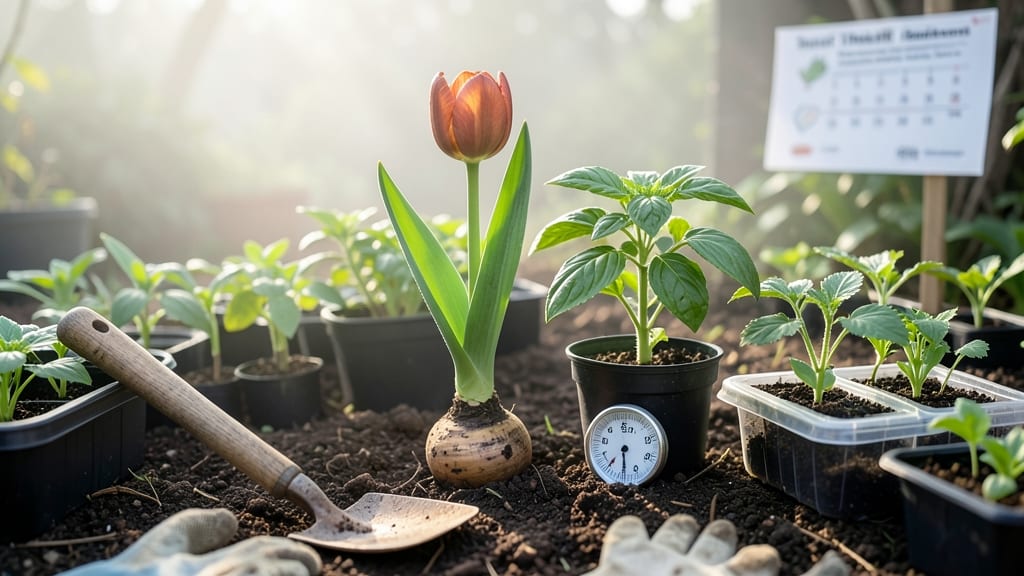
Planting your garden in Zone 7 after the last frost—typically between March 15 and April 15—sets the stage for a bumper crop or a season of disappointment.
Timing your garden planting in Zone 7 can mean the difference between a thriving harvest and a wasted season—so knowing exact last-frost dates by crop type is non-negotiable.
Cool-season crops like lettuce and peas need to hit the soil 4-6 weeks before your last frost, while tomatoes and peppers wait until the danger has passed entirely.
But here’s the catch: Zone 7’s microclimates vary wildly, from cooler mountain valleys to urban heat islands where frost arrives earlier than you’d expect.
Below, I break down the ideal planting windows for every major crop, how to adjust for your specific corner of Zone 7, and the 5 biggest mistakes that derail even the most well-intentioned gardeners.

Zone 7 last-frost dates by month: exact planting windows for vegetables, flowers & herbs
Getting your planting schedule right in Zone 7 means knowing when to plant cool-season crops before summer heat arrives and when to sow warm-season plants after the last frost.
Historically, most of Zone 7 experiences its last frost between March 15 and April 15, while the first frost typically arrives October 15–November 15. These dates can shift by 2–4 weeks depending on whether you're in the Piedmont region (cooler nights) or Coastal areas (warmer microclimates).
For cool-season vegetables like lettuce, spinach, and peas, your planting window opens in early spring (February–March) and late summer (August–September). These crops thrive when soil temperatures stay below 75°F, so aim to harvest before summer heat sets in.
Meanwhile, warm-season crops such as tomatoes, peppers, and basil need to wait until after your last frost date, ideally when soil temperatures reach 60°F+.
Here’s a quick reference for your Zone 7 planting calendar, broken down by crop type and regional variations:
| Crop Type | Planting Window (Zone 7) | Piedmont Adjustment | Coastal Adjustment | Key Notes |
|---|---|---|---|---|
| Cool-Season Veggies | Feb 15–Mar 15 (spring) / Aug 15–Sep 15 (fall) | Delay by 1–2 weeks | Start 1 week earlier | Soil temp <65°F; harvest before heat |
| Warm-Season Veggies | Apr 15–May 15 (after last frost) | Wait until May 1 | Start by Apr 1 | Soil temp >60°F; mulch for heat |
| Herbs (Basil, Cilantro) | Mar 20–Apr 15 (spring) / Sep 1–Oct 15 (fall) | Delay basil until May | Start cilantro in Feb | Basil bolts in heat; cilantro prefers cool |
| Flowers (Marigolds, Zinnias) | Apr 15–May 15 (direct sow) | Wait until May 10 | Start by Apr 1 | Full sun; deadhead for blooms |
| Succession Planting | Every 2–3 weeks (spring–fall) | Stagger by 1 week | Start 1 week earlier | Extend harvests for lettuce, radishes |
For Piedmont gardeners, cooler nights mean delaying warm-season crops until May 1 to avoid frost damage. If you’re in a Coastal Zone 7 area, you can start warm-season plants like tomatoes and peppers as early as April 1, thanks to warmer soil temperatures.
Always check your local Almanac’s frost predictions for the most accurate dates—my garden in Raleigh, NC, typically sees its last frost around April 5, while Charlotte’s can be as late as April 15.
Pro tip: Use row covers to extend your spring planting window by 2–3 weeks for heat-sensitive crops like broccoli or cabbage. These lightweight fabrics protect seedlings from late frosts while allowing sunlight and water through.
For warm-season crops, wait until nighttime temperatures consistently stay above 55°F—this usually aligns with your last frost date but can vary yearly.
Herbs like basil and cilantro have
How to adjust planting dates for early vs. late Zone 7 microclimates
Zone 7 spans from the cool highlands of the Blue Ridge Mountains (where frost lingers until April 30) to urban heat islands like Raleigh or Richmond (where last frosts often occur by March 15).
These microclimates can shift planting windows by 4-6 weeks, so knowing how to adjust is critical for success.
In cooler highland areas, gardeners often use row covers or cold frames to extend seasons, while urban gardeners may need heat-tolerant varieties or shade cloth to protect tender plants.
The key is matching your local frost dates to your planting strategy—whether that’s starting early with cold-hardy crops or delaying heat-sensitive ones.
🌱 Comparison Table: Safe vs. Risky Planting Adjustments
For cooler microclimates, I recommend starting spinach, kale, and peas under floating row covers as early as February 15. These protective covers raise soil temperatures by 5–8°F, accelerating germination and giving you an edge when frost still threatens.
In my Blue Ridge garden, this strategy lets me harvest baby greens by April 1, a full month ahead of unprotected plantings.
In urban heat islands, focus on succession planting to replace bolting lettuce or flowering basil. For example, sow bush beans every 2 weeks from April 15–June 1 to ensure a continuous harvest.
Heat-tolerant varieties like ‘Black Seeded Simpson’ lettuce or ‘Solar Fire’ peppers thrive in these conditions, while shade cloth (30–50%) can protect cucumbers from wilting in 90°F+ temps.
One critical mistake is ignoring soil temperature—warm-season crops like tomatoes won’t germinate below 55°F, even if air temps are mild. Use a soil thermometer to confirm readiness, and consider black plastic mulch to warm highland soils faster.
In urban areas, drip irrigation helps maintain consistent moisture during heatwaves, reducing transplant shock.
🌿 Adjusting for microclimates isn’t just about dates—it’s about strategic flexibility. Whether you’re in the mountains or the city, observe your garden’s patterns for 2–3 years to fine-tune your schedule.
Start a planting journal to track frost dates, soil warmth, and harvest success—it’s the best tool for mastering your local growing rhythm.