
Plants
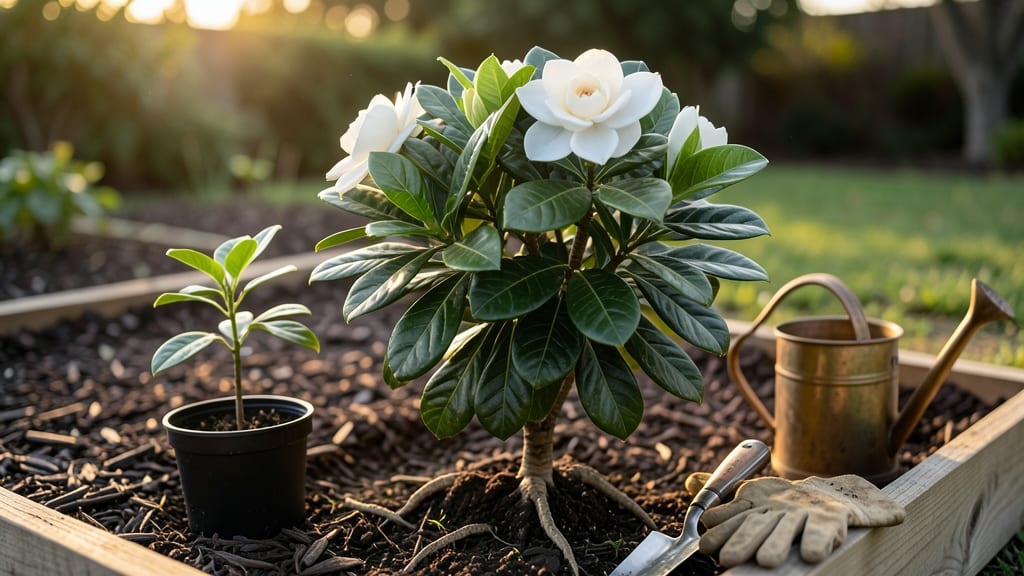
Plant gardenias in North Carolina after the last frost date—typically mid-March to April—or in fall between September and October for the best root establishment.
If you’ve ever waited too long and watched your fragrant 🌸 gardenias struggle through summer heat, you know timing is everything. The key is avoiding both early frosts and the brutal NC summer, which can stress young roots before they’ve had a chance to settle.
North Carolina’s Zone 7b and 8a climates mean your planting window shifts slightly depending on whether you’re in the Piedmont or coastal regions. Coastal areas can start a little earlier, while inland zones may need to wait until late April to be safe.
Below, I’ll break down the exact frost-free dates by zone, how to prep your soil for acidic-loving gardenias, and the critical care steps to keep your plants thriving once they’re in the ground.
NC frost-free dates for planting gardenias by Zone (7b vs 8a)
North Carolina's USDA Zones 7b and 8a create distinct planting windows for gardenias, where timing can mean the difference between thriving blooms and struggling shrubs. In Zone 7b, gardeners face slightly later last frosts, while Zone 8a enjoys an extended growing season.
Understanding these differences helps you avoid cold snaps that can damage tender new growth.
Gardenias thrive when planted after the average last frost date, which typically falls around March 15 in Zone 7b and March 1 in Zone 8a. However, microclimates—like sheltered valleys or coastal areas—can shift these dates by 2-3 weeks.
Always check your local NC State Climate Office for precise frost data before planting.
For gardeners in Zone 7b, the safest planting window runs from mid-April to early May, allowing roots to establish before summer heat arrives. Meanwhile, Zone 8a gardeners have a longer window, from late March to early April, with fall planting possible until mid-October.
Fall planting is ideal in Zone 8a because it gives gardenias time to root before winter dormancy. In Zone 7b, fall planting carries more risk due to earlier frosts, but late September can work if you choose hardy varieties like 'Kleim's Hardy' gardenia.
Soil temperature is just as critical as air temperature. Gardenias won't thrive until the soil reaches 60°F (15°C). Use a soil thermometer to confirm readiness—planting too early in cold soil can stunt root growth and invite root rot.
Here’s how to adjust for microclimates in NC: Coastal areas (like Wilmington) often experience milder winters, allowing earlier spring planting (as early as February). Inland regions (like Asheville) may need to wait until late April due to colder nights.
| Factor | Zone 7b (Asheville) | Zone 8a (Raleigh) |
|---|---|---|
| Last Frost Date | March 15 - April 1 | March 1 - March 15 |
| Optimal Planting Window | Mid-April to Early May | Late March to Early April |
| Fall Planting Window | Late September (high risk) | Mid-September to Mid-October |
| Soil Temp for Planting | 60°F (15°C) minimum | 60°F (15°C) minimum |
| Microclimate Adjustment | Wait 2-3 weeks longer in valleys | Plant 1-2 weeks earlier near coast |
| Hardiness Tip | Mulch heavily for winter | Use frost cloth for late blooms |
If you’re planting in Zone 7b, prioritize spring planting (April-May) to avoid winter damage. In Zone 8a, both spring and fall planting work, but fall-planted gardenias often bloom earlier the following year because they establish roots before summer heat.
For gardeners in transition zones (like Zone 7a/7b bordersafter May 1 to account for late frosts. Always monitor your local NC Cooperative Extension for frost advisories, especially in elevated areas where cold air settles.
Pro tip: Test your soil’s acidity (pH 5.0-6.0) before planting—gardenias hate alkaline soil. Amend with sulfur or peat moss if needed, and mulch with pine needles to maintain acidity. This step is non-negotiable for bloom success in both zones.
Finally, choose your gardenia variety wisely. 'Radicans' and 'Kleim's Hardy' tolerate Zone 7b's colder nights, while 'Veitchii' thrives in Zone 8a's warmth. Match your plant to your microclimate for the best results.
5 Signs your gardenia planting timing is perfect (or too late)
Planting gardenias at the right time in North Carolina can mean the difference between a thriving shrub and one that struggles to survive. The key is reading your local climate cues—especially in Zones 7b and 8a, where last frost dates and soil warmth shift dramatically between regions.
I’ve learned the hard way that rushing too early or waiting too late can stress your gardenia, making it vulnerable to root rot or winter damage. Here’s how to tell when it’s truly the perfect moment to plant.
First, focus on the soil temperature. Gardenias thrive when the ground stays consistently above 60°F—any cooler, and root growth stalls. In most of NC, this aligns with late March to early April for spring planting. But don’t just guess: use a soil thermometer to check 6 inches deep.
If it’s hovering around 65°F or warmer, your gardenia’s roots will thank you. For fall planting, aim for 6-8 weeks before the first frost, typically September to early October, to give roots time to establish before winter.
Plant when soil is 60°F+ (spring) or 65°F+ (fall). Use a thermometer to confirm—cold soil stalls root growth.
New growth on bare-root plants signals they’re ready. Avoid planting if leaves are still dormant—wait for green buds to appear.
Check for 5+ days without frost (spring) or stable temps above 50°F (fall). Sudden cold snaps can shock young roots.
Plant on a dry, cloudy day to avoid compacting soil. Heavy rain within 48 hours can drown roots before they acclimate.
For potted gardenias, check roots: White, fibrous roots mean it’s ready. Black or mushy roots? Wait or repot first.
Another critical sign is leaf emergence. If you’re planting bare-root gardenias, wait until you see green buds or new growth. Dormant plants with no leaves are still conserving energy and won’t establish roots quickly.
I once planted a gardenia in early March with no leaves—it took twice as long to recover, and the first summer, it barely bloomed. Patience here pays off: wait for active growth before digging into the soil.
Don’t ignore the local weather forecast, either. A sudden cold snap can undo all your hard work. In Zone 7b, for example, late-March frosts still happen, while Zone 8a coastal areas might be safe by early March.
Use the National Weather Service’s frost predictions and add a 10-day buffer to your planting date. Pro tip: If frost is predicted within 5 days of planting, delay until conditions stabilize. Your gardenia’s roots will thank you with faster growth and fewer diseases.
Finally, avoid planting during heavy rain or right before a storm. Wet soil compacts easily, suffocating roots and inviting fungal diseases like root rot. Instead, choose a dry, overcast day—the cloud cover reduces stress on the plant while the lack of rain keeps the soil workable.
I’ve found that Tuesday or Wednesday mornings often work best: enough time to plant before weekend heat arrives, but not so late that the weekend’s rain catches you off guard.
Timing your gardenia planting right isn’t just about the calendar—it’s about reading your soil, plants, and sky. When all five signs align, you’ll give your gardenia the best shot at thriving in NC’s humid climate. And trust me, those first sweet-scented blooms in summer are worth the wait. 🌸