
Planting
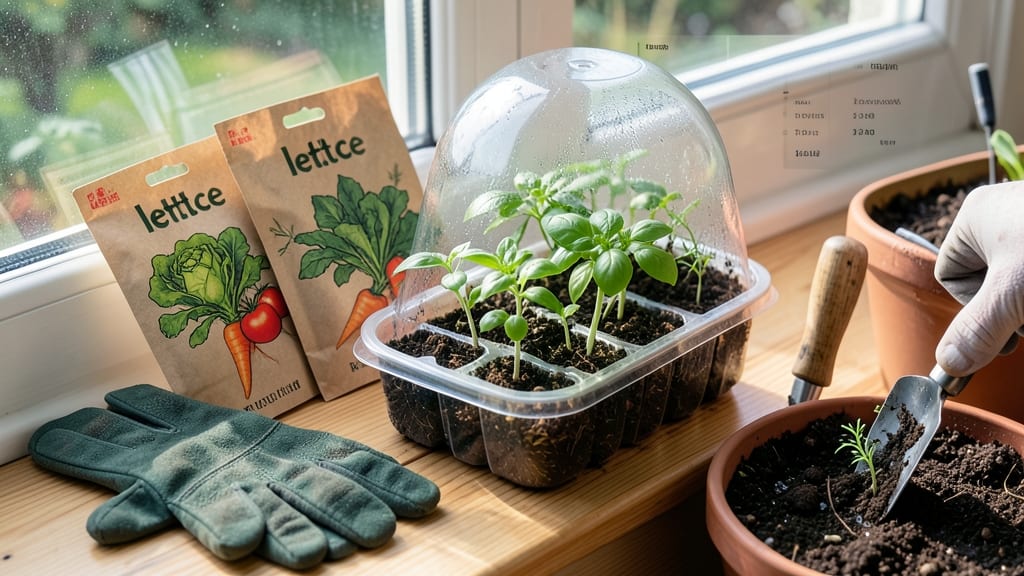
To plant seeds in your garden at the perfect time means catching the sweet spot between frost and heat—miss it, and you’re either waiting for soil to warm or watching seedlings fry.
Timing isn’t just about memorizing dates; it’s about reading your zone’s last frost (like April 15 in USDA 6a) and matching it to seed types. Cool-season crops like lettuce can handle chilly soil, while tomatoes need warmth to even think about sprouting.
This guide breaks down exactly when to start seeds indoors, transplant outdoors, and adjust for weird weather—so you avoid the heartbreak of bolted greens or stunted veggies.
From frost dates to soil temps, you’ll learn the zone-specific rules that turn guesswork into a harvest you can count on.
USDA planting zones and frost dates for seed starting
Understanding your USDA Planting Zone and frost dates is the foundation of successful seed starting. These factors determine when to plant cool-season crops like lettuce or warm-season crops like tomatoes, ensuring optimal growth and avoiding frost damage. Each zone (3-10) has distinct last frost dates that dictate your planting windows.
For example, Zone 3 gardeners face much earlier frosts than Zone 10, meaning their planting seasons are shorter. Cool-season crops thrive when planted 4-6 weeks before the last frost, while warm-season crops need to wait until 2 weeks after the frost-free date.
Let’s break down how these zones and frost dates shape your seed-starting timeline.
📋 Here’s how frost dates impact your planting: - Cool-season crops (spinach, peas) can handle light frosts and should go in early. - Warm-season crops (beans, peppers) need soil temperatures above 60°F to germinate. - Extreme zones (like Zone 10) may plant year-round, while northern zones (like Zone 3) must rush to beat frost.
| USDA Zone | Avg. Last Frost | Avg. First Frost | Cool-Season Window | Warm-Season Window |
|---|---|---|---|---|
| Zone 3 | May 10 | September 20 | March 20 - April 30 | June 1 - July 15 |
| Zone 5 | April 25 | October 10 | March 1 - April 15 | May 15 - June 30 |
| Zone 7 | April 1 | November 15 | February 15 - March 31 | April 15 - July 15 |
| Zone 9 | February 15 | December 15 | January 1 - February 28 | March 1 - August 31 |
| Zone 10 | January 1 (varies) | December 31 (varies) | Year-round (cool crops) | Year-round (warm crops) |
In Zone 3, where the last frost hits May 10, you’ll need to start cool-season crops indoors in March to transplant outdoors by April 30. Meanwhile, Zone 10 gardeners enjoy year-round planting, with only minor adjustments for seasonal crops.
Always check your local frost dates—they can vary by 1-2 weeks even within the same zone.
For warm-season crops, soil temperature matters more than air temperature. Use a soil thermometer to confirm it’s above 60°F before planting tomatoes or peppers. In Zone 5, for example, this typically aligns with late May, while Zone 9 can start as early as March.
Don’t forget about succession planting! In shorter seasons (like Zone 3), you can squeeze in 2-3 plantings of fast-growing crops like radishes or lettuce. Meanwhile, longer seasons (Zone 9-10) allow for continuous harvests with staggered plantings every 2-3 weeks.
If you’re unsure about your zone, use the USDA Interactive Plant Hardiness Map to pinpoint your exact location. Even a 1-zone difference can shift your planting window by 2-4 weeks.
For example, Zone 6a (avg. last frost: April 15) differs from Zone 6b (avg. last frost: April 22), which may seem small but impacts early spring plantings.
Pro tip: Bookmark your local cooperative extension service for real-time frost alerts. They often provide weekly updates on frost risks, helping you adjust planting dates if an early frost is forecasted. This is especially critical for tender seedlings like basil or cucumbers.
Finally, remember that microclimates (like urban heat islands or sheltered valleys) can create earlier frost-free zones within your area. Test your soil temperature and observe nearby gardens to fine-tune your planting schedule. With this zone-based approach, you’ll avoid frost damage and maximize your garden’s potential.
Best seeds to plant by month: a Zone-specific guide
Planting seeds at the right time ensures strong starts and bountiful harvests, but timing varies dramatically between zones 5-8. In cooler Zone 5, you’ll focus on early spring and fall plantings, while Zone 8 gardeners enjoy extended summer growing seasons.
The key is matching cool-season crops with spring/fall and warm-season crops with summer heat. Let’s break it down month by month for your zone.
For spring planting, prioritize cool-hardy vegetables like lettuce, peas, and spinach in March-April, while warm-season favorites such as tomatoes and peppers wait until May-June after frost risk passes.
In summer, focus on heat-loving crops like okra and sweet potatoes, while fall plantings should include kale, carrots, and radishes to harvest before winter sets in.
Cool-season crops: Lettuce, spinach, peas, radishes, carrots, broccoli, cabbage. Plant 4-6 weeks before last frost date.
Warm-season crops: Tomatoes, peppers, cucumbers, beans, corn, squash. Wait until soil reaches 60°F+.
Heat-tolerant crops: Okra, sweet potatoes, southern peas, Swiss chard. Succession plant for fall harvests.
Fall crops: Kale, Brussels sprouts, beets, turnips, garlic. Plant 6-8 weeks before first frost for Zone 5; later for Zone 8.
Winter greens: Spinach, arugula, radishes. Use row covers to extend harvest into cooler months.
In Zone 5, where growing seasons are shorter, focus on fast-maturing varieties like bush beans or early cabbage to avoid frost damage. Meanwhile, Zone 8 gardeners can stretch seasons with fall plantings of broccoli or even winter radishes under protective covers.
Always check your last frost date—a critical factor for timing!
For herbs and flowers, basil and marigolds thrive in summer heat, while parsley and pansies prefer cooler spring/fall conditions. Adjust spacing for crowded crops like carrots (thin seedlings!) and vining plants like cucumbers (provide trellises). A simple trick: use biodegradable pots for direct sowing to avoid transplant shock.
Pro tip: Start slow-germinating seeds like onions indoors 8-10 weeks before last frost, then transplant outdoors. For direct-sown seeds, like peas, wait until soil warms to 50°F+ to prevent rot. Always water seeds gently but deeply—a spray bottle works best for tiny seeds.
Remember, soil temperature matters more than air temperature. Use a soil thermometer to confirm readiness—most seeds need 50-70°F soil to germinate. Happy planting! 🌱