
Vegetables
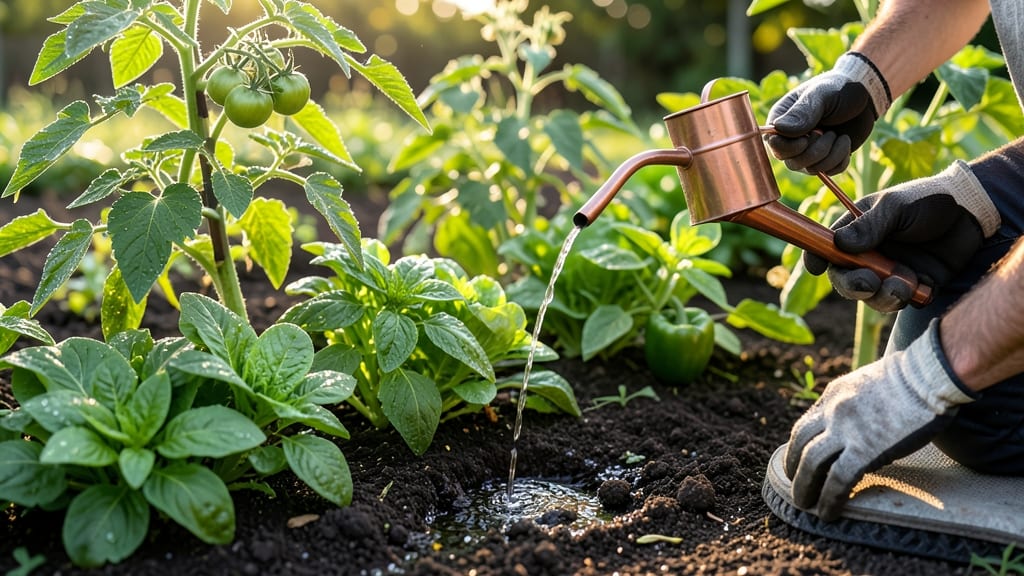
Watering your 🥬 vegetable garden at the best time of day isn’t just about convenience—it’s the difference between thriving plants and wasted effort.
Struggling to keep your vegetable garden thriving? The secret might be hiding in your watering schedule—because timing can make the difference between lush plants and wasted water.
Most gardeners assume evening watering keeps roots cool, but science shows early morning is the real game-changer. Why? Because it lets plants soak up moisture before the sun evaporates it, slashing waste and preventing fungal issues.
In this guide, I’ll break down the ideal watering window, how climate affects your routine, and simple tweaks to save water while keeping your garden healthier than ever.
Why early morning watering maximizes plant health and water efficiency
Watering your vegetable garden at the right time isn't just about convenience—it's a science-backed strategy that boosts plant health and saves water. When you water in the early morning hours, you tap into natural processes that help your plants thrive while minimizing waste.
The cooler temperatures and lower wind speeds of morning create ideal conditions for water absorption and retention.
One of the biggest advantages of morning watering is reduced evaporation. During hot afternoons, up to 30% of water can evaporate before it even reaches your plants' roots.
By watering between 6 AM and 10 AM, you ensure most of that water stays where it belongs—in the soil, nourishing your vegetables. This is especially critical during summer months when temperatures soar and humidity drops.
Another critical benefit is fungal disease prevention. Wet foliage that lingers overnight creates a perfect environment for blight and mildew to develop. Morning watering allows leaves to dry quickly, reducing the risk of these common garden pests.
For example, tomatoes and peppers, which are prone to fungal issues, benefit dramatically from this approach. Even leafy greens like lettuce and spinach stay healthier when their leaves aren't constantly damp.
Let's explore how temperature affects plant hydration. In the early morning, soil temperatures are cooler, which means water penetrates deeper and more efficiently. This deep watering technique encourages roots to grow downward, creating a stronger, more drought-resistant plant.
For instance, carrots and potatoes, which need consistent moisture, develop better when watered in the morning rather than sporadically throughout the day.
Here’s a quick comparison of how different watering times impact your garden’s efficiency and health:
| Time of Day | Evaporation Rate | Fungal Risk | Root Absorption | Best For |
|---|---|---|---|---|
| 6 AM - 10 AM | Low (10-20%) | Low (leaves dry quickly) | High (cool soil) | All vegetables |
| 10 AM - 4 PM | High (30-50%) | Moderate (hot foliage) | Moderate (surface watering) | Emergency watering |
| Evening (after 6 PM) | Moderate (20-30%) | High (wet overnight) | Low (shallow absorption) | Drought conditions (avoid if possible) |
For container gardens, morning watering is equally important. Potted plants dry out faster, and their roots are more exposed to temperature fluctuations. Watering in the morning ensures the soil stays moist without the risk of overwatering during the day.
For example, herbs like basil and cilantro wilt quickly if their containers dry out, but a morning watering session keeps them perky and productive.
If you're in a humid climate, like the southeastern U.S., morning watering still holds the edge. While humidity reduces evaporation, the risk of fungal diseases remains high. The key is to water early enough that foliage dries within a few hours.
For arid regions, like the Southwest, morning watering is even more critical—it maximizes the efficiency of every drop, ensuring deep root growth despite limited rainfall.
One common misconception is that watering in the evening is better because it cools the plants. However, this can backfire by creating ideal conditions for pests like slugs and snails, which thrive in damp, dark environments.
Instead, focus on morning watering and use mulch to retain moisture and regulate soil temperature throughout the day. A 2-3 inch layer of organic mulch, like straw or shredded leaves, can reduce water loss by up to 40%.
To make morning watering a habit, start by setting a timer or alarm for 6 AM on days when your garden needs water. If you're away from home, consider installing a smart irrigation system that delivers water at optimal times.
Even a simple drip irrigation setup can be programmed to run automatically in the early morning, saving you time and ensuring consistency. Over time, you'll notice healthier plants, fewer pests, and a more efficient use of water—all while spending less effort in the garden.
Remember, the goal isn't just to water your plants but to nurture them in a way that aligns with their natural rhythms. By embracing early morning watering, you're not just following a routine—you're giving your vegetable garden the best possible start to thrive. 🌱
Morning vs. evening watering: key differences and when to avoid each
Watering your vegetable garden at the right time isn't just about convenience—it's about maximizing root absorption and preventing fungal diseases. While morning watering is often recommended, evening watering has its place too. Let's break down the key differences so you can choose the best approach for your garden's needs.
Morning watering, ideally between 6 AM and 10 AM, allows water to seep deep into the soil before the heat of the day. This reduces evaporation and ensures plants have moisture when they need it most.
However, evening watering can be beneficial in specific situations, like hot climates where daytime evaporation is extreme.
Morning Watering
- Reduced evaporation - Water lasts longer in soil
- Lower fungal risk - Leaves dry quickly
- Better absorption - Roots absorb moisture efficiently
- Early commitment - Requires morning routine
- Less effective in frost - Can damage tender plants
Evening Watering
- Cooler temps - Less evaporation in heat
- Good for desert climates - Prevents daytime stress
- Attracts beneficial insects - Some pollinators are active
- Fungal growth risk - Wet leaves stay damp overnight
- Pest attraction - Mosquitoes thrive in standing water
- Less efficient absorption - Roots have less time to use water
For most vegetable gardens, morning watering is the gold standard. The 6-10 AM window gives plants a full day to absorb moisture while minimizing evaporation. However, if you live in a hot, dry climate, like the Southwest U.S., evening watering can be more effective by reducing daytime water loss.
One exception is when you're dealing with heat-stressed plants during peak summer. In these cases, a light evening watering can provide temporary relief. Always pair this with proper mulching to retain soil moisture and reduce the need for frequent watering.
Remember that leafy greens like lettuce and spinach benefit most from consistent morning watering, while root vegetables like carrots and potatoes can tolerate slightly drier conditions. Adjust your schedule based on your specific crops and local climate patterns.
If you must water in the evening, do so before sunset to give foliage time to dry, and avoid overhead watering to prevent fungal spores from settling on leaves. A drip irrigation system is ideal for evening watering as it delivers water directly to the roots where it's needed most.