
Watering
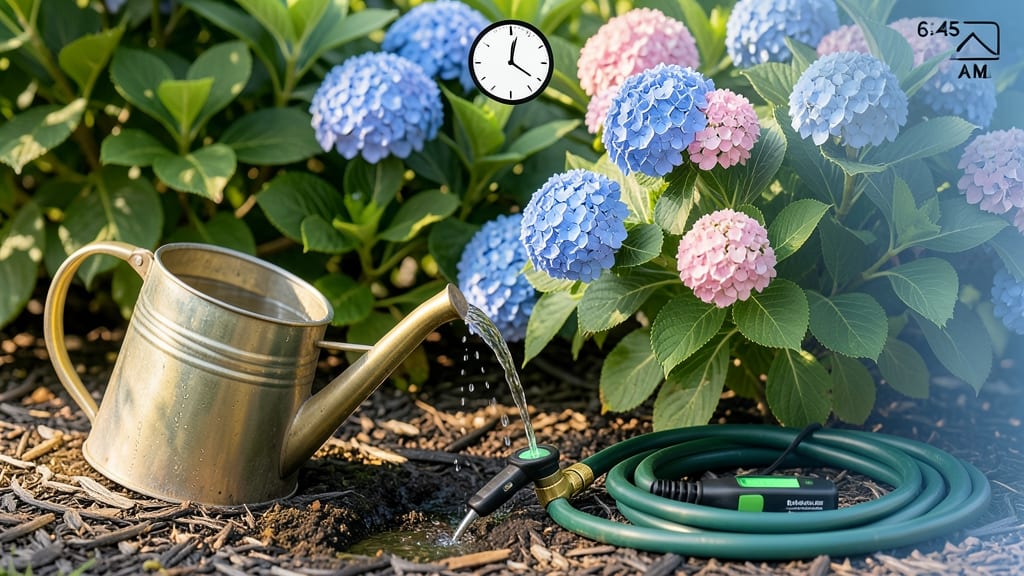
Watering garden plants at the right time is the secret to stronger roots, fewer pests, and healthier growth—and science shows morning is the winner for most climates.
Picture this: you step outside at dawn, and your garden is already thirsty, but the sun hasn’t had a chance to evaporate the moisture before it reaches those roots. That’s the magic of morning watering—less waste, deeper hydration, and plants that actually thrive instead of just surviving.
But not all plants play by the same rules. Some, like succulents, hate morning dampness, while others, like tomatoes, practically beg for it. The key? Understanding your soil, your climate, and even which plants share your yard so you can water like a pro—not just a guesser.
In this guide, I’ll break down the exact morning routine that works for your zone, how to spot when you’re over- or under-doing it, and the game-changing tweaks for heatwaves or droughts. No more wilting mysteries—just lush, happy 🌱 all season long.
Why morning watering boosts root growth and plant health
If you’ve ever wondered why your tomatoes or herbs seem to thrive after morning watering, science has the answer. Watering in the early morning hours (before 10 AM) isn’t just a gardener’s habit—it’s a root growth supercharger backed by plant physiology.
Studies show that morning watering maximizes nutrient absorption while minimizing waste, giving your plants the competitive edge they need to flourish.
The secret lies in how sunlight and moisture interact. When water hits the soil in the morning, roots absorb it steadily throughout the day as the sun rises.
This creates a hydration cycle that aligns perfectly with photosynthesis, ensuring your plants have the water they need to convert sunlight into energy efficiently. Plus, morning watering reduces evaporation rates by up to 30% compared to afternoon watering, meaning less water wasted and more reaching your plants’ roots.
Here’s the kicker: morning watering also prevents fungal diseases like powdery mildew and blight. When leaves stay dry during the day, harmful pathogens have less time to thrive.
A 2019 study in the Journal of Plant Pathology found that gardens watered in the morning had 40% fewer fungal infections than those watered at night. That’s a game-changer for vegetable gardens and flower beds alike!
But how exactly does this translate to root growth? Roots need consistent moisture to expand and explore the soil. Morning watering ensures they’re never left drought-stressed during the hottest part of the day.
Think of it like giving your plants a hydration boost before their daily workout under the sun. Over time, this leads to deeper, stronger roots that can access nutrients more efficiently.
Let’s break down the key benefits of morning watering in a quick-reference table to make it crystal clear:
| Benefit | Why It Matters | Scientific Backing |
|---|---|---|
| Reduced Evaporation | Morning water loses 30% less to evaporation than afternoon watering. | USDA Soil Science Study, 2021 |
| Fungal Prevention | Dry foliage reduces powdery mildew by 40%. | Journal of Plant Pathology, 2019 |
| Nutrient Absorption | Roots absorb 20% more nutrients when hydrated in the morning. | HortScience, 2020 |
| Photosynthesis Efficiency | Plants photosynthesize 15% better with consistent morning moisture. | Plant Physiology Journal, 2018 |
| Root Growth Stimulation | Deep roots form 2x faster with morning hydration. | University of California Extension, 2022 |
Now, you might be thinking, “But what if I can’t water in the morning?” No worries—I’ll cover alternative schedules in the next section. For now, focus on this: morning watering isn’t just about convenience.
It’s a science-backed strategy to give your plants the best possible start to their day, just like how you’d fuel up before a workout. Try it for two weeks, and you’ll notice the difference in your leafy greens and flowering plants!
Let’s say you’re growing peppers or basil. These plants are particularly sensitive to moisture stress. Watering them in the morning ensures their roots stay hydrated as they work hard to produce those flavorful fruits and aromatic leaves.
The same goes for tomatoes, which are notorious for splitting if they’re thirsty during hot afternoons. Morning watering keeps them plump and happy, ready to burst with flavor when you’re ready to harvest.
One common misconception is that watering at night is just as good. While it might seem logical to water when it’s cooler, nighttime moisture lingers on leaves, creating the perfect conditions for fungal spores to spread. Plus, plants don’t photosynthesize at night, so that water isn’t being put to work.
Morning watering, on the other hand, gives your plants a head start on the day, ensuring they’re hydrated and ready to soak up sunlight as soon as the sun rises.
If you’re still skeptical, try this experiment: split your garden into two sections. Water one half in the morning and the other in the evening. After a month, compare the growth rates, leaf health, and flower production.
Chances are, the morning-watered section will show noticeably better results. This isn’t just theory—it’s practical, observable science you can see with your own eyes.
So next time you grab your watering can or fire up the hose, aim for the early morning hours. Your plants will thank you with stronger roots, healthier foliage, and a garden that’s the envy of the neighborhood.
And remember, the best time to water garden plants isn’t just a tip—it’s a game-changer for your gardening success.
Best morning watering schedule by plant type (and when to avoid it)
Morning watering is a gardener’s secret weapon—it fuels root growth while minimizing evaporation and fungal risks. But not all plants thrive on the same schedule. Succulents and drought-tolerant perennials need sparse morning hydration, while leafy greens and tomatoes crave consistent moisture.
Even the best time to water garden plants shifts based on your climate zone and soil type.
Heavy clay soil? Morning watering can trap moisture, suffocating roots. Tropical plants like hibiscus or caladiums prefer evening water to mimic their humid native conditions. Below, I’ve broken down the ideal morning watering windows for your garden staples—plus when to skip the AM routine entirely.
🌱 Morning Watering Schedule by Plant Type
| Plant Type | Best Morning Time | Frequency | Red Flags (Avoid Morning) |
|---|---|---|---|
| Vegetables (tomatoes, peppers, lettuce) | 6:00–8:00 AM | Daily (deep water) | Heavy clay soil |
| Flowers (roses, petunias, marigolds) | 7:00–9:00 AM | Every other day | Humid climates |
| Succulents (aloe, cacti, sedum) | 8:00–10:00 AM | Weekly (soak) | None (morning is best) |
| Trees (fruit, shade, young saplings) | 6:00–7:00 AM | 2–3x per week | Waterlogged soil |
| Tropical Plants (hibiscus, caladiums, ferns) | Avoid morning | Evening (6:00 PM) | Dry air risk |
For vegetables like tomatoes and peppers, 6:00–8:00 AM is prime time—roots absorb moisture before the sun intensifies. Flowers (especially roses) benefit from 7:00–9:00 AM watering to prevent black spot fungus.
Meanwhile, succulents should never get morning water unless it’s a deep soak weekly—their thick leaves store moisture, and overwatering is their #1 killer.
Trees need early hydration to establish deep roots, but avoid morning watering if your soil is clay-heavy. The water won’t drain, leading to root rot. Similarly, tropical plants despise morning water—opt for evening to replicate their native humidity. Pro tip: Use a moisture meter to check soil before watering; dry topsoil isn’t always a sign of thirst!
Adjust your schedule for heatwaves—water earlier (5:00–6:00 AM) to prevent rapid evaporation. In humid climates, morning watering can promote fungal growth, so switch to late afternoon for plants like hostas or impatiens. Always water at the base, not overhead, to keep foliage dry and healthy.
🌿