
Fertilization
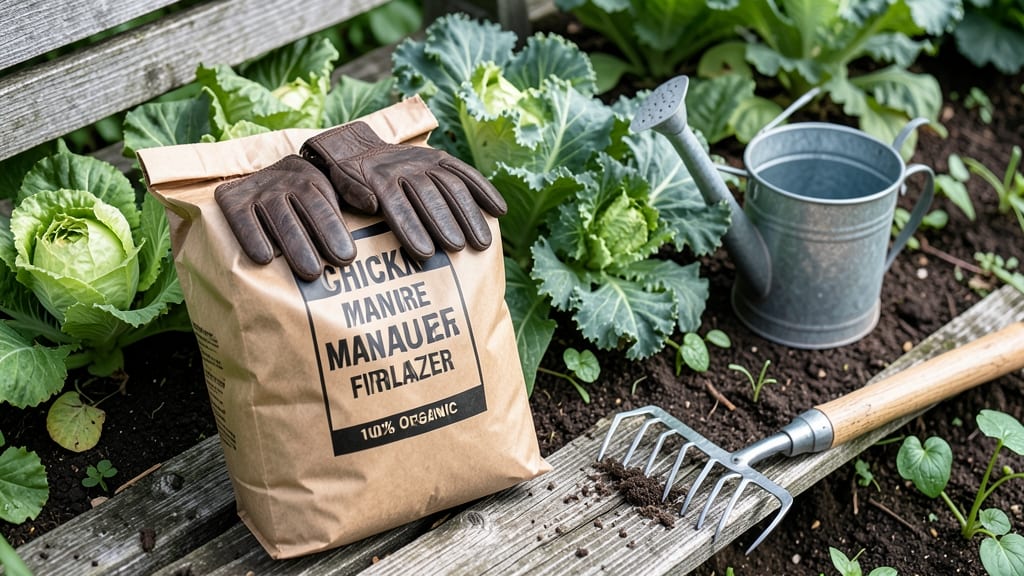
Using chicken fertilizer for gardens is the fastest way to give your plants a nutrient boost without the cost of synthetic options 🐔🌱.
Struggling to boost your garden’s growth without breaking the bank? Chicken fertilizer—one of nature’s most potent nitrogen sources—can transform your soil in weeks, not months.
This organic powerhouse isn’t just for backyard farmers; even container gardeners and urban plot owners can use it to grow healthier, faster vegetables and flowers.
Below, I’ll walk you through how to prepare it safely, apply it correctly, and avoid the common mistakes that burn plants instead of feeding them.
How to use chicken manure fertilizer for maximum plant growth
If you're looking to give your garden a powerful, natural boost, chicken manure fertilizer is one of the best organic options available. Packed with nitrogen and essential nutrients, it helps plants grow faster and healthier—but only if used correctly.
The key lies in proper preparation and application to avoid burning your plants while maximizing those nitrogen benefits.
Fresh chicken manure is intense—so intense it can scorch plant roots if applied directly. That’s why I always recommend composting it first for at least 3-6 months. This process breaks down the manure, making it safer and more effective for your garden.
Once aged, it becomes a nutrient-rich soil amendment that vegetables, flowers, and lawns will love.
Ready to unlock the full potential of chicken fertilizer? Here’s my step-by-step guide to using it safely and effectively in your garden.
If you’re buying it, opt for aged or composted chicken manure to skip the waiting time. If you have fresh manure, compost it in a pile or bin for 3-6 months until it’s dark, crumbly, and smells earthy (not ammonia-like).
Before applying, test your soil’s pH and nutrient levels. Chicken manure is high in nitrogen, so if your soil is already rich, you might only need a light application. Aim for a pH of 6.0-7.0 for most vegetables and flowers.
For vegetables and leafy greens, apply aged manure in early spring before planting or as a side-dressing mid-season. For flowers and lawns, work it into the soil in fall or early spring to build nutrients for the growing season.
For a liquid fertilizer, mix 1 part aged manure with 10 parts water and let it steep for 24-48 hours. Strain through a fine mesh or cheesecloth, then apply the tea to the soil (not leaves) every 4-6 weeks during the growing season.
Sprinkle 1-2 cups of aged manure per 10 sq ft around plants, keeping it 2-3 inches away from stems to prevent root burn. Water the area thoroughly to help nutrients penetrate the soil.
Watch for signs of over-fertilization, like yellowing leaves or rapid weed growth. If your plants look healthy but could use more nutrients, reapply every 4-6 weeks during the growing season. In fall, a light application helps build soil for next year.
One of my favorite uses for chicken manure is in raised garden beds. I mix it into the soil at the start of the season, and my tomatoes, peppers, and leafy greens thrive all summer long.
The key is consistency—don’t overdo it, but don’t skimp either. A little goes a long way when you’re working with such a nutrient-dense fertilizer.
For lawns, I recommend spreading a thin layer of composted manure in early spring and again in fall. This boosts root growth and gives your grass that lush, green look without the harsh chemicals found in synthetic fertilizers.
Just be sure to mow high to protect the grass blades from potential burn.
If you’re new to using chicken manure, start small with a test patch of your garden. This helps you gauge how your plants respond before committing to a full application. Over time, you’ll learn the perfect balance for your specific soil and climate.
Remember, the goal is to feed your soil, not your plants directly. Healthy soil equals healthy plants, and chicken manure is a fantastic way to achieve that. With the right preparation and application, you’ll see stronger stems, bigger yields, and plants that are more resistant to pests and diseases.
Ready to transform your garden? Grab some aged chicken manure, follow these steps, and watch your plants grow like never before! 🌱
Chicken manure fertilizer vs. synthetic nitrogen: pros, cons, and best uses
Choosing between chicken manure fertilizer and synthetic nitrogen can feel overwhelming, especially when both promise faster plant growth. As gardeners, we know nitrogen is the backbone of leafy greens, vibrant flowers, and robust vegetables—but how do you decide which to use?
The answer depends on your budget, soil goals, and plant needs. Let’s break down the key differences so you can make an informed choice for your garden.
Chicken manure is a powerhouse of organic nitrogen, packed with essential nutrients like phosphorus and potassium, plus beneficial microbes that improve soil structure. Synthetic nitrogen, on the other hand, delivers a quick, concentrated dose of nitrogen with precise NPK ratios.
Both have their place, but one might align better with your gardening philosophy and plant varieties. Let’s weigh the pros and cons to help you decide which fertilizer will give your garden the boost it deserves.
Pros
- Rich in nutrients: High in nitrogen (2-4%) plus phosphorus, potassium, and trace minerals.
- Improves soil health: Adds organic matter, enhancing soil structure and microbial activity.
- Cost-effective: Often cheaper than synthetic fertilizers for large garden areas.
- Slow-release: Reduces risk of burning plants when properly composted.
Cons
- Requires aging: Fresh manure can burn plants and attract pests.
- Variable quality: Nutrient levels can differ based on diet and composting methods.
- Bulkier to handle: Heavier and messier than synthetic granules or liquids.
Pros
- Precise nutrition: Exact NPK ratios (e.g., 30-0-0) for targeted plant needs.
- Fast-acting: Quickly boosts leafy growth and greening.
- Easy to apply: Lightweight, dissolves easily, and comes in convenient forms (granules, liquids).
- No composting needed: Ready to use immediately.
Cons
- Environmental impact: Can leach into waterways, causing algal blooms.
- No soil benefits: Doesn’t improve soil structure or microbial life.
- Higher cost: More expensive per pound of nitrogen than organic options.
- Risk of over-application: Easy to burn plants if not used carefully.
When it comes to best uses, chicken manure shines for vegetable gardens, compost piles, and long-term soil enrichment. It’s especially great for leafy greens like lettuce, spinach, and kale, as well as nitrogen-hungry crops like corn, tomatoes, and peppers.
For lawns and quick greening, synthetic nitrogen is often the go-to, delivering instant results without the need for composting.
For organic gardeners or those prioritizing soil health, chicken manure is the clear winner. It not only feeds your plants but also builds a thriving ecosystem in the soil.
If you’re growing fast-maturing crops or need immediate results, synthetic nitrogen can be a practical shortcut—just be mindful of application rates to avoid harming your plants.
Pro tip: For a balanced approach, combine both! Use composted chicken manure as a base fertilizer and supplement with synthetic nitrogen during critical growth phases, like when your tomatoes need a mid-season boost.
This way, you get the best of both worlds: long-term soil health and quick nutrient delivery.
Remember, the key to successful fertilization—whether organic or synthetic—is consistency and moderation. Always follow package instructions, and when in doubt, start with a small test application to monitor your plants’ response. Happy gardening!