
Companion Plants
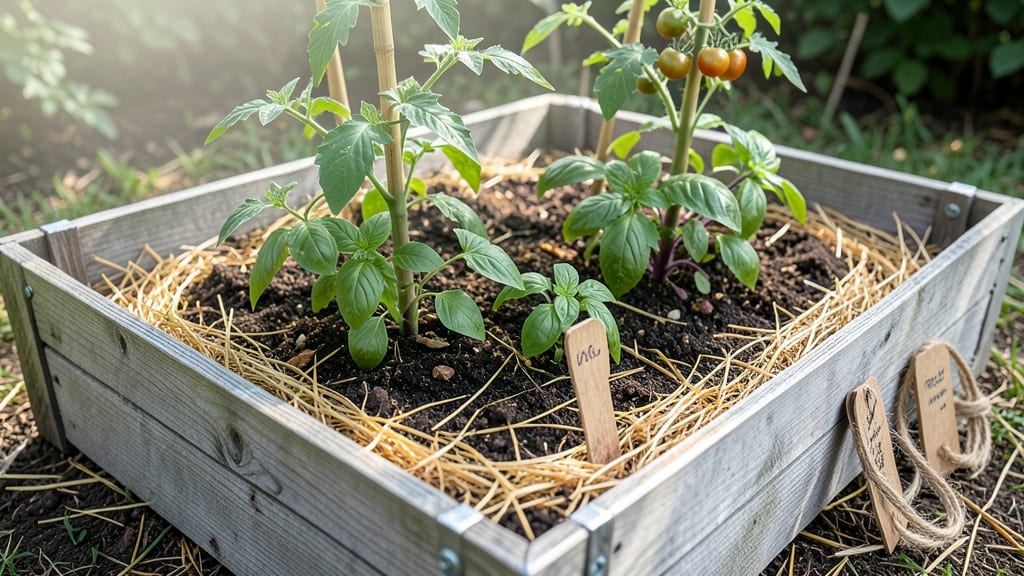
A companion garden layout turns your plot into a thriving ecosystem where plants support each other instead of competing.
Picture this: your tomatoes flourish while marigolds keep pests at bay, and basil repels flies—all while saving you time and money on pesticides. No more guessing which plants to pair or how to arrange them for the best results.
This isn’t just theory; it’s a proven system that works for small urban containers or sprawling backyard gardens. Whether you’re a beginner or a seasoned gardener, these 12 battle-tested pairings will show you exactly how to design a layout that deters pests, attracts pollinators, and maximizes your harvest.
Ready to ditch the chemical fixes? Here’s how to create a garden that works as hard as you do—with minimal effort and maximum rewards.
12 Best companion plant pairings for pest-free gardens
Strategic companion planting transforms your garden into a thriving ecosystem where plants support each other. The right neighbors can repel pests, improve flavor, and even increase yields—all while saving space. These science-backed pairings work together to create a self-sustaining garden that requires fewer interventions from you.
My favorite approach starts with the 'Three Sisters' trio—corn, beans, and squash—a Native American tradition that still works wonders today. The corn provides structure, beans fix nitrogen, and squash shades the soil to prevent weeds. This classic combo proves that traditional wisdom and modern science can align perfectly.
| Plant Pairing | Benefits | Pest Control | Spacing |
|---|---|---|---|
| Marigolds + Tomatoes | Repels nematodes, attracts pollinators | Nematodes, aphids | 12" apart |
| Basil + Tomatoes | Enhances flavor, deters flies | Whiteflies, mosquitoes | 6-8" apart |
| Carrots + Onions | Deters carrot flies, improves growth | Carrot rust flies | 6" apart |
| Corn + Beans + Squash | Nitrogen fixation, weed suppression | Squash bugs, corn earworms | 12-18" apart |
| Rosemary + Cabbage | Repels cabbage moths, improves soil | Cabbage worms | 18" apart |
| Lettuce + Strawberries | Shades roots, deters slugs | Slugs, snails | 8-10" apart |
| Peppers + Garlic | Repels spider mites, improves flavor | Spider mites, aphids | 12" apart |
| Nasturtiums + Cucumbers | Traps aphids, deters cucumber beetles | Aphids, beetles | 10-12" apart |
| Chives + Apples | Deters apple maggots, repels pests | Apple maggots, borers | 12-15" apart |
| Thyme + Cabbage | Repels cabbage pests, improves soil | Cabbage moths, flea beetles | 18" apart |
| Dill + Tomatoes | Attracts beneficial wasps, deters spider mites |
How to design a companion garden layout for maximum benefitsA well-designed companion garden layout isn't just about aesthetics—it's a strategic ecosystem where plants support each other's growth. Start by mapping your garden's sunlight exposure and soil quality. Most vegetables need 6+ hours of sun, while herbs like cilantro tolerate partial shade. Group plants by their water needs to avoid over- or under-watering. Use vertical gardening to maximize space and airflow, which reduces fungal diseases. Trellises for pole beans or cucumbers not only save space but also improve sunlight penetration to lower plants. For example, plant tomatoes near basil to repel pests while keeping the basil's roots shaded from intense afternoon sun. 🌱
5 Key Steps to a Thriving Companion Garden
Spacing is critical—crowded plants compete for nutrients and airflow, inviting diseases. Follow plant spacing guidelines: for example, carrots need 2-3 inches apart, while squash requires 3-4 feet. Place tall plants (like sunflowers) on the north side of shorter ones to avoid shading. Incorporate seasonal rotation to keep your garden balanced. In spring, prioritize cool-season crops (e.g., lettuce, peas) and transition to warm-season plants (e.g., peppers, eggplant) in summer. Use cover crops like clover in fall to enrich soil naturally. Don’t forget pollinator-friendly plants! Add flowers like alyssum or borage near your vegetables to attract bees and butterflies, which boost fruit and vegetable production. Place them along garden edges or in border plantings to create a welcoming pathway for pollinators. Finally, test your layout in small batches before committing to full planting. Adjust as needed—maybe that basil needs to move closer to the tomatoes, or the marigolds aren’t deterring enough pests. A companion garden layout evolves with your garden’s needs! 🌱 |