
Tools
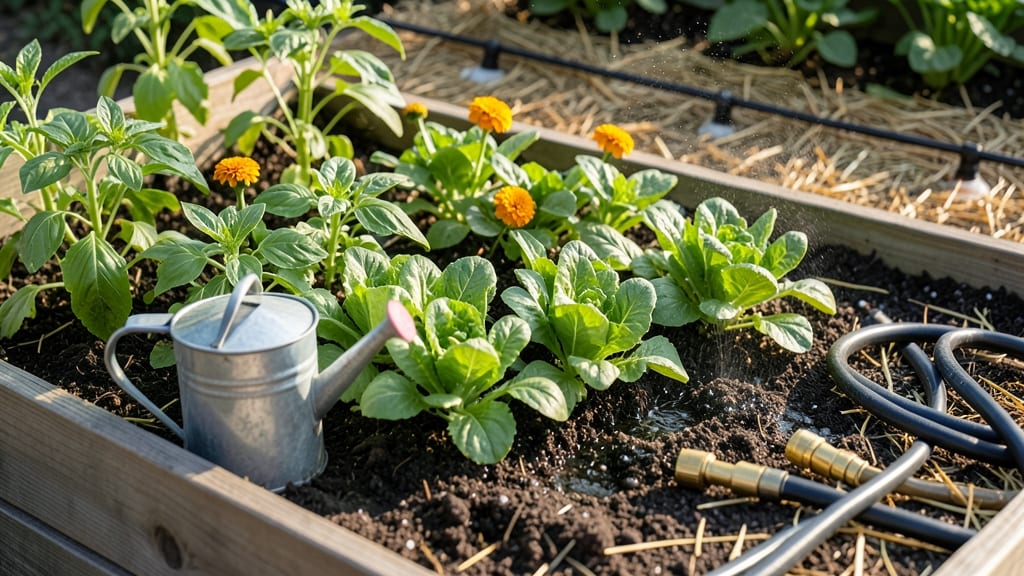
Mastering garden bed watering is the secret to lush, thriving plants without wasting a single drop.
Picture this: you’ve just spent hours planting your dream garden, only to watch it wilt because you’re either drowning it or leaving it parched. The truth is, watering efficiently isn’t just about timing—it’s about understanding your soil, your plants, and even the time of day.
Get it right, and you’ll see deeper roots, fewer pests, and plants that practically glow with health.
Most gardeners overcomplicate it, but the real key is consistency paired with smart techniques. Whether you’re dealing with sandy soil that drains too fast or clay that holds onto moisture like a sponge, the right approach makes all the difference.
And let’s be honest—no one wants to stand in the yard for hours with a hose.
In this guide, you’ll learn exactly when to water (morning vs. evening, and why it matters), how deep to go for maximum root growth, and which tools—like drip irrigation or soaker hoses—will save you time and water.
Plus, I’ll show you how to spot the subtle signs of over- or under-watering before it’s too late.
Best times to water garden beds for maximum plant health
Watering your garden bed at the right time isn’t just about keeping plants alive—it’s about maximizing growth and preventing disease. The best time to water is early morning, between 6 AM and 10 AM, when temperatures are cool and evaporation is low.
This gives roots time to absorb moisture before the heat of the day. Evening watering can create a damp environment that invites fungal diseases like powdery mildew, while midday watering leads to rapid evaporation and wasted water.
Soil type plays a huge role in watering timing. Sandy soil drains quickly, so you may need to water more frequently but in shorter sessions. Clay soil, on the other hand, holds moisture longer, allowing you to water deeply but less often.
Even organic-rich loam benefits from morning watering to balance retention and aeration. Understanding your soil’s texture will help you adjust your schedule to avoid over- or under-watering.
Seasonal adjustments are critical too. In summer’s heat, you might need to water twice daily—once in the morning and once in the late afternoon—but always avoid evening sessions. During winter dormancy, reduce watering to every 10-14 days unless you’re growing cold-hardy crops like kale or carrots. Spring and fall offer the most flexibility, with morning watering being ideal for most plants.
If you live in a hot, arid climate, like the Southwest U.S., morning watering is non-negotiable. The high evaporation rates mean water disappears faster, so aim for deep, infrequent watering to encourage roots to grow downward.
In contrast, cooler, coastal regions may benefit from slightly later morning sessions, as humidity slows evaporation. Always check your local USDA hardiness zone for tailored advice—Zone 7-10 gardens often need more frequent watering than Zone 3-5 areas.
For container gardens, morning watering is equally critical, but you’ll need to monitor soil moisture more closely. Containers dry out faster, so watering every 2-3 days in summer might be necessary. Use a moisture meter to check depth—aim for 1-2 inches of moisture per watering session.
If your containers are in full sun, you may need to water twice daily during heatwaves, but always prioritize morning sessions.
One common mistake is assuming all plants have the same watering needs. Leafy greens like lettuce and spinach need consistent moisture, while succulents and rosemary thrive on drought.
Even within the same bed, shallow-rooted plants (like basil) need frequent, light watering, while deep-rooted plants (like tomatoes) benefit from deep, infrequent soakings. Always group plants with similar needs together to simplify your watering schedule.
To make morning watering easier, invest in a drip irrigation system or soaker hose. These deliver water directly to the soil, reducing waste and ensuring even distribution. Set your system to run for 20-30 minutes daily in summer, adjusting for rainfall.
If you’re using a sprinkler, water early in the morning to minimize evaporation and fungal spores from splashing onto leaves. Pro tip: Water at the base of plants, not overhead, to keep foliage dry and healthy.
Seasonal transitions require extra attention. As you shift from summer to fall, reduce watering frequency by 25-30% to match cooler temperatures and reduced evaporation. In early spring, increase watering gradually as plants wake up from dormancy.
Always check soil moisture before watering—stick your finger 2 inches deep. If it’s dry, water; if it’s moist, wait. This simple test saves water and prevents overwatering.
Remember, the goal is consistency, not perfection. Even the best watering schedule
Watering techniques that save water while boosting root growth
Not all watering methods are created equal—some encourage shallow roots while others send plants searching desperately for moisture. The key to stronger root systems and water conservation lies in how, when, and where you water.
Deep watering, for example, trains roots to grow downward in search of moisture, while light misting only satisfies surface thirst. Let’s break down the most effective techniques to transform your garden bed into a thriving, drought-resistant ecosystem.
One of the biggest mistakes gardeners make is relying on sprinklers or overhead watering. These methods waste up to 50% of water through evaporation and runoff, while also promoting fungal diseases by keeping foliage damp. Instead, focus on targeted watering methods that deliver moisture directly to the roots.
This not only saves water but also ensures your plants develop the deep, resilient roots they need to withstand dry spells. Let’s compare the best approaches.
If you’re serious about saving water and boosting root growth, start with drip irrigation or soaker hoses. These systems deliver water slowly and directly to the soil, mimicking natural rainfall and encouraging roots to grow deeper.
For smaller gardens, a hand watering can with a long spout lets you target the base of plants precisely. The goal is to water deeply but infrequently—aim for 1-2 inches of water per session, allowing moisture to penetrate at least 6-12 inches into the soil.
Don’t overlook the power of mulch—it’s one of the simplest ways to retain moisture and protect your soil. Apply a 2-4 inch layer of organic mulch (like straw, wood chips, or shredded leaves) around your plants, keeping it a few inches away from the stem to prevent rot.
Mulch acts like a blanket, slowing evaporation and keeping roots cool. Over time, it also improves soil structure, making it easier for roots to penetrate deeper. Pair mulch with deep watering sessions, and you’ll see roots grow stronger and faster.
For container gardens or raised beds, adjust your watering frequency since they dry out faster than in-ground soil. Check moisture levels by sticking your finger 1-2 inches into the soil—if it feels dry, it’s time to water.
In hot climates, you may need to water daily in the morning, while cooler seasons might only require watering every 3-5 days. Always water in the early morning to minimize evaporation and fungal risks. Avoid evening watering, as damp foliage overnight invites diseases like powdery mildew.
Pro tip: Use a moisture meter or the screwdriver test to check soil moisture accurately. Insert a screwdriver into the soil—if it goes in easily, your soil is moist enough. If it meets resistance, it’s time to water.
This simple trick helps you avoid both overwatering and underwatering, ensuring your plants get just the right amount of moisture to thrive. With these techniques, you’ll not only save water but also cultivate a garden bed that’s resilient, healthy, and full of life.