
Size
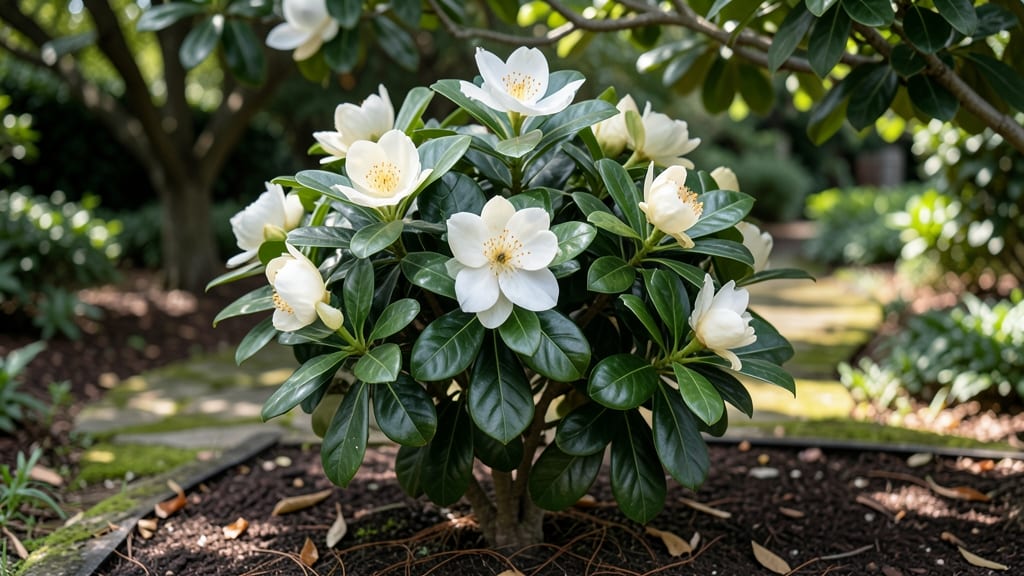
Struggling to fit a fragrant gardenia into your small yard? Compact gardenia varieties can thrive in tight spaces while still delivering stunning blooms and intoxicating scent—here’s what you need to know before planting.
Most gardenias grow to 4-6 feet, but dwarf varieties like 'Kleim’s Hardy' and 'Radicans' top out at just 2-3 feet, making them perfect for patios, balconies, or small garden beds.
Below, I’ll break down the best compact varieties, pruning tips to keep them small, and how to maximize blooms in limited space—so you can enjoy their signature fragrance without sacrificing yard real estate.

How tall do compact gardenia shrubs grow under 3 feet?
If you love the intoxicating fragrance and glossy foliage of gardenias but have limited space, you’ll be thrilled to know that compact varieties can thrive in small yards, containers, and even patio gardens.
These dwarf gardenias maintain heights under 3 feet while still producing abundant blooms. Understanding their mature sizes and growth patterns will help you choose the perfect variety for your space and care needs.
Compact gardenias are ideal for gardeners with small yards, balconies, or containers. Their controlled growth makes them perfect for creating fragrant focal points without overwhelming your landscape. The key to keeping them compact lies in selecting the right variety and providing proper care, including pruning and soil management.
Let’s explore the most popular dwarf gardenia varieties and their growth characteristics.
The 'Kleim’s Hardy' gardenia is one of the most popular compact varieties, reaching 2–3 feet tall and wide. This cold-hardy variety (USDA zones 6–9) is perfect for gardeners in cooler climates who want a fragrant, low-maintenance shrub.
It grows at a moderate pace, adding about 12–18 inches per year, making it ideal for containers or small garden beds.
For even smaller spaces, the 'Radicans' variety tops out at just 1–2 feet, making it perfect for window boxes, hanging baskets, or as a border plant. Its slow growth rate (only 6–12 inches per year) means you won’t need to prune it often to maintain its compact form.
This variety is also highly fragrant, producing creamy white blooms that attract pollinators.
If you’re in a warmer climate, consider 'Fortuniana', which can reach up to 3 feet tall but often stays smaller with proper pruning. This variety is known for its glossy, dark green leaves and abundant blooms, making it a standout in tropical or subtropical gardens.
Its moderate growth rate means it can fill out a small space quickly but remains manageable.
Seasonal growth patterns play a big role in how compact your gardenia stays. During spring and summer, these shrubs experience their fastest growth, often adding several inches in height and spread.
In fall and winter, growth slows significantly, and some varieties may even drop leaves in colder climates. Understanding this cycle helps you time your pruning and fertilizing for optimal results.
To keep your compact gardenia from outgrowing its space, I recommend light pruning in early spring. Remove any dead or overcrowded branches, and trim back any leggy growth to encourage a bushier shape.
Avoid heavy pruning in late summer, as this can stimulate new growth that won’t have time to harden off before winter. Regular pruning also promotes better airflow, reducing the risk of fungal diseases like powdery mildew.
When planting compact gardenias, choose a location with partial shade, especially in hotter climates, to prevent leaf scorch. These shrubs thrive in well-draining, acidic soil, so amend your garden bed with peat moss or compost.
If growing in containers, select pots with drainage holes and use a high-quality potting mix designed for acid-loving plants. Container gardenias may need more frequent watering, as they dry out faster than those planted in the ground.
One common mistake gardeners make is assuming that all compact gardenias stay small without intervention. While these varieties are naturally smaller, poor pruning practices or over-fertilizing, can cause them to grow taller and leggier than expected. Stick to a balanced fertilizer, like a 10-10-10 NPK blend, and apply it sparingly—only during the active growing season*. Over-fertilizing can lead to excessive foliage growth at the expense of blooms.
Best small-space gardenia varieties for containers and beds
If you love the sweet fragrance and glossy blooms of gardenias but have limited space, you’re in luck! Compact varieties like 'Radicans Compacta' and 'Veitchii' thrive in containers or small garden beds while still delivering abundant flowers.
These dwarf gardenias stay under 3 feet tall, making them perfect for patios, balconies, or even sunny windowsills.
Choosing the right variety ensures your gardenia stays manageable while still producing show-stopping blooms. Below, I’ve highlighted the top 5 compact gardenia cultivars, including their mature sizes, care needs, and best growing conditions for small spaces.
Whether you’re a beginner or a seasoned gardener, these picks will help you enjoy gardenias without sacrificing space.
- Space-saving: Mature heights under 3 feet fit containers or small beds.
- Fragrant blooms: Produce intense, sweet-scented flowers year after year.
- Low maintenance: Thrives with minimal pruning and moderate watering.
- Versatile planting: Grows well in containers, hanging baskets, or garden beds.
- Acidic soil needs: Requires pH 5.0-6.5; amend soil if needed.
- Partial shade: Needs morning sun + afternoon shade to prevent leaf scorch.
- Slow growth: Takes 2-3 years to reach mature size.
- Sensitive to frost: Protect from temperatures below 20°F in winter.
Let’s start with 'Radicans Compacta', a standout for containers. This variety stays under 2 feet tall and spreads just 1.5 feet wide, making it ideal for balcony planters or small garden beds.
Its dark green leaves and creamy white blooms add elegance to any space. To keep it compact, prune lightly after flowering to encourage bushier growth.
For a hardy option, try 'Veitchii', which matures at 2-3 feet tall and 2 feet wide. This variety is more frost-tolerant than others, making it great for USDA Zones 7-10.
Plant it in well-draining, acidic soil and place it where it gets dappled sunlight to prevent leaf burn. Regular mulching helps retain moisture and keeps roots cool.
If you want extra-large blooms in a small package, 'Prosperity' is a fantastic choice. This dwarf gardenia reaches 2.5 feet tall and 2 feet wide, producing 4-inch flowers that perfume the air.
To maximize blooms, feed it with an acidic fertilizer every 6 weeks during spring and summer. Deadhead spent blooms to encourage more flowers.
For a trailing option, consider 'Kleim’s Hardy', which grows 2-3 feet tall but spreads 3 feet wide, making it perfect for hanging baskets or spiller containers. This variety is drought-tolerant once established, so it’s great for low-maintenance gardens.
Water deeply but infrequently to prevent root rot, and place it where it gets morning sun.
Finally, 'Fortuniana' is a semi-dwarf option that tops out at 3 feet tall and 2.5 feet wide. Its double blooms and strong fragrance make it a showstopper. To keep it compact, prune in late winter to shape the shrub and remove any overly leggy stems.
This variety also benefits from regular pinching to encourage denser growth.