
Size
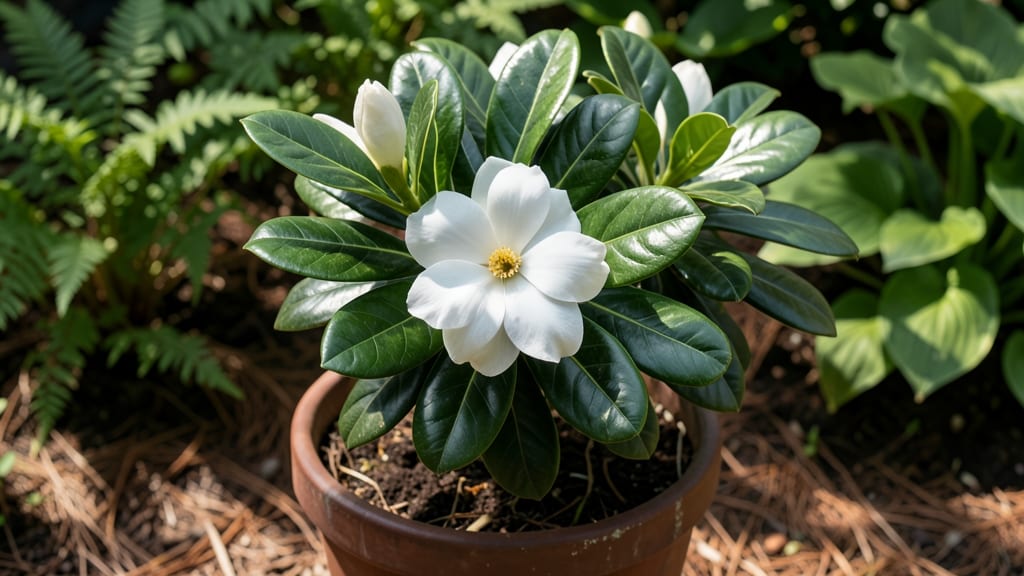
Gardenias grow to a mature height of 4 to 6 feet with a spread of 3 to 5 feet, making them a statement shrub in any garden.
If you’ve ever dreamed of a fragrant garden filled with glossy, dark green leaves and intoxicating white blossoms, gardenias could be your perfect plant—but first, you need to know their growth habits to plan your space wisely.
These shrubs thrive in partial shade and acidic soil, but their size can vary depending on the variety. Some, like the dwarf gardenia, stay under 3 feet tall, while others reach towering heights of up to 10 feet.
In this guide, I’ll break down how to prune for a compact shape, the best varieties for small spaces, and how to keep your gardenia blooming beautifully year after year.

Gardenia size by variety: how tall and wide they grow naturally
If you love the idea of fragrant gardenias but worry about them outgrowing your space, don’t fret—these beauties come in all sizes! The mature height and spread of gardenias vary dramatically by variety, from petite shrubs perfect for containers to towering specimens that need room to stretch.
Understanding these differences helps you choose the right type for your garden layout, whether you’re planning a backyard border or a patio centerpiece. Let’s explore how big gardenias grow naturally and what to expect from each type.
Most gardenias fall into the medium-sized shrub category, typically reaching 4 to 6 feet tall at maturity, with a spread of 3 to 5 feet wide. However, some varieties stay dwarf-like, while others can grow taller than expected if unpruned.
The key to managing their size lies in selecting the right variety for your space and providing proper pruning and care. For example, G. jasminoides, the classic gardenia, often tops out at 6 feet tall but can be kept smaller with regular maintenance.
Here’s a quick look at how different gardenia varieties compare in terms of size. This will help you visualize which one fits your garden’s scale:
The G. jasminoides, often called the classic gardenia, is the most popular choice for home gardens. It grows to a mature height of 4–6 feet and spreads 3–5 feet wide, making it ideal for foundation plantings or privacy hedges.
Its glossy leaves and fragrant white blooms add a touch of elegance to any landscape. If you’re working with limited space, opt for the ‘Veitchii’ cultivar, which stays compact at just 2–3 feet tall and wide, perfect for containers or small gardens.
For those in cooler climates, G. radicans varieties like ‘Kleim’s Hardy’ are excellent choices. These gardenias grow 3–5 feet tall and 3–4 feet wide, with a bushier habit that tolerates colder temperatures better than other types.
They’re also great for slope stabilization or eroded areas due to their spreading growth pattern. If you’re looking for a dwarf option, the trailing G. radicans can cascade beautifully in hanging baskets or window boxes, reaching only 1–3 feet tall.
One variety that often surprises gardeners is the G. augusta, also known as Cape Jasmine. This tropical beauty can grow tall—up to 10 feet—and wide, with a spread of 4–6 feet. It’s best suited for large gardens or as a specimen plant where it can truly shine.
If you’re planting near a fence or wall, this variety will thrive and even provide a fragrant backdrop for outdoor seating areas. Just be prepared for its rapid growth and need for regular pruning to control its size.
When planning your gardenia’s placement, consider not just its mature height but also its growth habit. Upright varieties like G. jasminoides grow vertically, while trailing types like G. radicans spread outward. This difference affects how you’ll space multiple plants or pair them with other shrubs.
For example, planting a 3-foot-tall gardenia next to a 6-foot-tall hydrangea creates a layered look, while grouping dwarf varieties together adds texture to a small garden.
To keep your gardenia at its ideal size, prune it annually in late winter or early spring before new growth begins.
Pruning techniques to control gardenia growth and shape
Gardenias naturally grow into lush, medium-sized shrubs with glossy foliage and heavily fragrant blooms. Without pruning, they can reach 4–6 feet tall and spread 3–5 feet wide, which may overwhelm smaller gardens.
The key to keeping them compact and bushy is strategic pruning—done at the right time with the right tools. This not only controls their size but also boosts flower production and improves air circulation to prevent disease. Let’s dive into the best methods to shape your gardenias like a pro.
Timing is everything when pruning gardenias. The ideal window is late winter or early spring, just as new growth begins but before buds swell. This encourages vigorous, healthy growth throughout the season.
Avoid pruning in fall or winter, as it can stimulate tender new growth that may not survive frost. If you must prune for safety (e.g., after a storm), do so lightly and only when necessary to avoid stressing the plant.
For best results, plan your pruning session on a dry, overcast day to minimize shock.
Before you begin, gather the right pruning tools.
You’ll need: - Sharp bypass pruners (for clean cuts on smaller stems) - Sterilized pruning shears (to prevent disease spread) - Garden gloves (to protect from sap and thorns) - Rubbing alcohol (to sterilize tools between cuts) Avoid dull tools—they crush stems and invite infections.
Sterilizing your tools between cuts is especially critical, as gardenias are prone to bacterial blight if wounds aren’t clean.
Step-by-Step Pruning Guide for Gardenias
- 1 Remove dead or diseased branches first—cut them back to healthy tissue at a 45-degree angle. This improves airflow and prevents rot.
- 2 Thin out crowded stems to open the plant’s center. Aim to remove 1/3 of the oldest growth to encourage new, vigorous shoots.
- 3 Shape the shrub by trimming outer branches to maintain your desired height and width. Use hand pruners for precision cuts just above a leaf node.
- 4 Encourage bushiness by cutting back overly long stems to half their length. This stimulates branching and more blooms.
- 5 Clean up by removing all pruned debris from the base of the plant. Dispose of diseased branches in the trash, not your compost pile.
One of the most common mistakes gardeners make is over-pruning gardenias, especially in their first few years. Young plants are still establishing their root systems, and aggressive pruning can stunt growth or reduce flowering.
Limit pruning to light shaping for the first 2–3 years, focusing on removing only dead or crossing branches. Another pitfall is pruning too late in the season, which can leave the plant vulnerable to frost damage or encourage tender growth that won’t harden off before winter.
To maximize blooms, time your pruning to follow the flowering season. Gardenias typically bloom in late spring to summer, so prune immediately after flowers fade. This gives the plant time to set next year’s buds before winter dormancy.
For container-grown gardenias, prune after repotting in early spring to avoid disturbing roots twice in one season. Always use sterile tools and make cuts just above a leaf node to encourage healthy regrowth.
With the right pruning techniques, you can keep your gardenias compact, healthy, and bursting with fragrance—whether in a small patio container or a sprawling garden bed.
The secret lies in patience and precision: a little effort now means years of lush, blooming shrubs with minimal upkeep. Happy pruning! 🌿✂️🌸