
How To
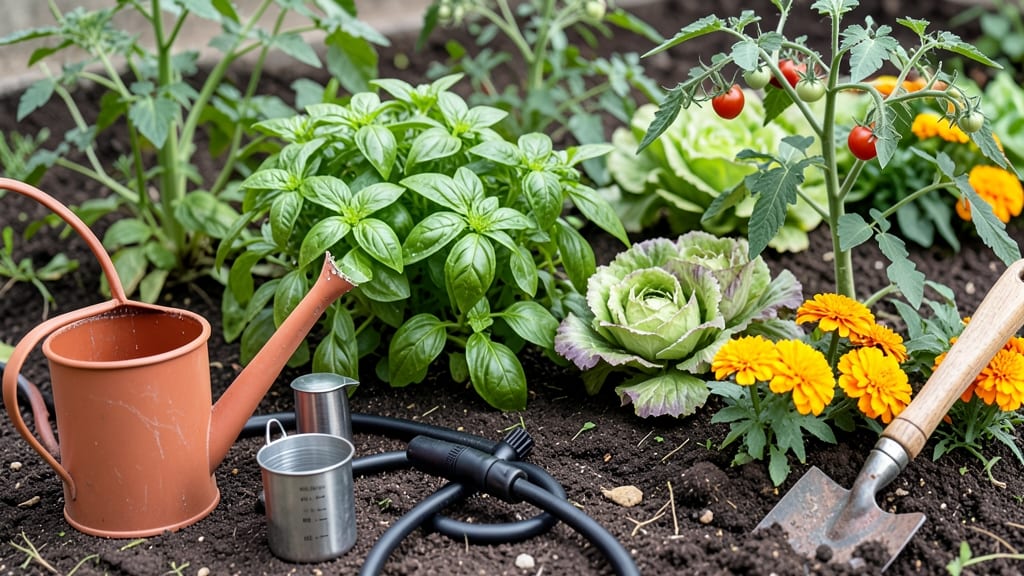
To water garden plants correctly, follow a schedule based on their needs and your climate—most thrive with 1-2 inches of water per week, but timing and depth matter just as much as frequency.
Struggling to keep your garden thriving? Overwatering or underwatering can silently kill your plants—yet most gardeners guess rather than follow science-backed schedules.
That’s why I’ve broken down the exact watering routine your 🌱 General Garden Plants need, from leafy greens to flowering shrubs, so you can stop playing roulette with your soil.
Think about it: too little water and your plants wilt; too much, and you drown the roots. The key is matching your watering to your soil type—sandy soil drains fast, while clay holds moisture like a sponge.
I’ll show you how to adjust your routine for Zone 6a conditions, plus signs your plants are thirsty (or drowning) so you can fix it before it’s too late.
Ready to master the art of watering? You’ll learn plant-specific schedules, how to test soil moisture like a pro, and when to cut back in summer heat or winter chill—so your garden stays lush, not limp.
Watering frequency by plant type: a science-backed schedule
Watering your garden isn't a one-size-fits-all task—each plant type has unique root depth and moisture needs. My science-backed schedule simplifies the process by categorizing plants into groups with similar watering requirements.
From leafy greens that need frequent hydration to drought-tolerant succulents that thrive on neglect, understanding these differences prevents both overwatering and underwatering.
Soil type plays a critical role too: sandy soil drains quickly, requiring more frequent watering, while clay soil holds moisture longer. Pair that with climate zone factors—like high humidity or scorching sun—and you’ve got a recipe for plant success.
Let’s break down the watering intervals for common garden plants, so you can tailor your routine like a pro.
| Plant Type | Water Frequency (Sandy Soil) | Water Frequency (Clay Soil) | Root Depth | Notes |
|---|---|---|---|---|
| Leafy Greens (Lettuce, Spinach) | Every 1-2 days | Every 3-4 days | 6-12 inches | Keep soil moist; avoid soggy roots |
| Herbs (Basil, Cilantro) | Every 2-3 days | Every 4-5 days | 4-8 inches | Morning watering prevents fungal growth |
| Flowers (Marigolds, Petunias) | Every 2-3 days | Every 4-6 days | 6-12 inches | Deep watering encourages root growth |
| Vegetables (Tomatoes, Peppers) | Every 2-3 days | Every 4-5 days | 12-18 inches | Mulch retains moisture; water at base |
| Shrubs (Roses, Hydrangeas) | Every 3-4 days | Every 5-7 days | 18-24 inches | Established shrubs need less frequent watering |
| Succulents (Aloe, Jade) | Every 7-10 days | Every 10-14 days | Deep but sparse roots | Overwatering is the #1 killer; let soil dry completely |
| Trees (Young Fruit Trees) | Every 5-7 days | Every 7-10 days | 24+ inches | Deep watering 1-2x per week for first 2 years |
For vegetables like tomatoes and peppers, deep watering every 2-3 days keeps roots hydrated without drowning them. These plants have deep root systems (12-18 inches), so shallow watering encourages shallow roots—making them more vulnerable to drought.
I always water at the base of the plant in the morning to reduce evaporation and fungal risks.
Herbs like basil and cilantro need consistent moisture but can’t handle soggy soil. Their shallow roots (4-8 inches) dry out faster, so I water every 2-3 days in sandy soil. In clay soil, I stretch it to every 4-5 days because clay retains moisture longer.
Pro tip: Morning watering prevents fungal diseases like powdery mildew, which thrives in damp leaves overnight.
Flowers such as marigolds and petunias also prefer even moisture, but they’re more forgiving than vegetables. Their root depth (6-12 inches) means they benefit from deep watering every 2-3 days in sandy soil.
In clay-heavy soil, I reduce frequency to every 4-6 days. Always check the top inch of soil—if it’s dry, it’s time to water.
Succulents and cacti are the low-maintenance champions of the garden. Their thick, water-storing leaves and deep but sparse roots mean they thrive on neglect. In sandy soil, I water every 7-10 days, while clay soil can go 10-14 days without water.
The key? Let the soil dry completely between waterings—overwatering is their silent killer.
Established shrubs like roses and hydrangeas have deep roots (18-24 inches) and need less frequent watering
How to adjust watering for soil type and weather conditions
Your garden’s watering needs aren’t one-size-fits-all. The same tomatoes or lavender might thrive with daily watering in sandy soil but need only bi-weekly care in clay soil. Weather plays a role too—summer heat demands more frequent watering, while cool springs can stretch your schedule.
Let’s break down how to fine-tune your routine for soil type and weather shifts so your plants get just the right amount.
First, understand your soil’s moisture-holding capacity. Sandy soil drains quickly, requiring frequent, shallow watering (like every 2-3 days), while clay soil stays soggy longer, needing deep, less frequent watering (every 7-10 days). Loamy soil, the happy medium, balances moisture well, ideal for most gardens.
Grab a handful—if it crumbles easily, it’s sandy; if it forms a tight ball, it’s clay.
⚠️ WARNING: Overwatering is the #1 killer of garden plants—even worse than underwatering! Most gardeners water too often, leading to root rot and fungal diseases. Instead of sticking to a rigid schedule, check soil moisture 2 inches deep before watering.
Use your finger or a moisture meter—if it’s damp, wait. For containers, lift the pot: if it’s light, water; if heavy, skip it. Mulch (2-3 inches of straw or wood chips) locks in moisture and cuts watering needs by 30-50%.
Always water deeply (6 inches down) to encourage strong roots, rather than light surface watering that evaporates fast.
Weather changes everything. In summer’s peak heat (90°F+), most plants need daily watering—especially vegetables like peppers or cucumbers. But in humid climates, water in the early morning to prevent fungal spores from thriving.
During spring rains, reduce watering by 50% and monitor for puddling. In winter dormancy, cut back to monthly watering unless you’re in a mild climate like Zone 8-10.
Rainfall is your wild card. Before watering, measure recent rainfall with a rain gauge (or a tuna can buried in the soil). Aim for 1 inch of water per week total—from both rain and irrigation.
For example, if you get 0.5 inches of rain, add 0.5 inches from your hose. Use a soaker hose or drip irrigation to deliver water slowly at the roots, reducing waste by up to 40% compared to sprinklers.
Seasonal shifts demand adjustments too. Newly planted seedlings need daily watering for the first 2 weeks to establish roots, while mature perennials like roses or hostas can go 10-14 days without water in loamy soil.
In drought-prone areas, group plants with similar needs (e.g., succulents with lavender) and water deeply every 10-14 days to train roots to seek moisture below the surface.
Pro tip: Keep a gardening journal to track what works. Note your soil type, plant types, weather patterns, and watering schedule. Over time, you’ll spot trends—like how your zucchini wilts in 95°F heat unless watered twice daily.
Adjust as you go, and your garden will reward you with healthier plants and bigger yields—without the guesswork. 🌱