
How To
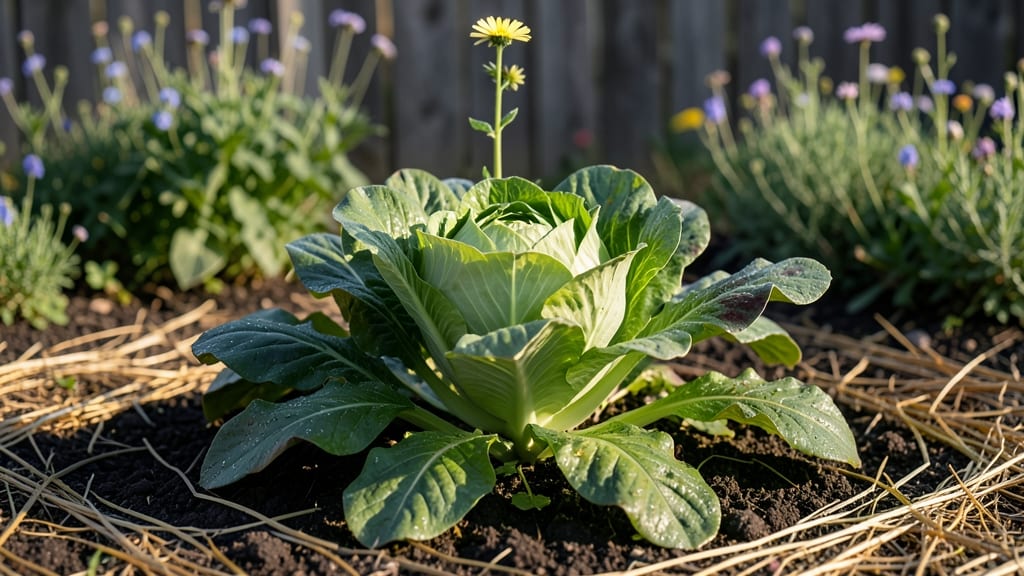
Growing a lettuce garden from seed to harvest is simpler than you might think 🥬, and following a 10-week timeline ensures you avoid common mistakes like bolting or pests while maximizing your yield.
Picture this: you’re biting into crisp, homegrown lettuce picked fresh from your garden—no pesticides, no store delays, just pure flavor. The key is starting with the right soil, spacing, and watering routine, and I’ve got you covered with a foolproof plan.
Whether you’re working with a backyard plot, containers, or a community garden, lettuce thrives in partial shade and cool weather, making it perfect for spring and fall planting in USDA Zone 6a.
In this guide, you’ll learn exactly when to plant, how to protect your crop from heat and pests, and the best varieties for fast, reliable harvests—so you can enjoy fresh greens all season long.

Week-by-week lettuce garden timeline: from seed to harvest
Growing lettuce from seed is one of the most satisfying gardening experiences—especially when you follow a precise timeline. Lettuce thrives with consistent care, and by breaking the process into weekly stages, you’ll avoid common pitfalls like bolting or pest infestations.
Whether you’re a beginner or seasoned gardener, this structured approach ensures a steady harvest of crisp, flavorful leaves.
Timing is everything with lettuce. Spring and fall are ideal planting windows, but with the right varieties, you can grow lettuce year-round in cooler climates. The key is understanding each growth phase—from soil prep to harvest—and when to take action.
Let’s dive into the 10-week timeline that will transform your garden into a leafy green paradise.
📅 Week 1-2: Soil Preparation & Seed Starting Test your soil’s pH (aim for 6.0-7.0) and amend with compost. Lettuce prefers loose, well-draining soil rich in organic matter. If starting indoors, sow seeds ¼-inch deep in seed trays. Keep them in a warm spot (65-75°F) until germination, which takes 5-10 days.
📅 Week 3-4: Germination & Early Growth Once seedlings emerge, move them to a cool, sunny spot (60-65°F). Thin seedlings to 2 inches apart to prevent overcrowding. Water gently at the soil base to avoid disturbing tender roots. Watch for damping off (a fungal disease) and improve airflow if needed.
| Stage | Action | Notes |
|---|---|---|
| Week 1-2 | Soil Prep & Seed Starting | Test pH, add compost, sow seeds ¼-inch deep |
| Week 3-4 | Germination & Thinning | Thin to 2 inches apart, water at base |
| Week 5-6 | Transplanting & Fertilizing | Hardening off, transplant 12 inches apart, add balanced fertilizer |
| Week 7-8 | Pest Control & Mulching | Monitor for pests, mulch to retain moisture |
| Week 9-10 | Harvesting & Succession Planting | Harvest outer leaves, replant for continuous yield |
📅 Week 5-6: Transplanting & Fertilizing Hardened-off seedlings are ready for the garden. Transplant them 12-18 inches apart in rows spaced 18 inches apart. Apply a balanced fertilizer (10-10-10) lightly to encourage leafy growth. Avoid over-fertilizing, as this can trigger bolting. Keep the soil consistently moist but never soggy.
📅 Week 7-8: Pest Control & Mulching Lettuce attracts pests like aphids and slugs. Use row covers or neem oil to deter insects. Apply 2-3 inches of mulch (straw or shredded leaves) to retain moisture and suppress weeds. This is also the time to check for bolting signs—long stems or bitter-tasting leaves—and provide afternoon shade if temperatures rise above 75°F.
📅 Week 9-10: Harvesting & Succession Planting Your lettuce is ready to harvest when leaves reach 4-6 inches or the head is firm. Cut outer leaves for cut-and-come-again harvests or pull the whole plant. For continuous harvests, sow new seeds every 2-3 weeks in spring or fall. Store harvested lettuce in the fridge for up to 1 week.
By following this week-by-week timeline, you’ll enjoy a bountiful lettuce harvest with minimal stress. The secret? Stay consistent with watering, monitor for pests, and choose the right varieties for your climate. Soon, you’ll be the proud gardener serving homegrown salads straight from your backyard! 🥬
Best lettuce varieties for fast growth and heat tolerance
If you've ever struggled with lettuce bolting in summer heat or slow growth, you're not alone. The key to a thriving lettuce garden lies in selecting the right heat-tolerant varieties that resist bolting while delivering fast harvests.
My favorite choices balance speed, flavor, and adaptability to both cool springs and warm falls.
For year-round harvests, I focus on varieties that thrive in 60-75°F temperatures but won't bolt when daytime highs reach 80°F. These include Romaine (great for warm seasons), Buttercrunch (sweet and slow to bolt), and Oakleaf (loose-leaf perfection for containers).
Each offers unique advantages depending on your climate and growing conditions.
Here's how these top varieties compare for fast growth and heat tolerance, along with ideal planting windows to maximize your harvest:
For succession planting, I recommend starting with Oakleaf or looseleaf varieties every 2-3 weeks from spring through fall. These fast growers give you continuous harvests without waiting for full heads. In hot climates, use shade cloth (30-50%) to extend the season by 2-3 weeks.
Pro tip: Pair Romaine with radishes in your garden beds—the radishes mature quickly and mark where you can replant lettuce. This interplanting trick maximizes space and keeps your garden productive all season long.
Remember, cool-season varieties like Buttercrunch still need protection when nights dip below 40°F. Use row covers or plant near warmth-retaining structures like fences or greenhouses to safeguard tender leaves.
With these heat-resistant varieties and smart planting strategies, you'll enjoy crisp, homegrown lettuce from early spring through late fall—no bolting in sight! 🥬