
Companion Plants
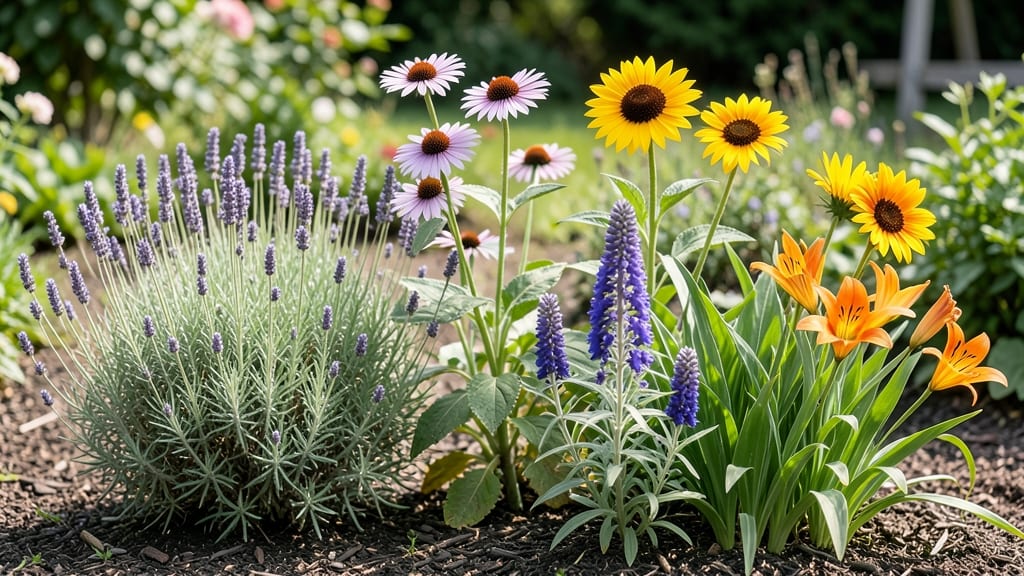
Growing popular garden plants like sunflowers, lavender, and tomatoes can turn your yard into a thriving, low-maintenance paradise that hums with life all year.
Imagine stepping into a garden where bees buzz lazily between blooms, butterflies flutter past vibrant petals, and every season brings fresh colors and textures. That’s the magic of the right plants—ones that are easy to grow, adaptable to your climate, and packed with benefits beyond just beauty.
Whether you’re dreaming of a cottage-style border bursting with roses and peonies or a modern edible landscape with herbs and heirbs, these top garden picks deliver year-round interest with minimal fuss. They thrive in containers, borders, or as focal points, making them perfect for any space.
Below, I’ll share my favorite 10-15 standout plants, their secret design roles, and how to mix them for a garden that’s always in bloom—plus, where to go next for deeper growing tips.
Top 10 year-round colorful plants for every climate zone
Creating a garden that stays vibrant all year requires selecting hardy plants that thrive across different USDA zones. Whether you're in a hot desert climate or a cold northern region, these low-maintenance plants will deliver continuous blooms and lush foliage.
I’ve curated a list of perennials, annuals, and shrubs that bring color, texture, and life to your outdoor space without demanding constant attention.
One of my favorite year-round performers is lavender, which thrives in zones 5-9 and loves full sun. Its fragrant blooms attract bees and butterflies, while its silvery foliage adds texture. Pair it with coneflowers for a drought-tolerant combination that blooms from summer to fall.
For cooler climates, pansies and violas provide early spring and late fall color, even in zones as cold as 3.
Here’s a quick overview of the top 10 plants that will keep your garden buzzing with color and life, no matter the season or climate:
| Plant Name | USDA Zones | Sun Needs | Water Needs | Seasonal Interest |
|---|---|---|---|---|
| Lavender | 5-9 | Full Sun | Drought-Tolerant | Spring-Fall |
| Coneflowers | 3-9 | Full Sun-Part Sun | Moderate | Summer-Fall |
| Pansies | 3-11 | Part Sun-Shade | Moderate | Spring-Fall |
| Boxwoods | 4-9 | Part Sun-Shade | Low | Year-Round |
| Russian Sage | 4-9 | Full Sun | Drought-Tolerant | Summer-Fall |
| Heuchera (Coral Bells) | 3-9 | Part Sun-Shade | Moderate | Year-Round (foliage) |
| Salvia | 5-10 | Full Sun | Moderate | Spring-Fall |
| Dwarf Lilacs | 3-7 | Full Sun-Part Sun | Moderate | Spring |
| Ornamental Grasses | 4-10 | Full Sun-Part Sun | Low-Moderate | Year-Round |
| Winter Jasmine | 5-9 | Full Sun | Moderate | Winter-Spring |
For hot, dry climates like zones 7-10, Russian sage and salvia are my go-to choices. They thrive with minimal water and produce vibrant purple and blue blooms that attract hummingbirds. In cooler zones 3-5, dwarf lilacs and boxwoods provide early spring color and evergreen structure.
Meanwhile, ornamental grasses add movement and texture to any garden, offering year-round interest with their seed heads in winter.
If you’re looking for shade-tolerant plants, heuchera and pansies are excellent options. Heuchera’s colorful foliage shines even in low light, while pansies bloom prolifically in partial shade. For container gardens, smaller varieties like d
Best pollinator-friendly plants to boost your garden’s biodiversity
Creating a thriving ecosystem in your garden starts with choosing pollinator-friendly plants that attract bees, butterflies, and hummingbirds. These plants not only add beauty but also support local wildlife and improve biodiversity. The key is selecting native species and plants with long flowering seasons to provide continuous food sources.
When designing your garden layout, group plants by their blooming seasons to ensure year-round interest. For example, early spring bloomers like crocus can transition into summer favorites like bee balm, followed by fall asters. Avoid using chemical pesticides as they harm pollinators—opt for natural pest control instead.
- Milkweed (Asclepias spp.): Essential for monarch butterflies, blooms mid-to-late summer. Sunlight needs: full sun.
- Bee Balm (Monarda spp.): Attracts hummingbirds and bees with vibrant red/pink flowers. Blooms June-September.
- Sunflowers (Helianthus annuus): Giant blooms feed bees and birds. Plant in spring for summer blooms.
- Coneflowers (Echinacea spp.): Drought-tolerant perennials with purple blooms. Attracts butterflies year-round.
- Lavender (Lavandula spp.): Fragrant blooms loved by bees. Full sun required for best growth.
- Goldenrod (Solidago spp.): Late-summer bloomer supporting 100+ bee species.
- Black-Eyed Susan (Rudbeckia spp.): Bright yellow flowers bloom July-October.
- Salvia (Salvia spp.): Drought-resistant with tubular flowers for hummingbirds. Plant in clusters.
To maximize pollinator activity, create a layered planting design with varying heights and bloom times. Start with tall plants like sunflowers at the back, mid-height perennials like bee balm in the middle, and low-growing annuals such as cosmos in the front.
This arrangement mimics natural ecosystems and provides shelter and food at multiple levels.
Native plants are the best choice because they’ve evolved alongside local pollinators, offering the most nutritional benefits. For example, milkweed is the only host plant for monarch butterfly caterpillars, while bee balm produces nectar-rich flowers that sustain bee colonies.
Always check your USDA hardiness zone to select plants that thrive in your climate.
Water is another critical factor—pollinators need access to clean water. Install a shallow birdbath with pebbles or a small pond to provide drinking spots. Avoid stagnant water to prevent mosquito breeding. Native grasses and wildflowers can also be incorporated to create a more natural, low-maintenance habitat.
By integrating these pollinator-friendly plants into your garden, you’ll create a haven for wildlife while enjoying stunning blooms. Start small with just a few species and expand over time—your garden will become a buzzing, beautiful ecosystem in no time! 🌻🐝🦋